
New to Canada?
If you’re new to Canada, don’t miss our Newcomers to Canada: The Ultimate Guide. It covers everything you need to know about settling in Canada, including housing, employment, healthcare, banking, education, government benefits, and much more.
Hello, fellow Canadians! Whether you’ve recently landed in Manitoba or you’ve called this province home for years, one thing is for sure—a Manitoba Health Card is your golden ticket to accessing the health services you need. From routine check-ups to emergency care, this card ensures you’re covered under Manitoba’s universal healthcare plan.
This guide is here to take you step-by-step through the process. We’ll dig into eligibility, services covered, the application process, and even some handy tips to make your experience as smooth as possible. Grab a cup of coffee, and let’s dive in!
What Is a Manitoba Health Card and Why Is It Important?
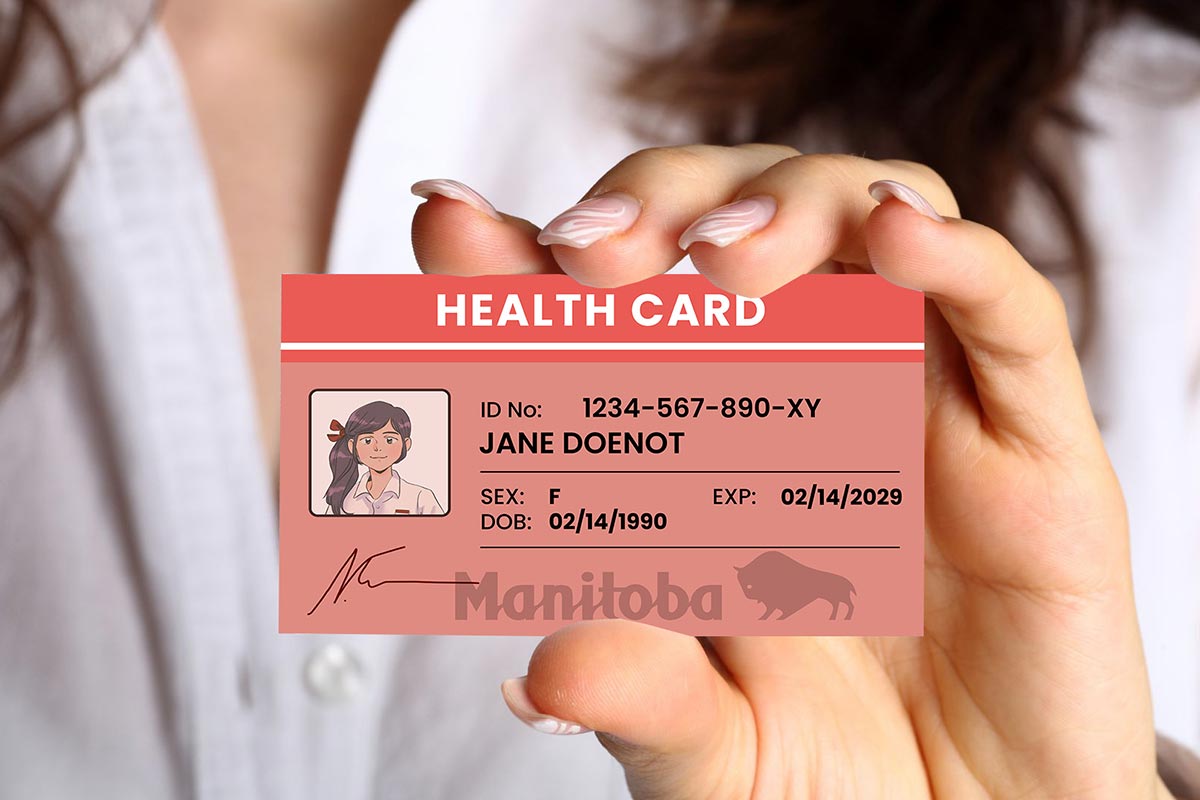
Let’s start at square one: what exactly is a Manitoba Health Card? Think of it as your access pass to the province’s healthcare system. If you’re eligible, this card ensures you can receive medical care without facing sky-high bills.
What is Manitoba Health Services Insurance Plan or MHSIP
The Manitoba Health Services Insurance Plan (MHSIP) is the provincial health insurance program that provides medically necessary coverage for eligible residents of Manitoba. It covers services such as physician visits, hospital care, diagnostic procedures, and specific other health services like optometry and chiropractic care. The plan ensures that essential healthcare is accessible to residents without direct costs at the time of service.
Why You Need a Manitoba Health Card
The health card is essential for:
- Accessing Health Services: Most medically necessary services, such as hospital visits, doctor appointments, and diagnostic tests, are covered.
- Peace of Mind: Life can throw unexpected health challenges your way. Having a health card means you’re prepared for these moments.
- Identification: Your health card also acts as a secondary form of ID in certain cases.
Simply put, not having a Manitoba Health Card is like heading out into a snowstorm without a jacket—possible, but not ideal!
Who Is Eligible for Manitoba Health Coverage?
Not everyone qualifies for Manitoba Health coverage, so let’s take a closer look at the eligibility criteria. It’s pretty straightforward, but paying attention to the details can save you time and hassle.
General Eligibility
You are eligible for a Manitoba Health Card if:
- You are a Canadian citizen, permanent resident, or have a valid work or study permit.
- You live in Manitoba and plan to make it your permanent home.
- You reside in the province for at least six months every year.
Special Cases
Temporary Workers and Students: If you’re in Manitoba on a work or study permit, you may still qualify for a health card. Your permit must be valid for a minimum duration (typically six months or longer), and you must meet residency requirements.Returning Canadians: If you’re a Canadian citizen returning to Manitoba after living abroad, you’ll need to prove that you’re resettling permanently.
What Services Are Covered by Manitoba Health Insurance?
Manitoba Health provides a robust range of medical services, but let’s break it down so you know exactly what to expect.
Fully Covered Services
Here’s what your Manitoba Health Card gets you:
- Doctor Visits: Consultations, diagnoses, and treatment plans from general practitioners and specialists.
- Hospital Services: Inpatient care, surgeries, and outpatient treatments.
- Diagnostic Testing: Bloodwork, X-rays, MRIs, and other diagnostic tests prescribed by your doctor.
- Maternity Care: Prenatal appointments, childbirth, and postnatal follow-ups.
- Specialist Referrals: Need a cardiologist or dermatologist? Your health card has you covered when you’re referred by your primary doctor.
Services That May Require Extra Coverage
There are some things Manitoba Health doesn’t cover, such as:
- Prescription medications
- Dental care
- Vision care (eyeglasses and contact lenses)
- Cosmetic procedures
For these services, you might need private insurance or supplementary plans through your employer.
How to Register for a Manitoba Health Card: Step-by-Step Instructions
Alright, it’s time to roll up your sleeves and get started on the application process. Don’t worry—it’s easier than you might think.
Step 1: Gather Your Documents
Before filling out the application form, make sure you have:
- Proof of Identity: Passport, birth certificate, or any government-issued ID.
- Proof of Residency: Recent utility bills, a lease agreement, or property ownership documents.
- Proof of Legal Status in Canada: Your permanent resident card, work permit, or study permit.
Step 2: Complete the Application Form
Go to the Manitoba Health and Seniors Care website to access the application form. You can complete it online or print a hard copy. The form will ask for details like:
- Your full name
- Birth date
- Address
- Immigration or residency status
Take your time and double-check all the information. Errors can lead to delays in processing your application.
Step 3: Submit Your Application
Once the form is filled out, you can submit it via:
- Online Submission: Upload scanned copies of your documents to the online portal.
- Mail Submission: Send the form and documents to: Manitoba Health and Seniors Care Registration Unit 300 Carlton Street Winnipeg, MB R3B 3M9
It’s a good idea to keep copies of your documents and application form for your records.
How Long Does It Take to Get a Manitoba Health Card?
After submitting your application, the typical processing time is 4 to 6 weeks. During this period, your application is reviewed, and once approved, your card will be mailed to you.
Tracking Your Application
If it’s been more than six weeks and you haven’t received your card, don’t worry. Contact Manitoba Health and Seniors Care for an update. Their staff can help you track your application and resolve any issues.
Important Tip
- Photocopy your documents clearly and ensure all information is accurate.
- If you’re submitting online, scan documents in PDF format for easy uploading.

What to Do If You Lose Your Manitoba Health Card
We’ve all been there—you misplaced an important card, and now you’re scrambling to figure out what to do. If your Manitoba Health Card goes missing, follow these steps:
- Contact Manitoba Health and Seniors Care: Let them know your card is lost or stolen. They’ll guide you through the replacement process.
- Provide Identification: Be ready to verify your identity with supporting documents.
- Request a Replacement: Once verified, a new card will be issued and sent to you.
How to Update Your Manitoba Health Card Information
Life is full of changes—moving to a new home, getting married, or legally changing your name. When any of these happen, it’s important to update your health card information to avoid complications when accessing healthcare services.
How to Update
Contact Manitoba Health and Seniors Care directly. Provide proof of the changes, such as updated ID or address documents. Once processed, your updated health card will be mailed to you.
Tips for First-Time MHSIP Applicants
If you’re applying for the Manitoba Health Services Insurance Plan (MHSIP) for the first time, here are some tips to ensure a smooth and stress-free process:
- Double-Check Your Documents: Carefully review your proofs of identity, residency, and legal status to ensure they’re valid and up to date. This small step can help you avoid delays and processing issues.
- Apply Early: If you’re planning a move to Manitoba, start preparing your application as soon as possible. Contact Manitoba Health for guidance and ensure your documents are ready for submission as soon as you qualify.
- Understand Waiting Periods: Note that coverage typically begins after a waiting period of up to three months. Submitting your application promptly can minimize gaps in healthcare coverage during this time.
- Follow Up If Necessary: If processing times seem longer than expected, don’t hesitate to follow up with MHSIP directly. Their staff can assist with clarifications or resolve issues that may arise.
Maximizing Your MHSIP Coverage
Once you’ve received your MHSIP health card, here’s how to make the most of your coverage:
- Schedule Preventative Health Visits: Even if you’re feeling well, regular check-ups can help identify health concerns early. Visits to your physician for preventative care are covered under MHSIP, so make use of this benefit.
- Access Specialist Care: If your health condition requires specialized attention, seek referrals to appropriate specialists. Manitoba offers access to a variety of skilled professionals for advanced medical care.
- Stay Informed on Health Services: Manitoba may introduce programs focused on specific health initiatives, such as chronic disease management or mental health support. Keep an eye out for updates from Manitoba Health to make the most of these opportunities.
Did You Know
- that the card doesn’t cover services like prescription drugs or dental care? Residents often rely on supplemental insurance for these.
- that Manitoba Health provides coverage for emergency medical services outside the province, but the MHSIP card is essential for reimbursement? Always carry it when traveling within Canada!
- that the MHSIP card is linked to Manitoba’s Personal Health Identification Number (PHIN), which is unique for every resident and helps track healthcare utilization securely?
You’ve Got Your Health Card—Now What? Congratulations—you’ve completed the first step! Now let’s make it count. Discover how to find and register with a family doctor in Canada, so you can access full healthcare coverage and peace of mind.
Find your family doctor today!
More FAQs About Manitoba Health Card
Here’s a quick FAQ to answer some common questions:
Conclusion: Your Healthcare, Your Priority
There you have it—everything you need to know about applying for a Manitoba Health Card. From understanding eligibility to submitting your application and accessing covered services, this guide has got you covered.
Taking the time to apply for your health card is an investment in your well-being. It’s not just a piece of plastic; it’s a lifeline to the healthcare services you and your family need. So, gather your documents, fill out that form, and get ready to enjoy the peace of mind that comes with being part of Manitoba’s universal healthcare system.
Cheers to your health, Canada!
Read More Helpful Resources on All Review
Looking for more Canadian resources? Browse our collection of in-depth guides covering government benefits, housing, education, banking, and much more—all designed to help you navigate life in Canada with confidence.
Other Provinces Healthcare Plan
Government, Education & Living in Canada
- Are Banks Open Today (or Tomorrow)?
- Canada Benefits and Payment Dates
- CRA My Account Registration Guide
- Social Insurance Number (SIN) Application Guide
- My Service Canada Account (MSCA) Guide
- Food Banks in Canada Directory
- Best Universities in Canada
- Best Cities to Live in Canada
- Cheapest Places to Live in Canada
- Warmest Places to Live in Canada
- Buying a House in Canada Guide
Additional Resources and Support
- Visit MHSIP Health Card website for official details.