
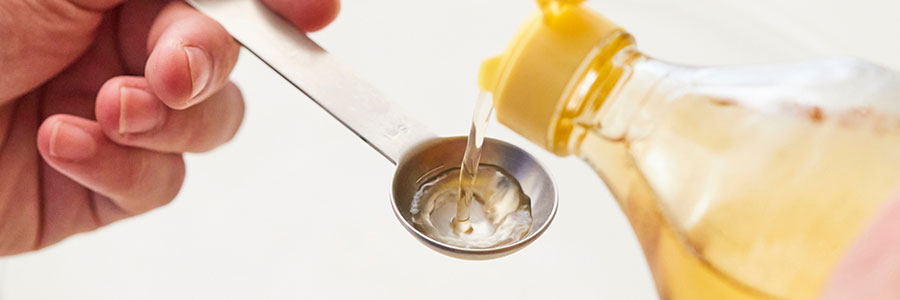
Milliliters to Ounces Converter
Use this free milliliters to ounces converter to instantly convert liquid volume measurements. Simply type any value, and the result updates automatically in real time—no need to press a button.
This tool is designed specifically for Canadians who often switch between metric and imperial systems for cooking, baking, beverages, and international recipes.
Milliliters ↔ Ounces Converter
Quick Conversion Table
| Milliliters (mL) | Ounces (oz) |
| 30 | 1.01 |
| 60 | 2.03 |
| 100 | 3.38 |
| 250 | 8.45 |
| 500 | 16.91 |
What Is a Milliliter?
A milliliter (mL) is a unit of volume in the metric system, which is officially used in Canada and most countries worldwide. It is commonly used for measuring liquids such as water, milk, oil, juice, and other beverages.
One milliliter equals one-thousandth of a liter, making it ideal for precise measurements. Milliliters are used in professional kitchens, food packaging, nutrition labels, and scientific applications, providing accurate and consistent results.
What Is an Ounce?
An ounce (oz) is a unit of volume in the imperial system, widely used in the United States and occasionally referenced in Canada.
Fluid ounces measure liquid volumes and are often used in recipes, beverages, and international product labeling.
1 U.S. fluid ounce equals approximately 29.5735 milliliters. While Canada primarily uses metric units, ounces are commonly seen in imported recipes, beverage containers, and restaurant menus.
How to Convert Milliliters to Ounces
To convert milliliters to ounces, you use a simple formula:
- 1 ounce = 29.5735 milliliters
Example conversions:
- 30 mL ≈ 1.01 oz
- 60 mL ≈ 2.03 oz
- 100 mL ≈ 3.38 oz
- 250 mL ≈ 8.45 oz
For quick mental math, some people round to 30 mL ≈ 1 oz, but this calculator gives precise results instantly.
How to Convert Ounces to Milliliters
To convert ounces back to milliliters, reverse the formula:
- 1 ounce = 29.5735 milliliters
Example conversions:
- 1 oz = 29.57 mL
- 2 oz = 59.15 mL
- 5 oz = 147.87 mL
- 10 oz = 295.73 mL
This is useful for converting imperial-based recipes into metric measurements.
What’s the Difference Between Metric and Imperial Systems?
The metric system and the imperial system are two distinct measurement standards.
Metric System (used in Canada):
- Based on units of 10 (easy to convert)
- Uses milliliters and liters
- Standard in science, healthcare, food labeling, and education
Imperial System:
- Uses ounces, cups, teaspoons, and tablespoons
- More common in the United States and some international recipes
- Less standardized globally
Because of this, Canadians often need to convert between these systems for cooking, beverages, and international travel.
Does Canada Use Milliliters or Ounces?
Canada officially uses the metric system, but in everyday life, Canadians use a mix of both.
Milliliters:
- Beverage containers (milk, juice, soda)
- Cooking measurements on packaging
- Medical and official measurements
- School and government use
Ounces:
- Imported beverages and products
- Recipes from the U.S.
- Restaurant menus and drink sizes
- Informal or international cooking use
Where Is This Conversion Commonly Used?
Milliliters to ounces conversion is widely used across many everyday situations in Canada:
Beverages & Drinks: Soft drinks, juices, and milk often have volume labels in both mL and oz.
Cooking & Baking: Liquids are labeled in mL, but used in tablespoon measurements.
Grocery Shopping: International products and imported items often list fluid ounces.
Restaurants & Cafes: Drink sizes on menus may be listed in ounces instead of milliliters.
International Recipes: U.S. recipes and online content often use ounces, requiring metric conversions.
ALLREVIEW Trivia – Did You Know?
- 1 U.S. fluid ounce equals 29.5735 mL.
- Canada primarily uses mL but ounces are still referenced in beverages.
- Ounces are often included on beverage cans and bottles alongside metric units.
- Converting accurately ensures proper hydration and recipe results.
- Professional kitchens in Canada prefer milliliters for precision, especially in recipes and drink mixes.
Milliliters to Ounces FAQs
More Conversion Tools:
- Conversion Tools Hub
- LENGTH: cm to in | in to cm | km to mi | mi to km | m to ft | ft to m | ft to in | in to ft
- WEIGHT: kg to lb | lb to kg | g to oz | oz to g | g to lb | lb to g | kg to oz | oz to kg
- VOLUME: L to gal, gal to L, mL to cups, cups to mL, mL to oz, oz to mL, tbsp to mL, mL to tbsp
- AREA: m² to sq ft | sq ft to m² | sq km to sq mi | sq mi to sq km | ac to ha | ha to ac
- OTHERS: °C to °F, °F to °C, L/100km to MPG, MPG to L/100km | km/h to mph | mph to km/hr