

New to Canada?
If you’re new to Canada, don’t miss our Newcomers to Canada: The Ultimate Guide. It covers everything you need to know about settling in Canada, including housing, employment, healthcare, banking, education, government benefits, and much more.
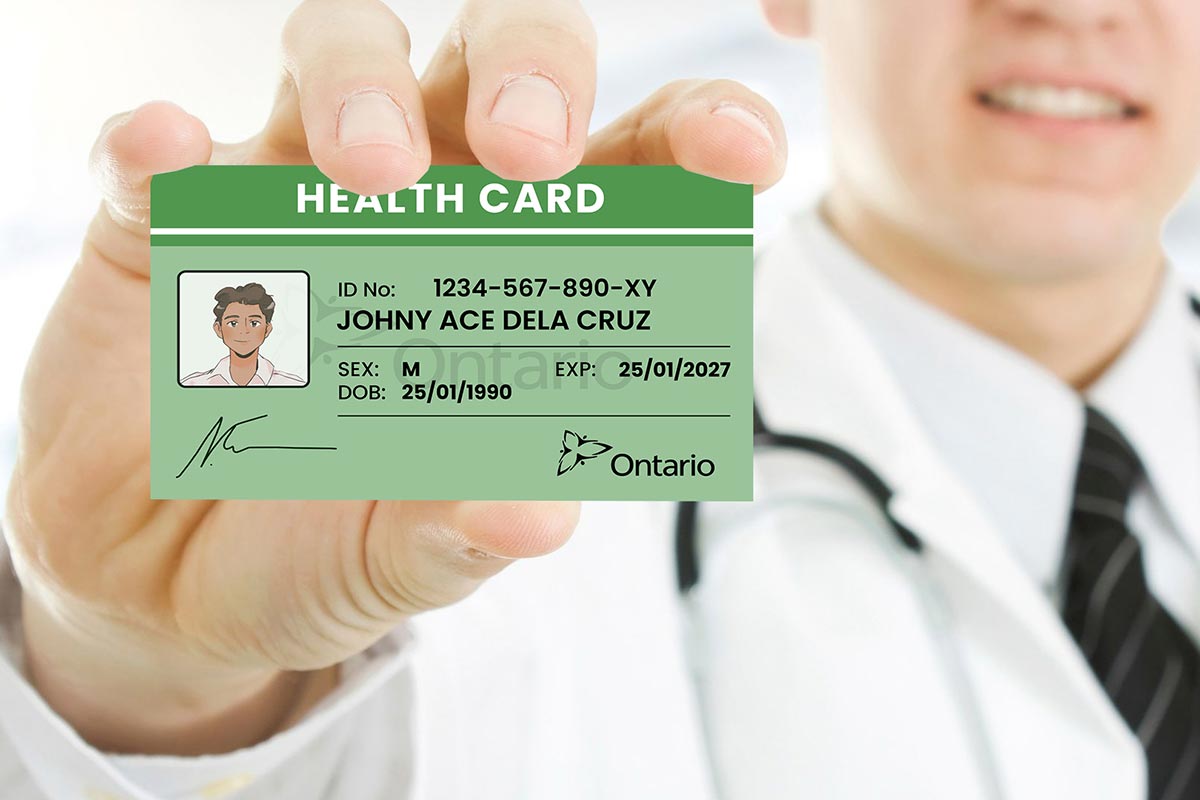
If you’re new to Ontario or transitioning within the Canadian healthcare system, one of the first things you’ll need is an OHIP card. The Ontario Health Insurance Plan (OHIP) is a government-administered health insurance program that enables residents to access medically necessary healthcare services free of charge. Whether you’re visiting a family doctor, undergoing essential surgery, or receiving emergency treatment, your OHIP card ensures you won’t have to deal with exorbitant bills for approved services.
However, understanding how to apply for an OHIP card and navigating the process can be confusing, especially if you’re unfamiliar with what’s required. That’s where this guide comes in. Here, we’ll break everything down—from what OHIP covers and who qualifies to the step-by-step application process, all tailored for Canadians. Let’s dive in and ensure you’re well-prepared to secure your health card!
What is OHIP and Why Do You Need It?
The Ontario Health Insurance Plan, affectionately referred to as OHIP, is a cornerstone of Ontario’s healthcare system. Funded through taxes collected from Ontario residents, OHIP offers financial protection by covering the cost of numerous medical services. These include:
- Visits to family doctors and specialists.
- Diagnostic tests such as X-rays and ultrasounds.
- Surgeries conducted in hospitals.
- Emergency room visits.
- Prenatal care and childbirth services in hospitals.
Why is this important? The cost of healthcare without insurance can be astronomical. For instance, a single visit to the emergency room can range from hundreds to thousands of dollars, depending on the nature of the treatment. By carrying an OHIP card, you confirm your eligibility for healthcare coverage, making it an indispensable item for any Ontario resident.
Beyond financial protection, the OHIP card also serves as your ticket to seamless access to healthcare. Imagine needing to see a doctor urgently—having your OHIP card in hand eliminates the need for additional paperwork or explanations. It’s the healthcare lifeline that connects you to essential services at your time of need.
Eligibility Criteria for OHIP
Before you apply, you’ll need to determine whether you qualify for OHIP. The program is designed for Ontario residents, but it has specific conditions to ensure that coverage is limited to those who genuinely reside in the province.
Here’s a detailed look at the eligibility criteria:
- Residency in Ontario: To qualify, you must consider Ontario your primary home. This means you should live in Ontario for at least 153 days during any given 12-month period. The program does not apply to tourists or temporary visitors.
- Legal Status in Canada: You need to be a Canadian citizen, permanent resident, or a person granted refugee status. Alternatively, individuals with certain immigration documents or work permits that meet OHIP’s requirements may qualify.
- Intent to Reside in Ontario: If you’ve recently moved to Ontario, you must prove that you intend to make the province your permanent residence.
- Waiting Period (If Applicable): New residents may be subject to a three-month waiting period before coverage begins. This is intended to ensure that OHIP supports those who establish genuine ties to Ontario. During this period, consider purchasing private health insurance to bridge the gap.
Did You Know
- that OHIP+ provides free access to over 5,000 drug products for individuals aged 24 and under who are not covered by a private insurance plan.
- that Every Ontario resident with OHIP is entitled to emergency and preventive care free of charge. This includes visits to participating doctors and medically necessary hospital stays.
- that OHIP covers certain specialized services, such as optometry for specific age groups, dental surgery in hospitals, and ambulance services. However, it does not cover routine dental care or prescription drugs outside of hospitals.

Documents Required to Apply for an OHIP Card
The application process for an OHIP card requires you to provide documentation that verifies your eligibility. This step ensures that only qualified individuals gain access to the program, preserving its integrity.
Here are the essential categories of documents you’ll need and examples for each:
- Proof of Ontario Residency: This confirms that Ontario is your primary residence. Acceptable documents include:
- Rental or lease agreements.
- Utility bills (e.g., electricity, water, or internet).
- Property tax statements.
- Valid Ontario driver’s license.
- Proof of Citizenship or Immigration Status: This shows that you’re legally eligible for healthcare coverage in Canada. Examples include:
- Canadian passport.
- Permanent resident card or Confirmation of Permanent Residence (COPR).
- Canadian citizenship certificate.
- Immigration papers such as a work or study permit (specific criteria apply).
- Proof of Identity: A document that confirms your identity. Options include:
- Birth certificate.
- Social Insurance Number (SIN) card. (If you don’t have SIN yet must read this article guide)
- Government-issued photo ID.
Important Tip
- Double-check the validity of all documents to ensure they’re current and unexpired. If you’re unsure about any document, contact ServiceOntario for clarification before submitting your application.
Step-by-Step Guide to Applying for an OHIP Card
Once you’ve confirmed your eligibility and gathered your documents, it’s time to apply. The process is straightforward when you know what to expect. Follow these steps to ensure success:
- Find a ServiceOntario Centre: The first step is locating a ServiceOntario office where health card applications are processed. Visit the official website to find the nearest location.
- Complete the Application Form: Download the form online or pick up a copy at the ServiceOntario centre. Fill it out carefully, ensuring all personal information is accurate and legible.
- Gather Your Documents: Bring all the required documents listed earlier. Make sure they’re organized to avoid unnecessary delays.
- Visit the ServiceOntario Centre: Submit your form and documents in person. The staff will verify your details and process your application.
- Receive Your Temporary Document: If approved, you’ll receive a temporary health card slip that serves as proof of coverage while waiting for your physical OHIP card to arrive by mail.
- Wait for Your Permanent Card: Your OHIP card should arrive within 4-6 weeks. Keep it safe and accessible, as you’ll need it for every healthcare visit.
Common Mistakes to Avoid During the Application Process
Even with a straightforward process, mistakes can happen. Here’s how to avoid them:
- Submitting Incomplete Forms: Double-check your application for missing information before submission.
- Forgetting Essential Documents: Verify that all required documents are accounted for before heading to ServiceOntario.
- Assuming You’re Automatically Eligible: Confirm your eligibility based on residency and legal status before applying.
How to Renew or Replace Your OHIP Card
OHIP cards need to be renewed periodically, and life happens—cards can get lost or stolen. Here’s what to do:
- Renewal Process: Visit a ServiceOntario centre before your card expires. Bring updated proof of residency and identification.
- Replacement Process: Report your lost or stolen card to ServiceOntario. Bring identification and proof of residency for a new card.
You’ve Got Your OHIP Card—Now What? Congratulations—you’ve completed the first step! Now let’s make it count. Discover how to find and register with a family doctor in Canada, so you can access full healthcare coverage and peace of mind.
Find your family doctor today!

More FAQs About OHIP
To help you better understand the OHIP, here are some frequently asked questions and their answers:
Conclusion
Obtaining an OHIP card is one of the most important steps you can take as an Ontario resident. By following the guide above, you’re well on your way to securing healthcare coverage for yourself and your loved ones. With your OHIP card in hand, you’ll have peace of mind knowing you’re protected in times of need. Take action today and get the coverage you deserve!
Additional Resources and Support
- Visit Ontario.ca for official details.
- Contact ServiceOntario for personalized help.