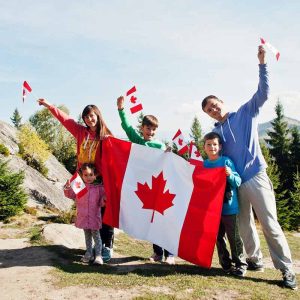


Plan Your Year Smarter! Looking for holidays in other provinces? Explore our complete Canada Statutory Holidays 2026 guide to compare holiday dates across the country and plan your vacations, long weekends, and time off with confidence.
Canada is known for its diverse communities, beautiful seasonal celebrations, national pride, and traditions that bring families and neighbours together. Throughout the year, Canadians celebrate holidays that reflect the country’s history, cultural heritage, religious traditions, Indigenous communities, and modern way of life.
From Canada Day fireworks and Thanksgiving dinners to Victoria Day camping trips, Halloween costumes, and Christmas gatherings, each occasion has its own meaning and customs. Some holidays are official public holidays, while others are widely celebrated without providing a statutory day off work.
Understanding Canadian holidays is especially helpful for newcomers, international students, travellers, and anyone who wants to learn more about Canadian culture.
In this guide, AllReview.ca explores the major Canadian holidays, their history and significance, how people celebrate them, and what makes Canada’s holiday calendar unique.
Understanding Canadian Holidays
Canadian holidays come from several different traditions. Some were established to recognize important events in the country’s development, while others reflect religious observances, international customs, family traditions, and the cultural practices of Canada’s diverse population.
Unlike countries that have one uniform list of public holidays, Canada has a combination of federal holidays, provincial and territorial holidays, civic observances, and unofficial celebrations.
For example, Canada Day is celebrated nationwide on July 1. Family Day is observed in several provinces in February, but it is not a holiday everywhere. Quebec has its own important June 24 celebration, while Remembrance Day has different statutory status depending on the jurisdiction.
The main types of Canadian holidays
National celebrations: These include Canada Day and events that recognize Canada’s history, identity, and communities.
Statutory or public holidays: These are holidays recognized under the applicable employment or public-holiday legislation. The exact entitlements vary by jurisdiction and worker.
Religious holidays: Christmas, Easter, Good Friday, and other religious observances are celebrated by Canadians according to their beliefs and traditions.
Cultural and family celebrations: Valentine’s Day, Mother’s Day, Father’s Day, and Halloween are popular examples.
Commemorative observances: Remembrance Day, National Indigenous Peoples Day, and the National Day for Truth and Reconciliation recognize important histories, contributions, and responsibilities.
These categories can overlap. A holiday can be culturally significant, officially recognized, and a paid day off for some workers without having the same employment status for everyone.
New Year’s Day: January 1
New Year’s Day marks the beginning of the Gregorian calendar year. It is one of the most widely recognized holidays in Canada and is a time when people reflect on the past year and make plans for the months ahead.
Many Canadians celebrate on New Year’s Eve, December 31, by attending parties, watching fireworks, enjoying dinners with family and friends, or counting down to midnight. New Year’s Day itself is often quieter, with people relaxing, visiting relatives, watching sporting events, or enjoying a day away from work.
Common traditions include making New Year’s resolutions, setting personal goals, and spending time with loved ones.
For newcomers to Canada, New Year’s celebrations are a good example of how Canadian traditions combine international customs with local events. Large cities often host public celebrations, although the availability and format of events vary by location.
Did you know? January 1 is a general holiday for federally regulated employees under the Canada Labour Code. The employment rules applicable to other workers depend on their province or territory.
Valentine’s Day: February 14
Valentine’s Day is a popular celebration of love, affection, and friendship. Although it is not generally a statutory holiday, many Canadians celebrate it by exchanging greeting cards, flowers, chocolates, and small gifts.
Couples may arrange romantic dinners, while families and friends sometimes exchange cards or treats. Schools may organize Valentine’s Day activities, particularly for younger children.
Retailers, restaurants, florists, and gift shops often prepare special promotions for the occasion. Some Canadians also use the day to recognize friendships or show appreciation for people who are important to them.
Valentine’s Day is not uniquely Canadian, but it is part of the country’s broader calendar of social celebrations. Its customs may differ among families and communities.
Is Valentine’s Day a statutory holiday in Canada? No. It is widely celebrated but does not generally entitle employees to a statutory day off.
Family Day and February Holidays
Family Day is observed on the third Monday of February in several Canadian provinces, including Ontario, Alberta, Saskatchewan, and British Columbia. The holiday encourages people to spend time with family and participate in community activities.
Other provinces have different February holidays. Manitoba observes Louis Riel Day, Nova Scotia observes Heritage Day, and Prince Edward Island observes Islander Day. Quebec does not have the same general provincial February holiday.
Although these holidays occur around the same time, their origins and meanings differ.
How Canadians celebrate Family Day
Families may go skating, visit museums, attend community events, enjoy winter festivals, or take short trips. Municipalities and recreation centres sometimes organize special programs for children and parents.
The February long weekend also gives many people an opportunity to take a break during the Canadian winter.
Did you know? Not every province observes a holiday called Family Day. The name, date, and employment status of February holidays depend on the jurisdiction. For official holiday dates and employment rules, consult the relevant provincial government.

Easter and Good Friday
Easter is an important Christian celebration commemorating the resurrection of Jesus Christ. Its date changes each year because it follows the ecclesiastical calendar rather than a fixed date on the Gregorian calendar.
In Canada, Easter traditions may include church services, family gatherings, special meals, chocolate eggs, and Easter egg hunts for children.
Good Friday, observed on the Friday before Easter Sunday, commemorates the crucifixion of Jesus. It is recognized as a general holiday for federally regulated employees, and its employment status for other workers depends on provincial or territorial rules.
Easter Monday follows Easter Sunday. Some federal and provincial government workplaces, schools, and organizations may observe it, but it is not a universal statutory holiday for all Canadian employees.
Common Easter traditions in Canada
- Attending religious services.
- Preparing special family meals.
- Giving chocolate eggs and Easter treats.
- Organizing Easter egg hunts.
- Visiting relatives and friends.
Canada’s diverse population means that Easter is not observed in the same way by everyone. Some Canadians celebrate it religiously, others enjoy the family traditions, and others do not observe it.
Victoria Day: The May Long Weekend
Victoria Day is observed on the Monday preceding May 25. It recognizes the birthday of Queen Victoria and is also associated with Canada’s tradition of celebrating the reigning sovereign’s birthday.
Queen Victoria’s birthday was declared a holiday in the Province of Canada in 1845. Following Confederation and Queen Victoria’s death in 1901, the holiday became established as Victoria Day. In 2023, a proclamation confirmed the observance of the sovereign’s birthday in Canada on Victoria Day.
Today, many Canadians associate the holiday with the unofficial start of summer.
How Canadians celebrate Victoria Day
Common activities include:
- Opening cottages and seasonal properties.
- Going camping or taking road trips.
- Planting gardens and preparing outdoor spaces.
- Attending community events and parades.
- Enjoying barbecues and outdoor gatherings.
The holiday is sometimes called the May long weekend. In some areas, people also refer to it as the May Two-Four weekend, a Canadian expression associated with the late-May long weekend.
Victoria Day has a special place in Canada’s calendar because it combines historical recognition with modern seasonal traditions.
Did you know? Victoria Day is observed on the Monday preceding May 25, rather than always falling on May 24. For the official history, see the Government of Canada’s Victoria Day resource.
National Indigenous Peoples Day: June 21
National Indigenous Peoples Day is observed on June 21 and recognizes the cultures, histories, and contributions of First Nations, Inuit, and Métis peoples.
The date coincides with the summer solstice, which holds cultural significance for many Indigenous communities. The day provides an opportunity to learn about Indigenous languages, traditions, arts, knowledge, and contemporary achievements.
Communities across Canada may organize cultural performances, educational events, art exhibitions, traditional activities, and public gatherings.
Why this day matters
Indigenous peoples have lived on the lands now known as Canada since long before Confederation. Their histories, cultures, and communities are essential to understanding the country.
National Indigenous Peoples Day is an opportunity to learn from Indigenous voices and recognize the diversity of First Nations, Inuit, and Métis experiences. Traditions and practices vary among nations and communities, so it is important not to treat Indigenous cultures as one uniform tradition.
Important distinction: National Indigenous Peoples Day is a significant national observance, but it is not automatically a statutory paid holiday for all Canadian employees.
Readers can learn more through the Government of Canada’s Indigenous Peoples and Canadian identity resources.
Canada Day: July 1
Canada Day is one of the country’s most recognizable national celebrations. It commemorates the anniversary of Confederation on July 1, 1867, when the British North America Act brought the Province of Canada, New Brunswick, and Nova Scotia together as the Dominion of Canada.
The holiday was originally known as Dominion Day. Its name changed to Canada Day in 1982, the same year Canada’s Constitution was patriated.
Canada Day is celebrated throughout the country, from large public events in major cities to small gatherings in local communities.
Popular Canada Day traditions
Fireworks and public celebrations: Municipalities and event organizers may arrange fireworks, concerts, festivals, and public entertainment.
Canadian flags and clothing: People often display the national flag or wear red and white clothing.
Barbecues and picnics: Families and friends gather outdoors to share meals and enjoy the summer weather.
Community activities: Parades, cultural performances, children’s activities, and live music are common features of local celebrations.
Travel and tourism: The July 1 holiday can be an opportunity for camping, road trips, and visits to Canadian attractions.
Canada Day and Canadian identity
Canada Day is also an opportunity to reflect on the country’s development, diversity, achievements, and unresolved challenges.
For many Canadians, the day is a celebration of community and national identity. Others use the occasion to consider Canada’s colonial history, the experiences of Indigenous peoples, and the work still needed toward reconciliation.
Recognizing these different perspectives can provide a more complete understanding of the day.
Civic Holiday and the August Long Weekend
The first Monday in August is commonly known as the Civic Holiday in many parts of Canada. However, the name and official status of the day vary by province, territory, and municipality.
In Ontario, it is often called the August Civic Holiday. Depending on the community, it may also be known as Simcoe Day, Colonel By Day, or another local name.
British Columbia observes British Columbia Day on the first Monday in August. Other jurisdictions have their own arrangements, and not all recognize the day as a general statutory holiday for every worker.
How Canadians spend the August long weekend
Many people use the weekend for camping, cottage trips, swimming, outdoor festivals, local fairs, and visits to family and friends.
Some communities organize historical celebrations or events recognizing local figures. The holiday is also a popular time for summer tourism and outdoor recreation.
Did you know? There is no single nationwide name or uniform employment entitlement for the first Monday in August. Always check the rules that apply to your province or territory.
Labour Day: The First Monday in September
Labour Day recognizes the contributions of workers and the labour movement. It is observed on the first Monday in September and has historical connections to efforts to improve working conditions, wages, working hours, and workers’ rights.
Canada’s labour movement played an important role in advocating for better employment standards and collective representation. Labour Day became a national holiday in the late nineteenth century.
Today, the day has both historical and practical significance.
Labour Day traditions
Many Canadians spend the long weekend enjoying the last major summer break before autumn routines resume.
Common activities include:
- Attending local fairs and festivals.
- Taking final summer road trips.
- Hosting barbecues and family gatherings.
- Enjoying parks, beaches, and outdoor activities.
- Preparing for the return to school.
Labour Day also remains an opportunity to reflect on employment standards, workplace safety, fair wages, and the contribution of workers across Canada’s economy.
For employees, it is important to distinguish the cultural significance of Labour Day from the specific employment rules that determine holiday pay and time off.
New to Canada? Don’t miss our Newcomers to Canada: The Ultimate Guide, your complete step-by-step resource for settling in Canada.
National Day for Truth and Reconciliation: September 30
The National Day for Truth and Reconciliation honours residential school Survivors, their families, and communities. It also recognizes the children who never returned home and the lasting effects of Canada’s residential school system.
Observed on September 30, the day responds to the Truth and Reconciliation Commission’s Call to Action 80, which called for a statutory holiday to honour Survivors and support public commemoration of residential schools.
The day is closely associated with Orange Shirt Day, which grew from efforts to remember the experiences of residential school Survivors and recognize the harm caused by the residential school system.
How Canadians observe the day
Activities may include educational programs, community gatherings, public ceremonies, and events led by Indigenous organizations.
People may wear orange shirts to show support for Survivors and raise awareness of residential school history. Schools, workplaces, and community groups may also provide opportunities to learn about the Truth and Reconciliation Commission’s Calls to Action.
The day is not simply a general celebration. Its purpose is remembrance, education, recognition, and reflection.
Canadians can use the occasion to learn about local Indigenous communities, read Survivor accounts shared with permission, support Indigenous-led initiatives, and consider how reconciliation can be advanced in everyday life.
Is September 30 a statutory holiday everywhere in Canada? It is a general holiday for federally regulated employees, but its employment status and entitlements for other workers depend on provincial or territorial legislation and workplace arrangements.
For further information, consult the Government of Canada’s National Day for Truth and Reconciliation announcement.
Thanksgiving: The Second Monday in October
Canadian Thanksgiving is observed on the second Monday in October. It is associated with gratitude, the autumn harvest, and gathering with family and friends.
The holiday has historical roots in religious thanksgiving observances and harvest celebrations. In 1957, Parliament established the modern observance as a day of general thanksgiving to Almighty God for the harvest with which Canada had been blessed.
Canadian Thanksgiving takes place earlier than American Thanksgiving, which falls in November.
Canadian Thanksgiving traditions
A traditional Thanksgiving meal may include roast turkey, stuffing, mashed potatoes, gravy, vegetables, cranberry sauce, and pumpkin pie. However, menus vary widely, reflecting family preferences and Canada’s multicultural population.
Some families prepare dishes connected to their cultural heritage, while others prefer smaller meals, vegetarian options, or casual gatherings.
Thanksgiving weekend is also a popular time for autumn road trips, visits to farms, harvest festivals, and enjoying fall colours.
Thanksgiving and Canadian history
Thanksgiving is often presented as a family celebration, but its history is more complex than a single meal or harvest tradition.
Indigenous perspectives on gratitude, land, and the historical relationship between Indigenous peoples and settlers are important to understanding the wider context of the holiday. Canadians can use the occasion to appreciate their communities while learning about the country’s history from a range of perspectives.
Did you know? Canadian Thanksgiving is celebrated in October, several weeks before the American Thanksgiving holiday.
Halloween: October 31
Halloween is celebrated on October 31 and is one of the most popular autumn traditions among Canadian children and families.
Its historical roots include older European seasonal customs and Christian observances associated with All Hallows’ Eve. Modern Halloween has developed into a largely secular celebration involving costumes, decorations, candy, and neighbourhood activities.
Popular Halloween traditions in Canada
Trick-or-treating: Children dress in costumes and visit participating homes to collect candy.
Pumpkin carving: Families carve jack-o’-lanterns and display them outside their homes.
Costume parties: Schools, workplaces, community centres, and friends may organize Halloween events.
Haunted attractions: Some communities offer haunted houses, seasonal tours, and themed entertainment.
Autumn decorations: Homes and businesses may display pumpkins, skeletons, cobwebs, and other Halloween decorations.
Safety is also important. Families should consider weather conditions, visibility, reflective clothing, safe pedestrian routes, and local guidance when planning trick-or-treating.
Halloween is not generally a statutory holiday, but it has become an established part of Canada’s seasonal calendar.
Remembrance Day: November 11
Remembrance Day honours members of the armed forces who died in military service and recognizes those who served in Canada’s military history.
November 11 marks the armistice that ended major hostilities on the Western Front during the First World War in 1918. The day is observed across Canada through ceremonies, moments of silence, and the wearing of poppies.
How Canadians observe Remembrance Day
- Attending local cenotaph ceremonies.
- Observing two minutes of silence at 11 a.m.
- Wearing red poppies as a symbol of remembrance.
- Visiting memorials and veterans’ organizations.
- Teaching younger generations about Canada’s military history.
The red poppy is strongly associated with Remembrance Day because of its connection to remembrance literature and the battlefields of the First World War.
The day is intended to honour sacrifice and service rather than celebrate war. It provides an opportunity to reflect on the human cost of conflict and the importance of peace.
Important: Remembrance Day’s statutory status differs across Canada. Federally regulated employees have a general holiday entitlement, while provincial and territorial rules vary.
Christmas and Boxing Day
Christmas Day, December 25, is a major Christian holiday commemorating the birth of Jesus Christ. It is also widely celebrated as a cultural and family occasion by many Canadians who observe it in a secular way.
Because Canada is religiously and culturally diverse, not every household celebrates Christmas, and traditions vary significantly among those who do.
Christmas traditions in Canada
Common customs include decorating Christmas trees, exchanging gifts, preparing special meals, attending religious services, and spending time with family and friends.
Homes and public spaces may display lights, seasonal decorations, and Christmas trees. Some communities organize parades, holiday markets, charity drives, and winter festivals.
Canadian winter weather can also shape the season. In many parts of the country, Christmas falls during cold weather and may involve snow, skating, or other winter activities. In coastal and southern regions, conditions vary from year to year.
Boxing Day: December 26
Boxing Day follows Christmas Day and is associated with shopping, sporting events, and spending time with family. It is also a general holiday for federally regulated employees.
Retailers have traditionally offered post-Christmas sales, although the scale and timing of promotions vary by store.
Historically, Boxing Day is associated with customs involving gifts or charitable giving to workers and people in need. Today, many Canadians primarily associate it with retail sales, leisure, and the continuation of the Christmas holiday period.
Christmas Day and Boxing Day are both general holidays under the Canada Labour Code for federally regulated employees. Entitlements for other workers depend on the applicable provincial or territorial rules.
Other Popular Canadian Celebrations
Canada’s holiday calendar includes many other celebrations and observances. Some are religious, some are cultural, and others are family-oriented or connected to community life.
Mother’s Day
Mother’s Day is celebrated on the second Sunday in May. Canadians may recognize mothers and maternal figures through cards, flowers, meals, gifts, or family gatherings.
The day is not generally a statutory holiday, but it is widely recognized as an occasion to show appreciation.
Father’s Day
Father’s Day takes place on the third Sunday in June. Families may celebrate with cards, meals, outings, or small gifts for fathers and other important parental figures.
Like Mother’s Day, it is a popular social celebration rather than a general statutory holiday.
Groundhog Day: February 2
Groundhog Day is a traditional seasonal observance associated with predicting the arrival of spring. In Canada, Wiarton Willie in Ontario is among the best-known groundhogs associated with the occasion.
The event attracts attention because it combines local community traditions, winter tourism, and light-hearted seasonal entertainment.
Groundhog Day is not a statutory holiday. Its popularity comes from its folklore and community appeal.
St. Patrick’s Day: March 17
St. Patrick’s Day has Irish religious and cultural origins and is celebrated in Canada through parades, music, cultural events, and gatherings.
The scale of celebrations varies by community. It is not a general statutory holiday.
Mother’s Day, Father’s Day, and family milestones
Birthdays, weddings, graduations, anniversaries, and other personal milestones are also important parts of Canadian social life. These occasions are not public holidays, but they contribute to the traditions and customs that bring people together.
Religious and cultural celebrations
Canadians also observe many celebrations beyond the traditional holiday calendar, including Lunar New Year, Diwali, Eid al-Fitr, Eid al-Adha, Hanukkah, Vaisakhi, and other occasions.
The dates of some celebrations vary each year according to lunar, lunisolar, or religious calendars. Their customs differ among communities, families, and faith traditions.
These celebrations reflect Canada’s cultural diversity. They should not be treated as uniform national holidays, but they are important parts of life in many Canadian communities.
Provincial and Territorial Holiday Differences
One of the most important things to understand about Canadian holidays is that there is no single list of statutory holidays that applies identically to every worker in the country.
Federal employment standards apply to federally regulated industries and workplaces. Most other employees are covered by the employment standards legislation of their province or territory.
This distinction affects holiday pay, eligibility, substitute days, and whether a particular observance is a statutory holiday.
Examples of regional differences
| PROVINCE / TERRITORY | REGIONAL HOLIDAY OBSERVANCES |
|---|---|
| Ontario | Family Day; Civic Holiday observances in August |
| British Columbia | Family Day; British Columbia Day |
| Alberta | Family Day |
| Saskatchewan | Family Day |
| Manitoba | Louis Riel Day |
| Nova Scotia | Heritage Day |
| Prince Edward Island | Islander Day |
| Quebec | Fête nationale du Québec on June 24 |
| New Brunswick | New Brunswick Day |
| Newfoundland and Labrador | Regional and provincial holiday arrangements |
| Yukon | Discovery Day and other territorial observances |
| Northwest Territories | National Indigenous Peoples Day and other territorial observances |
| Nunavut | Nunavut Day and other territorial observances |
This table provides examples, not a complete list of statutory holidays or a legal determination of employee entitlements. Some observances are holidays for particular employees or public institutions but not for all workers.
For detailed dates, employment rules, and holiday-pay information, consult the relevant provincial or territorial government.
Statutory Holidays vs. Cultural Celebrations
The terms holiday, public holiday, and statutory holiday are often used interchangeably in everyday conversation, but they do not always mean the same thing.
A cultural celebration can be widely observed without being a statutory holiday. Similarly, an official observance does not automatically mean that every employee receives a paid day off.
What is a statutory holiday?
A statutory holiday is a holiday recognized under applicable legislation. Depending on the jurisdiction and the worker’s circumstances, the legislation may provide a paid day off, holiday pay, premium pay for working, or a substitute day.
For federally regulated employees, the Canada Labour Code provides ten general holidays: New Year’s Day, Good Friday, Victoria Day, Canada Day, Labour Day, the National Day for Truth and Reconciliation, Thanksgiving Day, Remembrance Day, Christmas Day, and Boxing Day.
Provincial and territorial employment standards differ. Eligibility requirements and exceptions can also apply.
What is an unofficial holiday?
An unofficial holiday is a day that people celebrate socially or culturally without necessarily receiving a statutory day off.
Examples include Valentine’s Day, Halloween, Mother’s Day, Father’s Day, and Groundhog Day.
These occasions can be important to families, communities, and businesses even though they are not general statutory holidays.
Why the distinction matters
Understanding the difference can help you plan your work schedule, annual leave, school activities, family gatherings, and travel.
If you need to know whether you qualify for holiday pay, do not rely only on a general Canadian holiday calendar. Check the employment standards rules that apply to your workplace.
For official information, consult the Government of Canada’s annual vacations and general holidays guide.
For upcoming dates and working-day calculations, visit our related guide: Canada Statutory Holidays 2026: How Many Working Days in a Year?
More Canadian Holidays FAQs
Conclusion
Canadian holidays are more than dates on a calendar. They reflect the country’s history, national identity, religious traditions, cultural diversity, and the experiences of communities across the country.
From the summer celebrations of Canada Day and Victoria Day to the reflection associated with Remembrance Day and the National Day for Truth and Reconciliation, each occasion provides a different way to understand Canadian life.
Family celebrations, religious observances, and unofficial holidays also contribute to the traditions that bring people together. At the same time, Canada’s provincial and territorial differences mean that not every holiday has the same legal status or employment benefits nationwide.
Whether you are a newcomer learning about Canadian customs, a student researching Canadian culture, or a resident planning the year ahead, understanding these holidays can help you appreciate the country’s traditions and diversity.
For practical information about dates, working days, and employment entitlements, continue with our related guide: Canada Statutory Holidays 2026: How Many Working Days in a Year?.
Read More Helpful Resources on All Review
Looking for more Canadian resources? Browse our collection of in-depth guides covering government benefits, housing, education, banking, and much more—all designed to help you navigate life in Canada with confidence.
Other Provinces Stat Holidays
- Alberta
- British Columbia
- Manitoba
- New Brunswick
- Newfoundland and Labrador
- Northwest Territories
- Nova Scotia
- Nunavut
- Ontario
- Prince Edward Island
- Quebec
- Saskatchewan
- Yukon
Government, Education & Living in Canada
- Are Banks Open Today (or Tomorrow)?
- Canada Benefits and Payment Dates
- CRA My Account Registration Guide
- Social Insurance Number (SIN) Application Guide
- My Service Canada Account (MSCA) Guide
- Food Banks in Canada Directory
- Best Universities in Canada
- Best Cities to Live in Canada
- Cheapest Places to Live in Canada
- Warmest Places to Live in Canada
- Buying a House in Canada Guide
Statistics and Information Sources:
- Government of Canada — Annual Vacations and General Holidays for Federally Regulated Employees
- Government of Canada — Victoria Day: History and Observance
- Government of Canada — National Day for Truth and Reconciliation
- Government of Canada — Canada Labour Code