

New to Canada?
If you’re new to Canada, don’t miss our Newcomers to Canada: The Ultimate Guide. It covers everything you need to know about settling in Canada, including housing, employment, healthcare, banking, education, government benefits, and much more.
Getting death records in Canada is an important step when you need official confirmation that someone has passed away. Unlike obituaries, which are public announcements published by families or funeral homes, death records and death certificates are government-issued documents that serve as legal proof of death. These official records are often required for legal, financial, administrative, and family-related matters across Canada.
In Canada, death records are managed at the provincial level, not through one central federal database. This means the process, fees, eligibility requirements, and access rules can vary depending on where the death occurred. Some provinces provide convenient online application systems, while others may still require paper forms or additional identity verification.
This guide explains how to access Canadian death records in 2026, including province-by-province steps, the different types of documents available, who is eligible to apply, and common challenges people face during the search process.
What Are Death Records in Canada?
A death record in Canada is an official registration of a person’s death filed with a provincial Vital Statistics office. These records become part of the government’s civil registration system and are considered official legal documents. They are very different from obituaries, which are informal public notices written by families or funeral homes.
There are typically three types of death documents:
1. Death Registration Record
- Filed by funeral homes and medical professionals
- Contains official registration details
- Stored in government databases
This is the official government registration created after a death occurs. It usually contains detailed information such as the deceased person’s full legal name, place of birth, date of death, marital status, and other identifying details used for legal documentation and archival purposes.
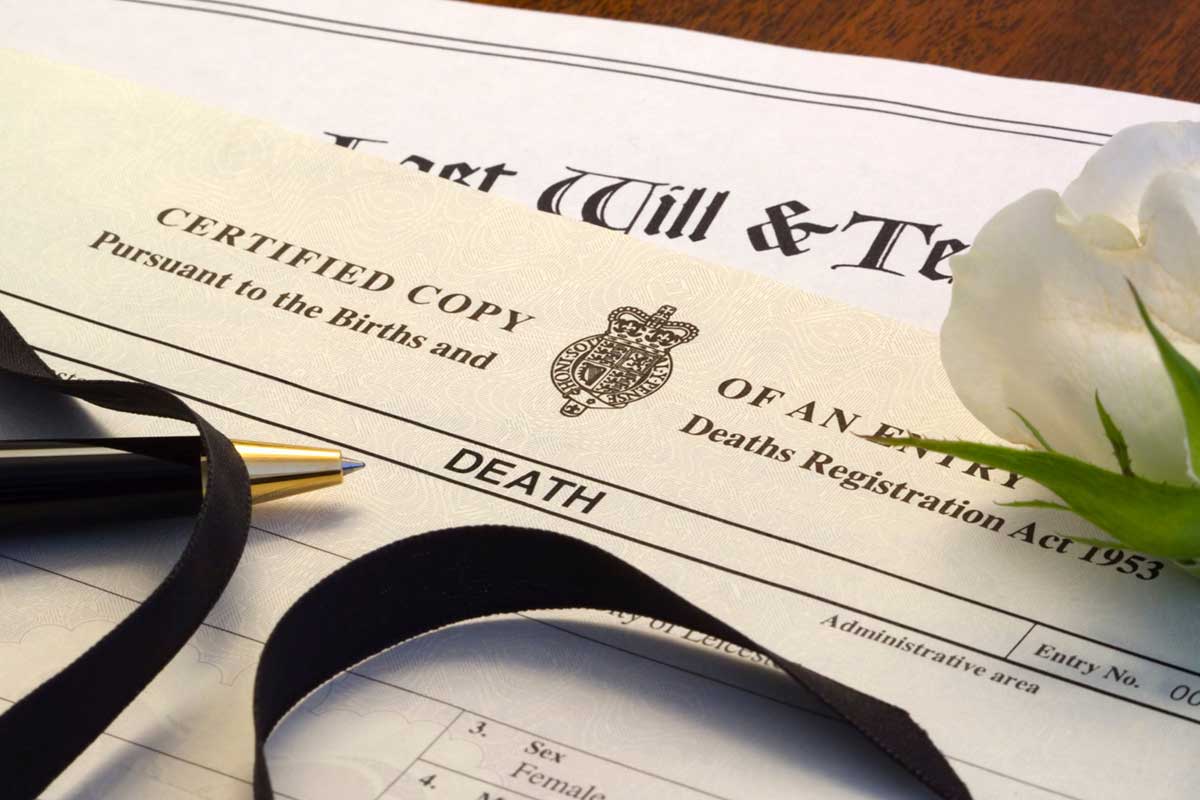
2. Death Certificate
- Official document issued to the public
- Used for legal and financial purposes
- Required for estates, banks, and insurance
A death certificate is the most commonly requested document by families and executors. It serves as proof of death for settling estates, claiming pensions or insurance benefits, closing accounts, and handling many legal matters after someone passes away.
3. Medical Certificate of Death
- Completed by a doctor or coroner
- Confirms cause of death
- Not always publicly accessible
This document is primarily used for medical and statistical purposes. Because it may contain sensitive medical information, access is often restricted under provincial privacy laws.
Why Death Records Matter in Canada
People search for death records for many reasons:
- Estate and inheritance processing
- Insurance claims
- Pension or CPP survivor benefits
- Legal verification of death
- Genealogy and family history research
- Confirming identity of deceased individuals
Unlike obituaries, death records are considered official legal proof, which makes them more reliable but also more restricted. Many organizations in Canada, including banks, courts, insurance companies, and government agencies, require certified death documentation before releasing funds or updating legal records.
For family historians and genealogists, older death records can also provide valuable historical details such as family relationships, burial locations, occupations, and causes of death.
How Death Records Work in Canada
Canada does NOT have a national death database.
Instead:
- Each province manages its own records
- Requests must go through provincial Vital Statistics offices
- Privacy laws control access to recent records
This decentralized system means there is no single website where you can search all Canadian death records at once. Each province has its own rules regarding who may apply, what information is required, and how long records remain restricted.
This means you must search based on:
- Province of death
- Time period
- Eligibility (family member, legal representative, etc.)
Knowing the correct province is extremely important because applications sent to the wrong jurisdiction will usually be rejected or delayed.

Death Records in Canada (Province-by-Province Overview)
Death records in Canada are managed at the provincial and territorial level through each region’s Vital Statistics office. These records are essential for legal, financial, and family-related purposes, and they are not stored in a single national database. Below is a clear overview of how each province handles death registrations, what you can request, who can apply, and why these records are important.
| Province / Territory | Vital Statistics Office | What You Can Request | Who Can Apply / Access |
|---|---|---|---|
| Ontario | ServiceOntario | Certified death certificates, certified copies of death registrations (restricted), short-form and long-form certificates | Immediate family members, estate executors, legal representatives |
| British Columbia | BC Vital Statistics Agency | Death certificates, registration copies (restricted), historical genealogy records | Eligible family members and authorized applicants |
| Alberta | Alberta Vital Statistics | Certified death certificates, registration verification, limited historical access | Close family members and authorized representatives |
| Quebec | Directeur de l’état civil du Québec | Death certificates, Actes de décès (death acts), official registration extracts | Applicants with legal eligibility requirements |
| Manitoba | Manitoba Vital Statistics | Death certificates and official death registrations | Based on provincial eligibility rules |
| Saskatchewan | Saskatchewan Vital Statistics | Death certificates and registration records | Based on provincial eligibility rules |
| Nova Scotia | Nova Scotia Vital Statistics | Death certificates and official death records | Based on provincial eligibility rules |
| New Brunswick | New Brunswick Vital Statistics | Death certificates and registration copies | Based on provincial eligibility rules |
| Newfoundland & Labrador | Newfoundland & Labrador Vital Statistics | Death certificates and legal death documents | Based on provincial eligibility rules |
| Prince Edward Island | Prince Edward Island Vital Statistics | Death certificates and registration records | Based on provincial eligibility rules |
| Yukon | Yukon Vital Statistics | Official death certificates and registrations | Based on territorial eligibility rules |
| Northwest Territories | Northwest Territories Vital Statistics | Death certificates and registration documents | Based on territorial eligibility rules |
| Nunavut | Nunavut Vital Statistics | Death certificates and official registrations | Based on territorial eligibility rules |
Ontario Death Records (ServiceOntario)
ServiceOntario handles all official death registrations and certificates in Ontario.
What you can request:
- Certified death certificate
- Certified copy of death registration (restricted)
- Short-form or long-form certificates
Who can apply:
- Immediate family members
- Estate executors
- Legal representatives
Why Ontario records are important:
Ontario has one of the largest death record databases in Canada, especially for Toronto and surrounding regions. Because Ontario is Canada’s most populous province, its Vital Statistics system processes a very large number of death registrations every year.
Ontario records are commonly used for estate administration, property transfers, pension processing, and genealogy research. Older Ontario death records may also be available through archives and family history databases.
British Columbia Death Records
BC Vital Statistics Agency manages all death records in British Columbia.
What you can access:
- Death certificates
- Registration copies (restricted)
- Historical genealogy records (older files)
Key features:
- Online ordering system
- Fast processing for recent records
- Strong digital archives for older records
British Columbia has developed one of the more accessible online systems for ordering certificates and searching certain historical records. Genealogists often use BC archives because many older records have been digitized and indexed for easier public access.
Alberta Death Records
Alberta Vital Statistics handles official death registration and certificates.
What is available:
- Certified death certificates
- Registration verification
- Restricted historical access
Common uses:
- Insurance claims
- Estate settlements
- Legal confirmation of death
Alberta death records are frequently required for probate matters, financial account closures, and survivor benefit applications. Access to recent records is usually limited to close family members and authorized representatives.
Quebec Death Records
Directeur de l’état civil du Québec is responsible for all civil registrations in Quebec.
Important notes:
- Quebec uses a civil law system
- Many records are in French
- Some documents require legal eligibility
You may request:
- Death certificates
- Actes de décès (death acts)
- Official registration extracts
Quebec’s system differs slightly from other provinces because of its unique civil law tradition. Applicants may need to provide documents in French or work through French-language forms and instructions. Historical records in Quebec can also be extremely valuable for French-Canadian genealogy research.
Other Provinces and Territories
Every province and territory in Canada has its own Vital Statistics system:
- Manitoba Vital Statistics
- Saskatchewan Vital Statistics
- Nova Scotia Vital Statistics
- New Brunswick Vital Statistics
- Newfoundland & Labrador Vital Statistics
- Prince Edward Island Vital Statistics
- Yukon Vital Statistics
- Northwest Territories Vital Statistics
- Nunavut Vital Statistics
Each system has:
- its own application process
- different processing times
- specific eligibility rules
Smaller provinces and territories may have fewer online tools available, but they still maintain official death registration systems that follow provincial privacy legislation.
Trace Your Canadian Family History More Easily
Trying to confirm old family records or search for deceased relatives in Canada? Our complete guide explains how to search Canadian death records, obituaries, cemetery databases, probate files, and public archives step by step. Read the full guide here
How to Request a Death Certificate in Canada (Step-by-Step)
Even though processes vary slightly by province, the general steps are similar across Canada.
Step 1: Confirm the Province of Death
You must first identify where the person died.
This determines:
- which office to contact
- which application form to use
- processing timelines
Without the correct province, your search can become much more difficult because each jurisdiction maintains separate databases and filing systems.
Step 2: Gather Required Information
You will usually need:
- Full legal name of deceased
- Date of birth
- Date of death (approximate is sometimes accepted)
- Place of death (city/province)
- Relationship to the deceased
Providing accurate information helps avoid delays and reduces the risk of rejected applications. Even small spelling mistakes can sometimes affect record searches.
Step 3: Choose Type of Document
You may request:
- Short-form death certificate (basic info)
- Long-form certificate (detailed legal document)
- Certified copy of registration (restricted access)
Different situations require different documents. For example, banks or insurance companies may request long-form certificates or certified copies instead of basic certificates.
Step 4: Submit Application
Applications can usually be submitted:
- Online
- By mail
- In person (select provinces only)
Online applications are becoming more common across Canada, especially for recent records, but some provinces still require mailed identification documents or notarized forms.
Step 5: Pay Required Fees
Fees vary depending on province:
- Typically $15–$60 CAD per document
- Expedited services may cost more
Rush processing options are sometimes available if documents are urgently needed for legal or financial matters.
Step 6: Wait for Processing
Processing times depend on:
- province
- demand
- type of document
Typical range:
- 5 business days to several weeks
Delays may happen during high-demand periods or if additional identity verification is required.
Who Can Access Death Records in Canada?
Access rules depend on privacy laws.
Generally, access is allowed to:
- Immediate family members
- Legal representatives
- Executors of estates
- Government agencies
Restricted access applies to:
- recent deaths (usually under 20 years in some provinces)
- non-family members
- sensitive records
Some provinces allow broader access to older historical records once privacy restriction periods expire.
Free vs Paid Death Record Access in Canada
It is important to understand the difference:
Free Access
- Older historical records
- Some genealogy databases
- Library and archive collections
These free resources are often useful for genealogy research and older family history investigations.
Paid Access
- Certified death certificates
- Official government documents
- Legal copies for estate use
Official government-issued documents almost always require payment because they involve legal certification and administrative processing.
When You Should Use Death Records Instead of Obituaries
Use death records when:
- you need legal proof of death
- obituary cannot be found
- dealing with banks or insurance
- handling estate matters
- confirming identity officially
Use obituaries when:
- doing quick searches
- researching family history
- looking for funeral details
- trying to locate burial information
In many cases, people start with obituary searches because they are free and easier to access, then move to official death records if legal confirmation is required.
Common Problems When Searching Death Records
1. Privacy Restrictions
Recent records may not be publicly available.
Provincial privacy laws are designed to protect sensitive personal information, especially for newer records involving surviving family members.
2. Incorrect Information
Small spelling errors can block search results.
Even missing middle names, initials, or date inaccuracies may cause applications or searches to fail.
3. Missing Province Data
Without knowing the province, searches may fail.
Because Canada uses separate provincial systems, identifying the correct jurisdiction is often the most important part of the process.
4. Name Variations
Records may use:
- maiden names
- initials
- alternate spellings
This is especially common with older immigration records, French-English name translations, or handwritten historical documents.

More FAQs
Explore these frequently asked questions to quickly find the answers and information you need about getting death records, death certificates, and official proof of death in Canada.
In Conclusion
Death records in Canada are one of the most reliable ways to confirm a person’s passing, but they are also more regulated than obituaries. Because each province manages its own system, understanding where and how to apply is essential for a successful search.
In most cases, your search should follow this order:
- Obituaries (fastest & free)
- Cemetery records
- Government death records (most official)
By combining these sources, you can build a complete and accurate picture of a person’s death history in Canada while improving the chances of finding reliable and legally recognized information.
Statistics and Information Sources:
- Government of Canada website for searching death records
- Link: https://www.canada.ca/en/library-archives/collection/research-help/genealogy-family-history/birth-marriage-death-records.html
- Link: https://recherche-collection-search.bac-lac.gc.ca/eng/home/searchadvanced?DataSource=Genealogy%7CBirMarDivDea&DataSourceSel=Genealogy