
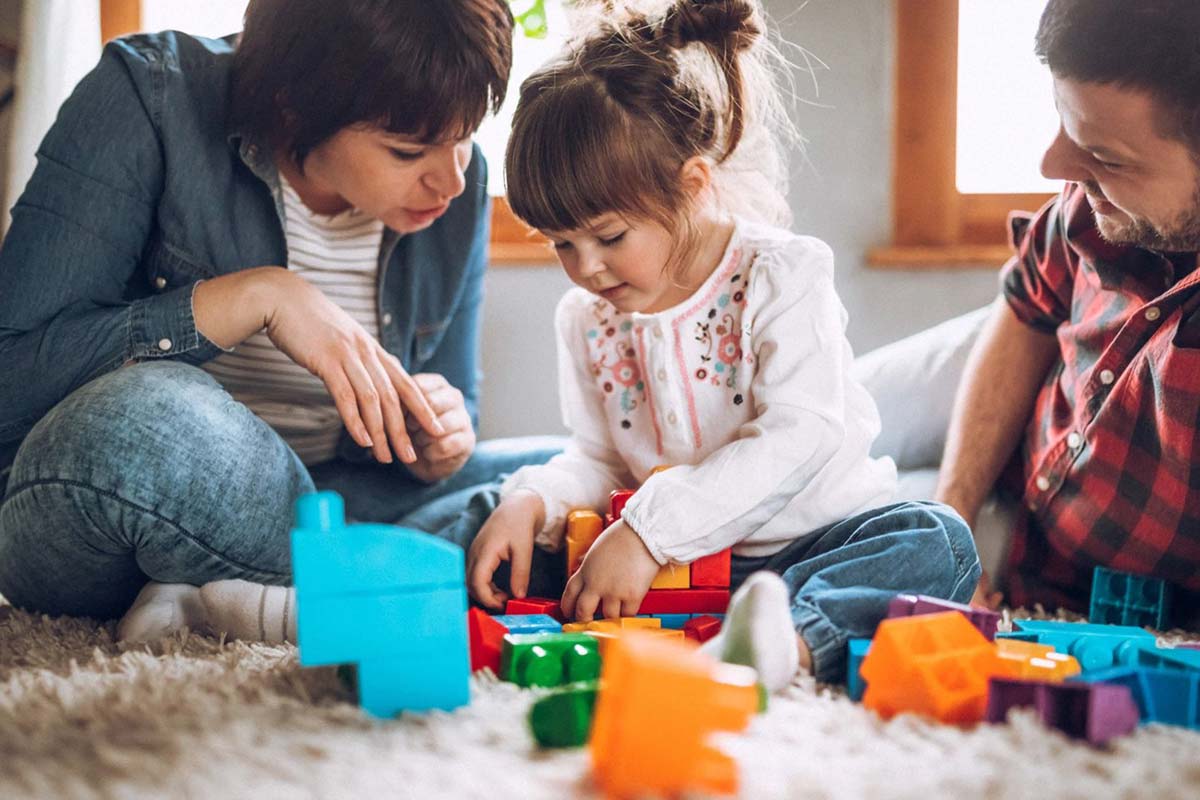

Raising children is rewarding no matter where you live. But raising a family in Canada comes with unique opportunities and challenges. Parents navigate everything from daycare waitlists and school enrollment to healthcare appointments, extracurricular activities, screen time, budgeting, and helping children develop into confident, compassionate adults.
For newcomers, the experience can be even more overwhelming as they learn how Canada’s education system, healthcare services, parenting culture, and community resources work.
The good news? Parents across Canada have learned valuable lessons through experience. Some discovered that spending quality time together matters more than expensive activities. Others learned the importance of community support, healthy routines, and encouraging independence from an early age.
To help new and experienced parents alike, AllReview asked Canadian parents from different provinces, family backgrounds, and professions one simple question:
“What’s the one parenting lesson you wish you had learned sooner while raising children in Canada?”
Their answers aren’t about being perfect parents.
They’re practical, honest, and based on real-life experiences that may help other families navigate parenthood with greater confidence.




Why We Asked This Question
No parenting guide can prepare families for every situation. Every child has a unique personality. Every family has different routines, values, cultures, and experiences.
What works for one family may not work for another. Yet despite those differences, parents often discover remarkably similar lessons over time.
They learn that children value attention more than expensive gifts. That consistency matters. That patience matters. That listening matters.
Rather than asking child development experts for theoretical advice, we wanted to hear directly from Canadian parents raising children every day. Parents who:
- Have celebrated milestones.
- Faced challenges.
- Made mistakes.
- Learned lessons they wish someone had shared earlier.
So we asked one simple question:
“What’s the one parenting lesson you wish you had learned sooner while raising children in Canada?”
Although every family had its own story, several meaningful themes quickly emerged.

Building Strong Family Foundations
One message appeared in nearly every conversation:
Children spell love with time.
Many parents admitted they initially believed providing more things for their children was the best way to support them. Over time, they realized their children valued conversations, shared meals, family traditions, and everyday moments much more.
Several contributors shared the parenting lessons that changed how they viewed family life.
Jennifer M.
Mother of Two • Ontario
“Be fully present, even if it’s only for a short time each day.”
Jennifer explained that putting away her phone during family time made ordinary evenings much more meaningful. Simple conversations over dinner became some of her children’s favourite memories.
Andrey S.
Father of One • Burnaby, B.C.
“I wish I’d learned sooner that raising a child doesn’t have to be an individual journey. It really does take a village. The Mount Pleasant Family Centre Society gave us a sense of community—one that supports you and, in turn, makes you want to contribute. For me, giving back eventually meant building OpenCommunity.ca to help make some of the behind-the-scenes work a little easier.”
Andrey realized that raising a child becomes easier when families have a supportive community around them, and that receiving support can inspire parents to give back to others.
Sarah T.
Mother of Three • Alberta
“Create family routines your children can count on.”
Sarah explained that regular bedtime routines, family dinners, weekend walks, and reading together created stability that helped her children feel secure.
Michael P.
Father of Two • Manitoba
“Celebrate the small moments.”
Michael admitted he spent too much time waiting for major milestones. Looking back, some of his happiest memories came from ordinary family activities that happened every week.
What We Learned
Although every family looked different, one lesson appeared repeatedly:
Children often remember everyday moments more than extraordinary ones.
Consistent routines, quality time, positive communication, and simple family traditions help build lasting relationships.
Creating Healthy Daily Routines
One of the strongest themes throughout our conversations was that children thrive when they know what to expect. Several parents explained that routines don’t make family life boring—they create stability.
When children know what happens before school, after school, during homework time, and before bed, they often feel more secure and become more independent. Parents also found that routines reduced daily stress by minimizing arguments over simple tasks.
Here are the habits that made the biggest difference for our contributors.
Amanda R.
Mother of Two • Nova Scotia
“A consistent bedtime changed everything.”
Amanda explained that her children became happier, healthier, and more focused at school once the family established a regular bedtime routine. Good sleep improved the mood of the entire household.
Robert S.
Father of Three • Ontario
“Eat together whenever possible.”
Robert believes family meals create opportunities to talk about school, friendships, and everyday experiences. Even short dinners together strengthened communication within the family.
Emily C.
Mother of One • Saskatchewan
“Read with your children every day.”
Emily explained that reading together became more than an educational activity. It became special one-on-one time that strengthened her relationship with her daughter while encouraging a lifelong love of books.
Jason W.
Father of Two • British Columbia
“Children need time to play—not just scheduled activities.”
Jason encourages families to leave space for imagination, outdoor play, and creative activities instead of filling every afternoon with structured programs. He believes unstructured play teaches problem-solving, confidence, and creativity.
What We Learned
Parents consistently reminded us that routines don’t have to be complicated.
Simple habits like eating together, reading every evening, maintaining regular bedtimes, and allowing time for play help children develop emotionally, socially, and academically.

Supporting Children at School
Education is an important part of raising children in Canada, but many parents explained that success isn’t measured only by report cards. Several contributors emphasized that curiosity, confidence, resilience, and a love of learning are just as valuable as academic achievement.
Parents also shared that building positive relationships with teachers and becoming involved in school activities helped both children and families feel more connected. Here are the lessons they shared.
Nicole T.
Mother of Two • Quebec
“Get to know your child’s teacher.”
Nicole explained that maintaining regular communication with teachers helped her better understand her children’s strengths, challenges, and progress throughout the school year.
Andrew L.
Father of One • Alberta
“Praise effort—not just results.”
Andrew encourages his son even when outcomes aren’t perfect. Recognizing hard work, perseverance, and improvement helped build confidence and encouraged a healthy attitude toward learning.
Melissa G.
Mother of Three • British Columbia
“Let your children solve age-appropriate problems.”
Melissa admitted she used to step in too quickly whenever her children faced difficulties. Over time, she realized that allowing them to solve small problems independently helped build resilience and decision-making skills.
Kevin O.
Father of Two • Newfoundland and Labrador
“Every child learns differently.”
Kevin explained that comparing children often creates unnecessary pressure. Instead, he encourages parents to celebrate each child’s individual strengths, interests, and pace of development.
What We Learned
The parents consistently reminded us that raising successful children isn’t about creating perfect students. It’s about helping children become confident learners, kind people, and resilient problem-solvers.
Supporting curiosity, maintaining communication with teachers, and encouraging independence often have lasting benefits beyond the classroom.

Parenting Lessons That Last a Lifetime
As our conversations came to a close, contributors reflected on the parenting advice they wish they had received years earlier.
Their answers weren’t about buying better toys, enrolling children in more activities, or following the latest parenting trends.
Instead, they focused on values.
Patience. Presence. Kindness. Communication. Trust.
These timeless lessons shaped not only their children, but also the parents they became.
Rachel S.
Mother of Two • Ontario
“Don’t compare your family to what you see on social media.”
Rachel explained that it’s easy to feel pressure when looking at perfectly staged family photos online. She learned that every family has difficult days, and children benefit far more from genuine love than from a picture-perfect life.
Matthew B.
Father of Three • Saskatchewan
“Your children are always watching how you handle challenges.”
Matthew realized that the way he responded to stress, disappointment, and conflict taught his children resilience and emotional regulation. Leading by example became one of his most important parenting lessons.
Olivia M.
Mother of One • British Columbia
“Listen before trying to fix every problem.”
Olivia admitted that she often rushed to solve her daughter’s problems immediately. Over time, she discovered that children sometimes simply want someone who listens and understands before offering advice.
Christina A. N.
Mother of Three • Alberta
“What I wish I had learned sooner is how important it is to find your community when raising children. Coming from Spain and having my triplets born in the U.S., I didn’t realize before moving to Alberta how much support is available to families. There are benefits, subsidies, programs and community organizations that can make a real difference. Finding the Edmonton Twin and Triplet Club (ETTC) gave me something just as valuable—a community of parents who understand the joys and challenges of raising multiples. I’ve learned that you don’t have to figure everything out on your own.“
Cristina learned that finding a supportive community can make a major difference when raising children, especially for families adjusting to a new country and navigating the challenges of raising multiples.
What We Learned
Although every family was different, the parenting advice consistently centered around the same values:
- Love.
- Patience.
- Communication.
- Consistency.
- Presence.
Children may not remember every birthday gift or family vacation. But they often remember how their parents made them feel.
Safe. Supported. Encouraged. Loved.
New to Canada? If you’re new to Canada, don’t miss our Newcomers to Canada: The Ultimate Guide. It covers everything you need to know about settling in Canada, including housing, employment, healthcare, banking, education, government benefits, and much more.
Common Parenting Mistakes
Throughout our conversations, parents reflected honestly on mistakes they made while raising their children.
Rather than expressing regret, they viewed these experiences as opportunities to grow alongside their families.
Several themes appeared repeatedly.
Trying to Be the Perfect Parent
Many contributors admitted they placed unnecessary pressure on themselves.
They eventually realized that children don’t need perfect parents—they need caring, consistent, and supportive ones.
Spending Too Much Time Working
Several parents wished they had protected family time more intentionally.
While providing financially is important, many explained that quality time together created memories that lasted much longer than material possessions.
Comparing Children to Others
Every child develops differently.
Parents consistently encouraged celebrating each child’s unique strengths, interests, and pace rather than comparing siblings or classmates.
Solving Every Problem for Your Child
Many contributors explained that allowing children to face age-appropriate challenges helped them become more independent, resilient, and confident.
Supporting children doesn’t always mean removing every obstacle.
Forgetting to Care for Yourself
Several parents emphasized that looking after your own physical and mental wellbeing ultimately benefits your children too.
Healthy parents are better equipped to support healthy families.
What Nearly Every Parent Agreed On
Although every contributor had different parenting styles and family experiences, their advice consistently pointed toward several timeless principles.
They encouraged parents to:
- Spend quality time together every day.
- Create consistent family routines.
- Read with your children regularly.
- Encourage independence.
- Stay involved in school life.
- Listen more than you lecture.
- Celebrate progress instead of perfection.
- Enjoy every stage of childhood.
Parenting isn’t about having all the answers. It’s about continuing to learn alongside your children.
Want to get to know Canada better? Don’t miss our article: What is Canada Known For? Discover the Top 20 Things Canada is Famous For. It’s a great way for newcomers to explore the culture, values, and iconic things that make Canada truly special.
Frequently Asked Questions
We heard you, which is why Allreview.ca has compiled and answered most, if not all, of the frequently asked questions so that you don’t have to do the research yourself.
Final Thoughts
There is no perfect way to raise children. Every family is different, but the lessons shared by these parents point to a few things that matter most: love, time, patience, consistency, and being present.
Children may not remember every gift, activity, or perfectly planned day. They are more likely to remember the everyday moments when they felt safe, loved, supported, and encouraged.
Parenting is a journey of learning alongside your children. Enjoy the ordinary moments—they often become the memories that last a lifetime.
About This Series
AllReview Voices is an editorial series that brings together real stories, practical advice, and authentic experiences from Canadians across the country.
Each article explores one meaningful question through contributor stories, supported by independent editorial insights from the AllReview team.
Our mission is to publish trustworthy Canadian resources that help families, newcomers, parents, students, workers, and communities make informed decisions about everyday life in Canada.
Real Stories. Expert Insights. Canadian Experiences.
Share Your Parenting Story
Are you raising children in Canada? What’s the biggest parenting lesson you’ve learned?
Whether it’s about school, family traditions, healthcare, balancing work and family life, supporting your child’s education, or simply enjoying more time together, we’d love to hear your experience.
Your story may inspire other families and could be featured in a future edition of the AllReview Voices series.
Editorial Standards
Every contributor featured in this article is identified by their province and parenting experience where permission has been granted.
Responses may be edited for grammar, spelling, clarity, and length while preserving each contributor’s intended meaning.
The editorial insights between contributor stories are independently written by the AllReview editorial team to provide practical guidance, educational value, and additional context for readers.