
Why Regular Fridge Inspections Are Essential for Your Home

Regular fridge inspections are essential to keep your food fresh, avoid costly repairs, and reduce energy bills. By checking seals, temperatures, and cleanliness, you ensure your fridge runs efficiently and safely—protecting your health and your wallet.

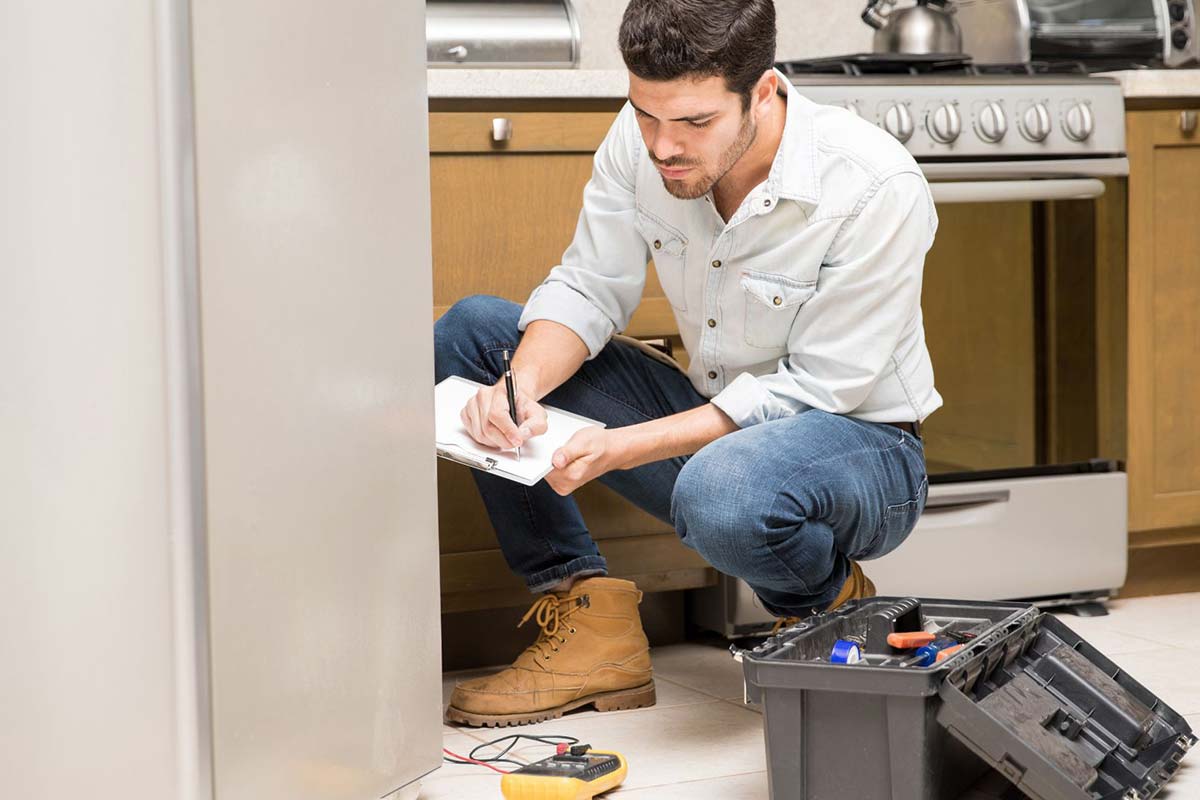
Handyman repairing refrigerator in kitchen

Your refrigerator is one of the hardest-working appliances in your home, running 24/7 to keep your food fresh and safe. However, like any machine, it requires regular maintenance and inspections to function at its best. Neglecting your fridge can lead to higher energy bills, spoiled food, and costly repairs. Here’s why regular fridge inspections are essential and how they benefit your home.

1. Preventing Unexpected Breakdowns

A refrigerator that isn’t properly maintained is more likely to break down unexpectedly, leaving you with spoiled food and costly repairs. Regular inspections help you identify potential issues early, such as:

  • Worn-out gaskets that allow cold air to escape.
  • Dusty condenser coils reducing cooling efficiency.
  • Malfunctioning thermostats affecting temperature control.

Tip: Clean the condenser coils every six months to maintain cooling performance.

2. Reducing Energy Consumption

A poorly maintained fridge consumes more energy, driving up your electricity bills. Common culprits include:

  • Dirty coils that force the compressor to work harder.
  • Leaky door seals allowing cold air to escape.
  • Improper temperature settings straining the appliance.

According to the U.S. Department of Energy, keeping your refrigerator in good condition can save up to 15% on energy costs annually.

3. Extending the Lifespan of Your Fridge

Regular inspections and maintenance can significantly extend your refrigerator’s lifespan, saving you money on premature replacements. Here’s how:

  • Ensure door seals are tight to prevent compressor overwork.
  • Keep the appliance level to avoid uneven wear on components.
  • Monitor and address unusual noises promptly.

Investing a little time in maintenance now can prevent expensive repairs later.

4. Ensuring Food Safety

A malfunctioning fridge can compromise food safety by failing to maintain the proper temperature. This can lead to food spoilage and even health risks. Regular inspections help ensure:

  • The internal temperature stays below 40°F (4°C).
  • There are no leaks or odors inside the fridge.
  • The defrost system is working correctly to prevent frost buildup.

Maintaining a consistent temperature is critical for preserving the freshness of your food.

5. Detecting Early Signs of Problems

Inspections allow you to spot small issues before they become major problems. Look for warning signs like:

  • Unusual noises, such as buzzing or clicking.
  • Excessive frost buildup in the freezer.
  • Water pooling at the base of the fridge.

If you notice any of these signs, explore the topic to find professional solutions for your refrigerator.

How to Perform a Basic Fridge Inspection

While professional inspections are ideal, you can perform a basic checkup at home:

  1. Check the door seals: Close the door on a piece of paper. If you can easily pull it out, the seals need replacing.
  2. Clean the condenser coils: Use a vacuum or brush to remove dust and debris.
  3. Set the correct temperature: Keep the fridge at 37°F (3°C) and the freezer at 0°F (-18°C).
  4. Inspect the drip pan: Remove and clean it to prevent odors and mold growth.

Performing these steps every few months can help keep your fridge in excellent condition.

When to Call a Professional

While regular maintenance can prevent many issues, some problems require expert attention. Contact a professional if:

  • The fridge isn’t cooling properly despite setting adjustments.
  • There’s a persistent noise coming from the compressor or fan.
  • You notice leaks or puddles under the appliance.

Professional repairs can resolve these issues quickly and effectively.

Final Thoughts

Regular fridge inspections are a simple yet effective way to prevent breakdowns, reduce energy consumption, and ensure food safety. By staying proactive, you can extend the life of your refrigerator and save money on repairs. Start your maintenance routine today and enjoy the benefits of a well-functioning appliance for years to come.


Related Posts

Canadian Family choosing vegetables and shopping in supermarket

Canada Groceries & Essentials Benefit 2026: Full Guide for Canadians / Prestation canadienne pour l’alimentation et les produits essentiels 2026 : Guide complet pour les Canadiens

The Canada Groceries & Essentials Benefit (CGEB) is a tax-free payment from the Canada Revenue Agency that helps low- and modest-income Canadians cover the cost of groceries and essential expenses. In 2026, eligible Canadians will receive a one-time payment on June 5 equal to 50% of their GST/HST credit, followed by increased quarterly payments starting in July 2026. No application is required, as eligibility is automatically determined through your tax return. /
L’Allocation canadienne pour l’alimentation et les produits essentiels (ACAPE) est un versement non imposable de l’Agence du revenu du Canada qui aide les Canadiens à faible revenu et à revenu modeste à couvrir leurs dépenses d’épicerie et autres dépenses essentielles. En 2026, les Canadiens admissibles recevront un paiement unique le 5 juin, équivalent à 50 % de leur crédit pour la TPS/TVH, suivi de versements trimestriels plus élevés à compter de juillet 2026. Aucune demande n’est requise, car l’admissibilité est automatiquement déterminée à partir de votre déclaration de revenus.

Person searching on newspaper obituaries in Canada

How to Search Newspaper Obituaries in Canada (Free Archives Guide 2026)

To search newspaper obituaries in Canada, start with local newspaper obituary archives, online obituary databases, genealogy websites, and free newspaper archive collections. Many Canadian newspapers such as the Toronto Star, Globe and Mail, Vancouver Sun, and Montreal Gazette maintain searchable obituary archives that can help confirm deaths, locate funeral notices, and uncover valuable family history information.

Louvered Pergola setup inside a house in Canada

Metal Pergolas vs Traditional Materials: Durability, Style, and Value

Metal pergolas outperform traditional materials like wood and vinyl in durability, maintenance, and long-term value. They resist corrosion, handle harsh weather conditions better, require minimal upkeep, and provide a modern appearance that lasts for years.

Canadian looking for obituary records in newspaper

How to Find Free Obituaries in Canada (2026 Complete Guide)

You can find free obituaries in Canada by searching online obituary websites like Echovita and Legacy.com, checking Canadian newspaper archives, and using cemetery databases such as Find A Grave. Most recent obituaries are publicly available at no cost and can be found by searching the person’s full name along with their location or province.

How to Get Death Records in Canada article image

How to Get Death Records in Canada (2026 Complete Guide)

To get death records in Canada, you must apply through the provincial Vital Statistics office where the death occurred. Canadian death records include death certificates, death registrations, and official extracts used for legal, financial, and genealogy purposes. Access rules, fees, and processing times vary by province, and recent records are often restricted to family members or legal representatives.

Best Genealogy Websites for Canadian Family Research article image a

Best Genealogy Websites for Canadian Family Research (2026 Guide)

If you are researching your family history in Canada, the best genealogy websites in 2026 are Ancestry, FamilySearch, MyHeritage, and Library and Archives Canada. These platforms provide access to Canadian census records, immigration documents, military records, birth and death registrations, and historical archives that help Canadians build detailed family trees and trace generations of relatives across the country and abroad.