
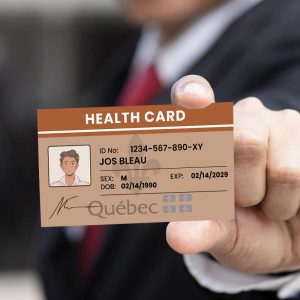
How to Apply for a Quebec Health Card (RAMQ): Step-by-Step Guide for New Residents / Comment demander une carte d’assurance maladie du Québec (RAMQ) : guide étape par étape pour les nouveaux résidents
To get a Quebec Health Card (RAMQ card), gather necessary documents like proof of identity, residency, and immigration status, and complete the application form available online or at RAMQ service points. Submit your application in person, and after approval, you’ll receive your card by mail within a few weeks. Note that new residents often face a three-month waiting period, so temporary health insurance may be needed during that time. /
Pour obtenir une carte d’assurance maladie du Québec (carte RAMQ), rassemblez les documents nécessaires, comme une preuve d’identité, de résidence et de statut d’immigration, et remplissez le formulaire de demande disponible en ligne ou dans les points de service de la RAMQ. Déposez votre demande en personne et, après approbation, vous recevrez votre carte par la poste dans les semaines qui suivent. Veuillez noter que les nouveaux résidents doivent souvent attendre trois mois avant de souscrire une assurance maladie temporaire.
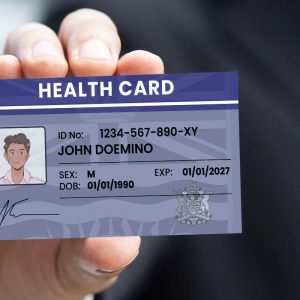
How to Apply for a BC Health Card: A Step-by-Step Guide
To get your BC Health Card, apply for the Medical Services Plan (MSP) online or via a paper application, and then visit an ICBC driver licensing office with two pieces of ID to confirm your residency. Your photo will be taken there, and the card will be mailed to you. For more details, visit the official BC Services Card page.
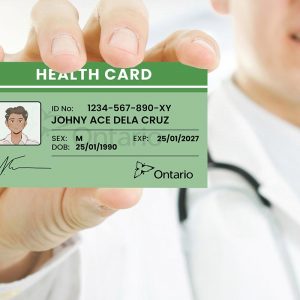
How to Get an OHIP Card: Step-by-Step Guide for Ontario Residents
To get an OHIP card, visit a ServiceOntario centre with proof of Ontario residency (e.g., utility bill), proof of identity (e.g., birth certificate), and proof of citizenship or immigration status (e.g., passport or permanent resident card). Submit your completed application form along with these documents. If eligible, you’ll receive a temporary health card immediately and your official OHIP card will be mailed to you within 4-6 weeks.
How to Get Your Full G License in Ontario: A Complete Guide
To get your full G license in Ontario, you need to hold your G2 license for at least 12 months. Then, book and pass the G road test, which will assess more advanced driving skills, including highway driving. Passing the test upgrades you to a full G license, allowing you to drive with no restrictions.
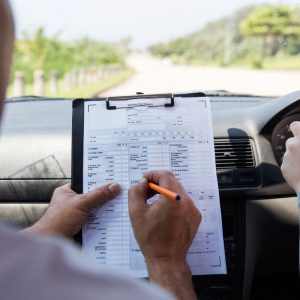
How to Get Your G2 License in Ontario: Step-by-Step Guide
To get your G2 license in Ontario, you need to have held a G1 license for at least 12 months, then book and pass the G2 road test which assesses your basic driving skills. Once you pass, you can drive without a supervising driver, though there are some restrictions for new young drivers.

How to Get Your G1 License in Ontario: A Complete Guide
To get your G1 license in Ontario, ensure you are at least 16 years old, study the Ontario Driver’s Handbook, gather necessary identification, visit a DriveTest Centre, pay the required fees, pass a vision test, and take and pass the written test on road signs and traffic rules. You’ll receive a temporary G1 license immediately, and the official card will be mailed to you.

Buying a House in Canada: 7-Step to Your First Home / Acheter une maison au Canada : 7 étapes pour votre première maison
Embarking on the journey to buy your first home in Canada? Our 7-step to your first home comprehensive guide simplifies the process, offering essential steps and tips to help you navigate the real estate market with confidence. From saving for a down payment to sealing the deal, this guide covers everything you need to know to make your home-buying experience a success. /
Vous vous lancez dans l’achat de votre première maison au Canada ? Notre guide complet en 7 étapes simplifie le processus et vous propose des étapes et des conseils essentiels pour vous aider à naviguer sur le marché immobilier en toute confiance. De l’épargne pour la mise de fonds à la conclusion de la transaction, ce guide couvre tout ce que vous devez savoir pour réussir votre achat immobilier.
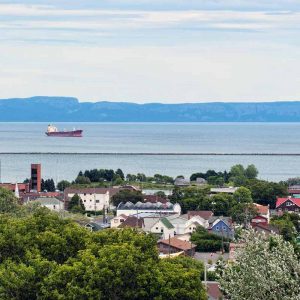
Top 10 Cheapest Places to Live in Canada for 2025: Affordable Living Ranked
For 2025, the top 10 cheapest places to live in Canada are ranked as follows: Thunder Bay, ON; Saint John, NB; Red Deer, AB; Trois-Rivières, QC; Edmonton, AB; Regina, SK; St. John’s, NL; Quebec City, QC; Sherbrooke, QC; and Charlottetown, PEI. These cities offer some of the most affordable living options in the country.

Best Cities to Live in Canada in 2024-2025: Top 10 Places Ranked / Meilleures villes où vivre au Canada en 2024-2025 : classement des 10 meilleures villes
The best cities to live in Canada are generally recognized for their quality of life, job opportunities, access to healthcare, education, safety, and overall amenities. These 10 cities include Montreal (Quebec), Toronto (Ontario), Quebec City (Quebec), Ottawa (Ontario), Vancouver (British Columbia), Calgary (Alberta), Edmonton (Alberta), Halifax (Nova Scotia), Charlottetown (PEI), and Saskatoon (Saskatchewan).

15 Cheapest Places to Live in Canada for 2024-2025 Released / Publication des 15 endroits les moins chers où vivre au Canada en 2024-2025
The article highlights 15 affordable Canadian cities across regions—from small towns to mid‑sized centres—offering low housing costs and reasonable living expenses. Notable mentions include several Quebec cities alongside budget-friendly Atlantic and Western Canadian communities, each providing diverse lifestyles and opportunities without breaking the bank.