


New to Canada?
If you’re new to Canada, don’t miss our Newcomers to Canada: The Ultimate Guide. It covers everything you need to know about settling in Canada, including housing, employment, healthcare, banking, education, government benefits, and much more.
Making money online in Canada is no longer a trend or a side experiment — it’s a real, sustainable way for Canadians to earn income in 2026. With remote work becoming the norm, digital tools more accessible than ever, and global demand for online services growing, Canadians now have countless legitimate opportunities to earn from home.
Canadians of all ages and backgrounds are earning money online — from students and newcomers to freelancers and small business owners. You can build extra monthly income, create a flexible remote career, or even launch a full-time online business with the right strategy and tools.
If you’re looking for a side hustle to supplement your income, a flexible work-from-home job, or a way to replace your 9-to-5 entirely, this guide breaks down 30 proven, legitimate, and beginner-friendly ways to make money online in Canada. These are not “get rich quick” schemes. They are realistic options that Canadians are using right now to earn real money — legally and sustainably.
Why Making Money Online Is More Popular Than Ever in Canada
Several factors have made online income especially attractive to Canadians:
- Rising cost of living across Canada
- More companies hiring remote workers
- Growth of creator and digital economies
- Better online payment platforms for Canadians
- Increased demand for online services worldwide
Unlike traditional jobs, online income offers flexibility, location independence, and often higher earning potential over time.
30 Proven Ways to Make Money Online in Canada (2026)
Many Canadians have found these jobs to be both practical and sustainable, offering a reliable way to earn income in today’s digital economy. With flexible schedules, remote accessibility, and legitimate earning potential, these strategies are well worth considering for anyone looking to improve their financial situation.
1. Freelancing (Writing, Design, Programming, Marketing)
Freelancing is one of the most reliable and flexible ways to make money online in Canada. Freelancers sell their skills directly to clients, which can include writing blog content, designing logos, building websites, managing ads, or providing SEO services. Many Canadian freelancers work with both local and international clients, often benefiting from favourable exchange rates. While beginners may start with smaller projects, freelancers who specialize and build strong portfolios can significantly increase their rates over time. Freelancing allows you to control your workload, choose your clients, and scale into an agency or consulting business if desired.
2. Remote Customer Service Jobs
Remote customer service roles allow Canadians to work from home answering customer questions via phone, email, or live chat. These jobs are popular because they often require minimal experience and provide steady hourly income. Many companies offer flexible schedules, making them suitable for students, parents, or anyone seeking predictable work. While the pay may not scale dramatically, remote customer service is one of the easiest ways to transition into online work and gain remote experience that can lead to higher-paying roles.
3. Virtual Assistant (VA)
Virtual assistants help business owners manage daily operations such as scheduling, email management, customer communication, data organization, and basic marketing tasks. As more businesses operate online, demand for VAs continues to grow across Canada. Many VAs start as general assistants and later specialize in niches like e-commerce, real estate, or executive support, which significantly increases earning potential. This role offers flexibility, recurring income, and long-term client relationships.
4. Online Tutoring
Online tutoring allows Canadians to teach students virtually in subjects like math, science, English, French, coding, or test preparation. Tutors can work with Canadian students or international learners across different time zones. This option is ideal for teachers, university students, or professionals with strong subject knowledge. Online tutoring offers flexible scheduling and reliable hourly pay, making it a popular and stable online income source.
5. Selling Digital Products
Digital products are one of the most scalable ways to make money online. Canadians create items such as ebooks, planners, spreadsheets, templates, and guides, then sell them repeatedly without ongoing production costs. Once created, digital products can generate passive income for years. This method works especially well for people with knowledge in finance, fitness, productivity, education, or small business topics. Marketing and visibility are key, but profit margins are very high.

6. Blogging
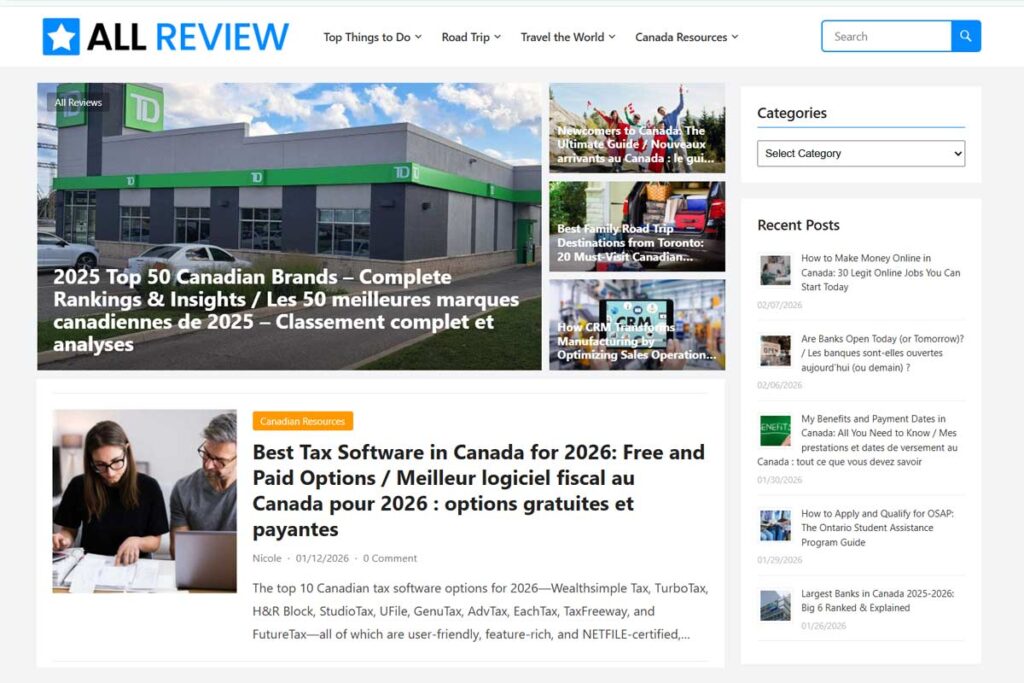
Blogging remains a powerful long-term online income strategy in Canada. If you want to build a sustainable digital income stream, learning how to start a blog in Canada is one of the smartest first steps. Bloggers earn money through advertising, affiliate marketing, sponsored content, and selling digital products.
Canadian blogs perform particularly well when they focus on local topics, reviews, personal finance, travel, or government services. While blogging takes time to grow traffic, successful blogs can generate consistent income with relatively low ongoing effort.
7. Affiliate Marketing
Affiliate marketing involves recommending products or services and earning a commission when someone purchases through your referral link. Canadians often combine affiliate marketing with blogs, YouTube channels, or social media pages. This method works best when paired with honest reviews and helpful content. Over time, affiliate marketing can become a highly passive income stream once content ranks or gains traction.
8. YouTube Content Creation
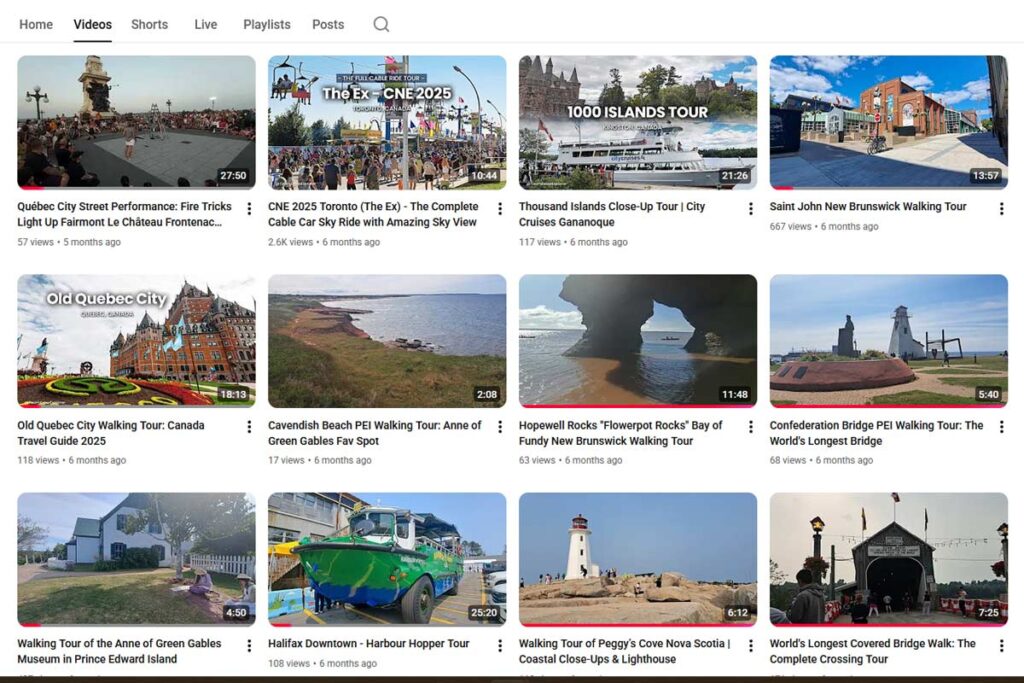
YouTube allows Canadians to monetize videos through ads, sponsorships, affiliate links, and memberships. Popular niches include education, reviews, technology, finance, lifestyle, and tutorials. While growth can be slow initially, YouTube content has long-term value and can generate income years after publication. Many creators combine YouTube with blogs or courses for higher earnings.
9. Dropshipping
Dropshipping is an e-commerce model where you sell products online without holding inventory. When a customer places an order, the supplier ships the product directly. This model reduces startup costs but requires strong marketing, product research, and customer service skills. While competitive, dropshipping can be profitable for Canadians who treat it as a real business rather than a quick scheme.
10. Selling on Etsy
Etsy is a popular platform for Canadians selling handmade items, digital downloads, and printables. Digital products are especially attractive because they require no shipping or inventory. Many sellers start Etsy shops as side hustles and gradually scale them into full-time income streams by expanding product lines and optimizing listings.
11. Online Surveys and Market Research
Online surveys allow Canadians to earn small amounts of money by sharing opinions with research companies. While surveys won’t replace a full-time income, they are easy to do and require no special skills. This option works best as supplemental income during spare time.
12. Stock Photography and Video
Canadians with photography or videography skills can sell their work to stock platforms. Business, lifestyle, and everyday images often perform best. While income builds slowly, a strong portfolio can generate recurring revenue over time.
13. Print-on-Demand
Print-on-demand allows Canadians to sell custom-designed products like t-shirts, hoodies, mugs, and phone cases without holding inventory. Products are only printed after a sale is made. This model reduces risk but requires strong design and marketing strategies.
14. Creating Online Courses
Online courses allow Canadians to package expertise into structured lessons. Courses can be sold repeatedly and paired with coaching or consulting services. While course creation requires upfront effort, it offers excellent scalability and long-term income potential.
15. Social Media Management
Businesses increasingly outsource social media management to professionals who understand content creation and audience engagement. Canadians managing multiple client accounts can earn steady monthly retainers while working remotely.
16. Transcription Services
Transcription involves converting audio or video recordings into text. While entry-level pay is modest, transcription is beginner-friendly and flexible, making it a popular entry point for online work.
17. Selling on Amazon (FBA or Handmade)
Amazon allows Canadians to reach a massive customer base. Sellers can use Amazon’s fulfillment services or sell handmade products. While competition exists, strong product research and branding can lead to consistent profits.
18. Website and App Testing
Companies pay users to test websites and apps for usability issues. This work is flexible, easy to start, and ideal for beginners looking to earn small amounts online.
19. Podcasting
Podcasting allows Canadians to build audiences and monetize through ads, sponsorships, and affiliate marketing. Podcasts work best when paired with blogs, courses, or consulting services.
20. Online Reselling (Flipping)
Reselling involves buying items at low prices and selling them online for profit. Canadians often resell electronics, clothing, and collectibles. This method rewards product knowledge and consistency.
21. AI Content Editing and Prompt Writing
As AI tools become widespread, businesses need help refining AI-generated content and building effective prompts. This emerging field offers strong demand and relatively high pay.
22. Resume and Cover Letter Writing
Professional resume and cover letter writers help job seekers stand out. This service is easy to deliver online and can be packaged for recurring income.
23. Remote Data Entry
Data entry jobs involve organizing or inputting information online. While not high-paying, they are accessible and flexible for beginners.
24. Long-Term Investing
Online investing allows Canadians to grow wealth gradually through disciplined strategies. While not immediate income, investing is a powerful long-term approach to financial stability.
25. Online Workshops and Webinars
Workshops and webinars allow Canadians to monetize knowledge quickly without building full courses. They are often used to validate ideas or supplement other income streams.
26. Web and App Development

Web and app developers remain in high demand. Even simple websites can generate recurring income through maintenance contracts.
27. Online Bookkeeping
Bookkeepers help businesses manage finances remotely. This role offers steady, recurring income and is ideal for detail-oriented individuals.
28. Voice-Over Work
Voice-over artists are needed for ads, audiobooks, and online videos. A simple home recording setup is enough to start.
29. Online Coaching or Consulting
Online coaching allows Canadians to monetize expertise in fitness, career growth, business, or finance. Coaching scales well with group programs and digital products.
30. Managing Paid Ads for Businesses
Running paid ads for businesses is one of the highest-paying online skills. Businesses often pay monthly retainers for reliable results.
Fast vs Long-Term Online Income Options
Some methods pay quickly, while others take time to grow.
Fast income options: Freelancing, virtual assistance, customer service, tutoring, transcription, data entry
Long-term scalable options: Blogging, YouTube, affiliate marketing, courses, coaching, digital products
Many successful Canadians start with fast income and later transition to scalable income.
CRA & Taxes: What Canadians Must Know
Online income is legal in Canada, but it must be reported to the CRA. If your income is regular, you’re generally considered self-employed.
Common deductible expenses include:
- Home office costs
- Internet and phone bills
- Software subscriptions
- Advertising and marketing
- Website hosting
Tracking income properly can significantly reduce taxes owed.
How to Avoid Online Scams
Avoid opportunities that:
- Promise guaranteed income
- Require upfront fees
- Pressure you to act immediately
- Ask for sensitive personal information
Legit online income pays for skills, time, or value — not promises.
Need Personalized Help to Make Money Online? If you want one-on-one guidance, tailored strategies, or expert help setting up your online business, our team at All Review Digital Marketing Services can help.
Request a Free Consultation.
FAQs About Making Money Online in Canada
In addition to the information above, the most commonly asked questions on the topic of Making Money Online in Canada are found below.

Final Thoughts: Is Making Money Online in Canada Worth It?
Yes — but only if you approach it seriously.
Making money online in Canada in 2026 is:
- Legitimate
- Flexible
- Scalable
- Competitive
The most successful people choose one method, commit long-term, build skills, and scale gradually. There are no shortcuts — but there are real opportunities.