

New to Canada?
If you’re new to Canada, don’t miss our Newcomers to Canada: The Ultimate Guide. It covers everything you need to know about settling in Canada, including housing, employment, healthcare, banking, education, government benefits, and much more.
Winter is upon us, which means cold temperatures, snow, and freezing rain. These conditions can be tough on your car, shoes, clothes, hair, and home.
To make it through the winter season comfortably, try these simple and cost-effective DIY (Do-It-Yourself) hacks using everyday household items like dryer sheets, nonstick cooking spray and socks.
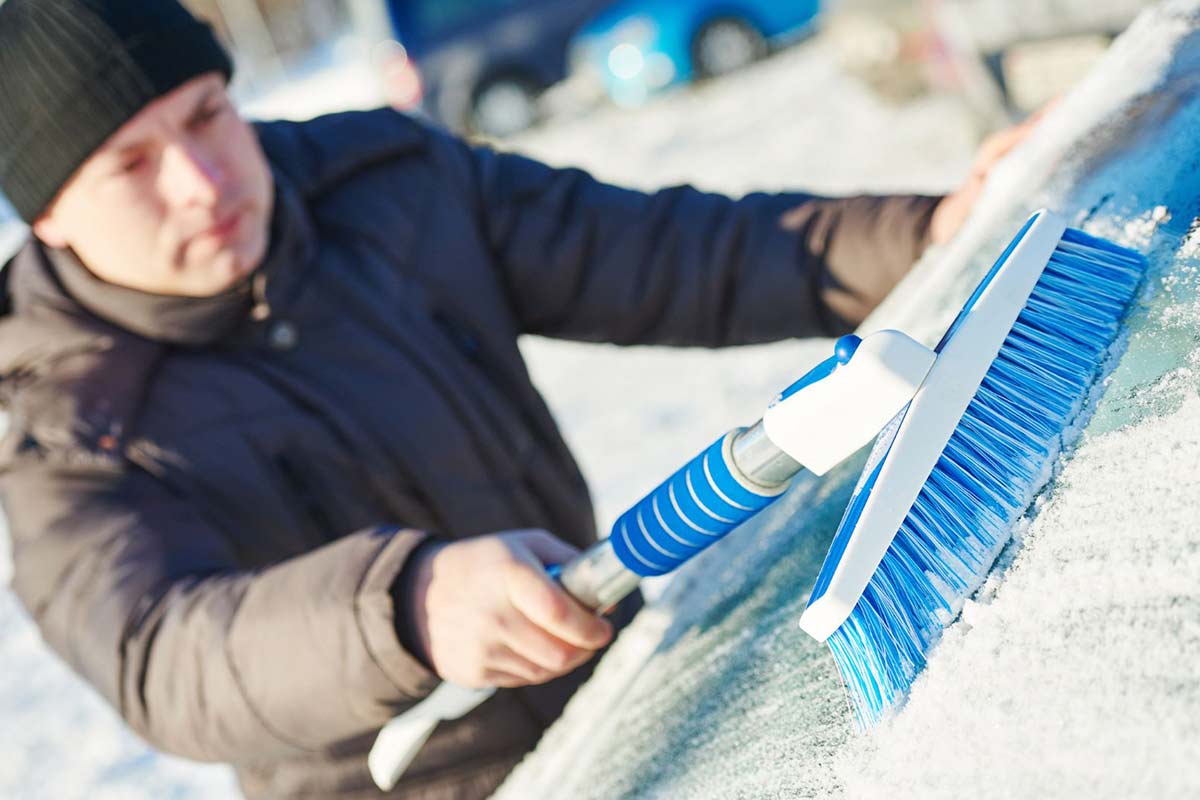
These tips will help you stay warm and dry while minimizing stress and expenses. Get your ice scraper ready and be prepared for the winter chill with these 25 useful winter hacks.
| QUICK LINKS | |
|---|---|
| Winter Driving Tips | Winter Skin Care and Health Tips |
| Winter Hacks for Home | More Cold Weather Life Hacks for Winter |
Winter Driving Tips
1. Side Mirrors Using Plastic Bags
To prevent snow and ice from forming on your car’s side mirrors during a storm, cover them with plastic bags the night before. If you don’t have clothespins, rubber bands can also be used. Alternatively, you can use a gallon-sized Ziploc bag.
2. Tire Tracks to the Rescue
To avoid getting stuck in the snow, it’s a good idea to have a set of tire tracks in your car in case you find yourself in a difficult situation. These tracks can help you get out of the snow if you get stuck.
3. Windshield Wiper Warmers Using Old Socks
To prevent your windshield wipers from freezing to the windshield in areas where snow is expected, you can try leaving them up or placing socks around them. This can help ensure that they are ready for use when needed.
4. Let The Sunlight Do The Work
If you park your car facing east, the sun will help melt the snow on your car as it rises in the sky. This simple and cost-effective hack can save you time and energy on snow removal. Just make sure to clear any snow off your car before driving to ensure your visibility and safety on the road.
5. Hand Sanitizer for The Frozen Door Lock
If you don’t have a deicer on hand, you can use hand sanitizer to thaw a frozen lock. The alcohol in the sanitizer will melt the ice. Just be aware that most hand sanitizers have a high alcohol content that won’t freeze unless the temperature is extremely low (below -50 °F).
6. Multi-Purpose Empty or Used Gift Cards
If you find yourself without an ice scraper or have misplaced it, you can use an old plastic card to scrape the ice off your car windows in the meantime. It’s a temporary solution that can get you through until you can buy a new scraper or find your old one.
7. Keep Off The Ice with Blanket Windshield Covering
Cover your windshield with a piece of blanket to keep ice and snow off it. This simple trick can be especially useful if you have to park your car outside and don’t have access to a garage or carport. You can also use socks to cover the wipers for added protection. In a pinch, the blanket can also be used to provide traction if you get stuck in the snow. Overall, this hack can help save you time and hassle during the winter months.
8. Super WD-40 to The Rescue
Did you know that this super product WD-40 can be used also as a protective layer between the glass and the elements to prevent snow buildup. Simply spray it liberally on your car’s windows, license plates, and side mirrors to help prevent ice and snow from sticking. This can save you time and effort in keeping your car clear during the winter months.
Winter Hacks for Home
9. Badass Bubble Wrap
Save that bubble wrap that comes with packages, as it can be useful during the winter. To help prevent heat loss in your home, simply spray water on your windows and apply plastic bubble wrap to them. This can help insulate your windows and keep your home warm during cold weather.
10. Let There be Light!
To naturally and cost-effectively heat your home, try opening your curtains and letting the sun shine in. This can provide natural light and heat to your home. You can also use the bubble wrap hack to help insulate your windows and keep the warmth inside. Together, these simple techniques can help you stay warm and comfortable during the winter months.
11. Home-Made Weatherstripping
Pool noodles can be used to block drafts coming through the bottom of a door, helping to keep cold air out and warm air in. To do this, cut the noodle to fit around the door and press it into place. This is a simple and inexpensive way to improve the insulation of a room, especially if you have a space heater or other small heating source. By keeping the warm air inside, you can help make your home more comfortable during the winter months.
12. Care to Float?
A cheap and easy way to prolong the life of your winter boots and keep them looking like new is to insert a cut pool noodle into the leg of the boot. This simple trick, which only costs about $1, will help the boots maintain their shape and prevent them from cracking. By using this tip, you can save money on buying new boots every year and keep your current pair looking good for longer.
13. Ceiling Fan Direction Change Keep Your Home Warm for Less
To help circulate warm air that is trapped near the ceiling back down into the room, locate the switch on the motor housing of your ceiling fan and change the direction of the blades. This can help distribute the warm air more evenly throughout the room and make it feel more comfortable. Be sure to check the manufacturer’s instructions for your particular fan to ensure you are using it correctly and safely.
14. Weak Heater? Oven to The Rescue
In addition to being a great way to cook food, your oven can also help warm up your home. After you’re done using it, try leaving the door open to allow the heat to circulate into the room. This is a particularly useful trick for people who don’t have central heating. Just be sure to use caution when leaving the oven door open and keep it out of reach of children and pets.
15. Spray Cooking Oil on The Shovel
You can use nonstick cooking spray to keep snow and ice from sticking to your shovel, just like it prevents food from sticking to pots and pans. Simply spray a generous coat of the oil onto your shovel before using it to clear snow and ice. The oil acts as a lubricant, making it easier to shovel and helping to prevent the snow and ice from sticking to the shovel. This can make your winter shoveling tasks quicker and easier.

Winter Skin Care and Health Tips
16. Vicks Bath Bombs
To help alleviate congestion and open your airways during cold and flu season, you can make a shower or bath bomb using Vicks VapoRub and a mixture of cornstarch and water. Simply combine the ingredients and roll them into a ball, then allow it to harden.
When you’re ready to use it, place the bomb in the shower or bath and let the steam and the bomb’s ingredients work together to help clear your airways. This can be a soothing and effective way to help relieve congestion and breathing difficulties during the winter months.
17. Get Out in The Sunlight to Boost Your Health
Spending time in natural light, even on cloudy days, can help improve your mood and overall well-being. Just because it’s cold outside doesn’t mean the sun isn’t shining. Take a few minutes each day to go outside and soak up some of the sun’s rays. This can help lift your spirits and provide a welcome boost during the winter months when it can be easy to feel down.
18. Men Can Do It Too
Applying a hot towel or hot water bottle to the stomach area can be an effective way to alleviate pain and discomfort during menstruation. This trick can be used by both men and women and is portable, making it convenient to use wherever you are. It’s a simple and effective way to provide some relief and warmth during the winter months or any time of year.
19. Dry Heat or Moisture?
While it may be tempting to take long, hot showers to warm up during the winter, this can actually contribute to dryness of the skin. Instead, try taking lukewarm showers to help preserve your skin’s natural oils and reduce dryness.
This simple change can help keep your skin hydrated and healthy during the colder months. Be sure to use a moisturizing soap and follow up with a good moisturizer after your shower to further protect your skin from the drying effects of winter weather.
20. Garlic Help Boosts Immunity
Looking for a natural way to boost your immunity and protect against colds and flu? Try adding more garlic to your diet during the winter months. Garlic has natural antibiotic, antifungal, and antiviral properties and can be helpful in fighting off infections. To incorporate more garlic into your diet, try adding it to your winter soups and other dishes. This simple tip can help you stay healthy and feeling your best during the colder months.
21. No More Dry, Cracked and Cut Lips with Petroleum Jelly
If you’re out of lotion and need a quick fix for dry, cracked skin, chapped lips, or cuts on your fingers, try using petroleum jelly. Petroleum jelly is an excellent moisturizer that locks in moisture and helps your skin recover more quickly from dryness. It’s a versatile beauty hack that can be used for a variety of skin problems and is especially useful during the winter months when dryness is common. Keep a jar of petroleum jelly on hand for all of your winter skincare needs.

More Cold Weather Life Hacks for Winter
22. Fun in The Cold
To create a fun winter activity for kids, mix soap and water to make bubbles, or use a bubble gun toy from the dollar store. Then go outside and blow the bubbles into the air. As the bubbles land on the ground, they will freeze and become a natural and beautiful winter ornament. This is a simple and inexpensive way to bring some magic and wonder to the winter season.
23. Time to Channel Your Inner Penguin
To stay safe and avoid slipping on icy roads or sidewalks, try walking like a penguin. Penguins walk with their toes pointed forward, taking small steps and keeping their arms out for balance. This technique can help you maintain your footing in slippery conditions and reduce the risk of falling. Just remember to take it slow and steady, and you’ll be able to navigate icy surfaces with confidence and grace.
24. Duct Tape to The Rescue
Duct tape is known for its versatility and can be used for a wide range of tasks around the house. But did you know that it can also be a lifesaver in certain situations? For example, duct tape is highly flammable and can be used to start a fire in the wilderness if you find yourself stranded and need a heat source to stay warm. Just be sure to use caution when starting a fire and follow all safety guidelines to avoid accidents. Duct tape may be a useful tool, but it’s always important to use it responsibly.
25. DIY Cleats
For runners who want to maintain their fitness routine during the winter months, finding a good pair of running shoes that can withstand the snow can be challenging. Instead of investing in specialized equipment like snowshoes or cleats, you can create a better grip under your shoes by adding screws to the bottom. This simple hack can help you keep your footing on slippery surfaces and continue your training even in the midst of a winter storm. Just be sure to use caution and start with a small number of screws until you find the right amount of traction for your needs.
What are your favorite hacks for surviving and thriving during the winter season? If so, we’d love to hear them! Let us know what works for you and we can work together to make it through the winter season in style.
Conclusion
Surviving a Canadian winter doesn’t require expensive gear or complicated solutions—just some creativity, resourcefulness, and a little DIY spirit. The 25 hacks shared in this guide offer practical, everyday fixes to help you stay warm, safe, and comfortable throughout the season. From protecting your car with plastic bags and old socks to using dryer sheets to keep your boots dry, these tips turn ordinary household items into winter lifesavers. Whether you’re a seasoned Canadian or new to the cold, these hacks empower you to embrace winter with confidence and ease. So, gather your supplies, get crafty, and make this winter your coziest yet.