

If you live in Canada—whether in Toronto, Montreal, or Moose Jaw—you likely receive some form of government benefits. These payments can be a lifeline for seniors, families, workers, and low-income households. But knowing what you’re eligible for and when the money lands in your account can be confusing. That’s why we’ve put together this ultimate 2026 guide to benefits and payment dates in Canada.
We’ll cover major programs like CPP, OAS, GST/HST credits, CCB, OTB, and others—plus provide the 2026 payment schedule and answers to the most Googled questions by Canadians just like you.
Canadian Dental Care Plan (CDCP)
The Canadian Dental Care Plan is a new federal program that provides dental coverage to uninsured Canadians with lower incomes. Rolled out in phases starting in 2024, it covers essential dental services like cleanings, fillings, X-rays, and root canals.
It’s a game-changer for millions of Canadians who previously avoided dental care due to cost. To be eligible, you must have an annual family income under $90,000 and no access to private insurance.
Coverage Includes:
- Exams, preventive care, restorations (like fillings), root canals, extractions, and more.
- Must meet income and insurance eligibility criteria.
Application and Rollout:
- Seniors and children were prioritized in 2024.
- Disability Tax Credit (DTC) holders also now open.
- All eligible Canadians can apply in 2026 through the CRA.
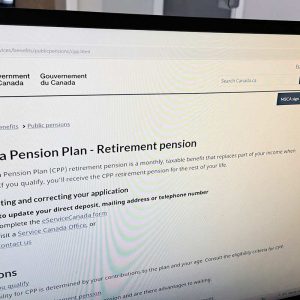
Canada Pension Plan (CPP)
The Canada Pension Plan is a cornerstone of retirement income for millions of Canadians. If you’ve worked and contributed to CPP through your paycheques, you’ve been building toward these benefits. It’s not just for retirement, either — the CPP provides financial support in the event of disability or death, helping families and survivors cope with unexpected hardship. The amount you receive depends on how much and how long you’ve contributed, as well as the age you start collecting.
What’s Included:
- Retirement Pension: Starts as early as age 60 (with a reduced amount) or as late as age 70 (with an increased amount). Payments are monthly and continue for life.
- Disability Benefit: For contributors under 65 who are unable to work due to a severe and prolonged disability.
- Children’s Benefit: Monthly support for dependent children (under 18, or up to 25 if in school) of a disabled or deceased CPP contributor.
- Survivor’s Pension: Monthly benefit paid to the surviving spouse or common-law partner of a deceased contributor.
Payment Dates:
Payments are typically made on the last business day of each month. Examples for 2026 include:
- August 27, 2026
- June 26, 2026
- July 29, 2026
Old Age Security (OAS)
Old Age Security is another pillar of Canada’s retirement income system, but unlike CPP, it doesn’t rely on your work history. It’s based on your age and how long you’ve lived in Canada after turning 18. OAS helps older Canadians maintain a basic standard of living and includes supplements for those who need extra support.
What’s Included:
- OAS Pension: Available to most Canadians 65 and older. The amount may be reduced or clawed back if your income exceeds a certain threshold.
- Guaranteed Income Supplement (GIS): Extra non-taxable money for low-income seniors receiving OAS.
- Allowance: For 60-64-year-olds whose spouse or partner is receiving GIS. Designed to help couples bridge the gap until both qualify for OAS.
- Allowance for the Survivor: For low-income widowed Canadians aged 60 to 64 who haven’t remarried.
Payment Dates:
OAS payments usually align with CPP dates, such as:
- June 26, 2026
- July 29, 2026
- August 27, 2026
GST/HST Credit
The GST/HST credit is a quarterly, tax-free payment that helps lower-income Canadians offset the GST or HST they pay. It’s automatically calculated based on your income tax return and may include provincial or territorial supplements.
Eligibility:
- Based on your net income and whether you have a spouse or dependent children.
- Paid even if you pay no income tax, but you must file a return to be eligible.
Payment Dates:
- January 3, 2026
- April 3, 2026
- July 3, 2026
- October 2, 2026
Did You Know
- Filing Your Taxes Opens the Door to Most Benefits. Even if you don’t owe anything or have no income, filing your income tax return is the key to unlocking federal and provincial benefits. It’s how the government assesses your eligibility and payment amounts.
- You Can Receive Multiple Benefits at Once. Canadians often qualify for several benefits at the same time. For example, a senior could be receiving CPP, OAS, GIS, and the GST/HST credit — all while also getting the Canada Carbon Rebate and Ontario Trillium Benefit if eligible.

Canada Child Benefit (CCB)
The CCB is one of the most important benefits for Canadian families. It provides a monthly, tax-free payment to help with the cost of raising children under 18. Amounts are based on family income, number of children, and their ages. Families with children who have disabilities may also receive the Child Disability Benefit.
What’s Included:
- Adjusted annually based on your tax return.
- Includes provincial and territorial child benefits like the Ontario Child Benefit.
Payment Dates:
- June 19, 2026
- July 20, 2026
- August 20, 2026
- September 21, 2026
Ontario Trillium Benefit (OTB)
The Ontario Trillium Benefit is a monthly payment for residents of Ontario that combines three provincial tax credits. It’s designed to help with energy costs, property taxes, and the sales tax burden, particularly for those with low to moderate incomes. You must apply through your income tax return each year to be considered.
Components:
- Ontario Energy and Property Tax Credit (OEPTC): Helps with property taxes or rent.
- Northern Ontario Energy Credit (NOEC): Extra relief for those living in Northern Ontario.
- Ontario Sales Tax Credit (OSTC): Helps offset the cost of the provincial portion of the HST.
Payment Dates:
- Paid on or around the 10th of each month (e.g., June 10, July 10)
Advanced Canada Workers Benefit (ACWB)
The Canada Workers Benefit is a refundable tax credit for working Canadians with low income. With the Advance option, eligible individuals and families can receive up to 50% of their benefit in quarterly instalments, helping provide more frequent financial relief throughout the year.
Who Qualifies:
- Earned working income
- Income must fall below program thresholds
- Based on the previous year’s tax return
Payment Dates:
- January 12, 2026
- April 10, 2026
- July 10, 2026
- October 9, 2026
Alberta Child and Family Benefit (ACFB)
This benefit supports families in Alberta with children under 18. It’s made up of two parts — a base amount for all eligible families and an additional working income component for those who have earned income. The ACFB is automatically calculated when you file your income taxes.
Components:
- Base benefit based on family size and income.
- Additional support if you have earned income.
Payment Dates:
- February 27, 2026
- May 27, 2026
- August 27, 2026
- November 27, 2026
Veteran Disability Pension
This tax-free monthly payment is available to Canadian Armed Forces Veterans and certain survivors or dependents. It’s designed to compensate for disabilities resulting from military service and may be increased depending on the severity of the condition and other factors.
Eligibility:
- Must have a service-related injury or illness.
- Surviving spouses or dependents may also qualify.
Payment Dates:
- Paid monthly on the same schedule as CPP and OAS (e.g., June 26).
Just arrived in Canada? Along with learning about benefits, it’s important to understand the bigger picture. Visit Newcomers to Canada: The Ultimate Guide for everything you need to know about settling in, step by step.
Canada Carbon Rebate (CCR)
The Canada Carbon Rebate helps offset the cost of the federal carbon tax in provinces where the federal fuel charge applies. Previously claimed through your tax return, it’s now delivered as a direct deposit or cheque in quarterly instalments.
Key Details:
- Amount depends on your province, marital status, and number of children.
- You must file your taxes to receive the payment, even if you have no income.
Payment Dates:
- January 15, 2026
- April 15, 2026
- July 15, 2026
- October 15, 2026

FAQs About Canada Benefits
To help you better understand about Canada benefits, here are some frequently asked questions and their answers:
Conclusion
There’s a lot packed into Canada’s benefit system, but once you understand what’s out there, it becomes easier to navigate. Whether you’re a senior, a parent, a veteran, or a low-income worker, there’s likely support waiting for you.
Keep those payment dates handy, file your taxes on time, and make sure your CRA and Service Canada accounts are up to date. You’ve earned these benefits, so make sure you get every dollar you’re entitled to.
Additional Resources and Support
- CDCP – Overview | Statistics | Contacts
- More Benefits from Canada Government website