
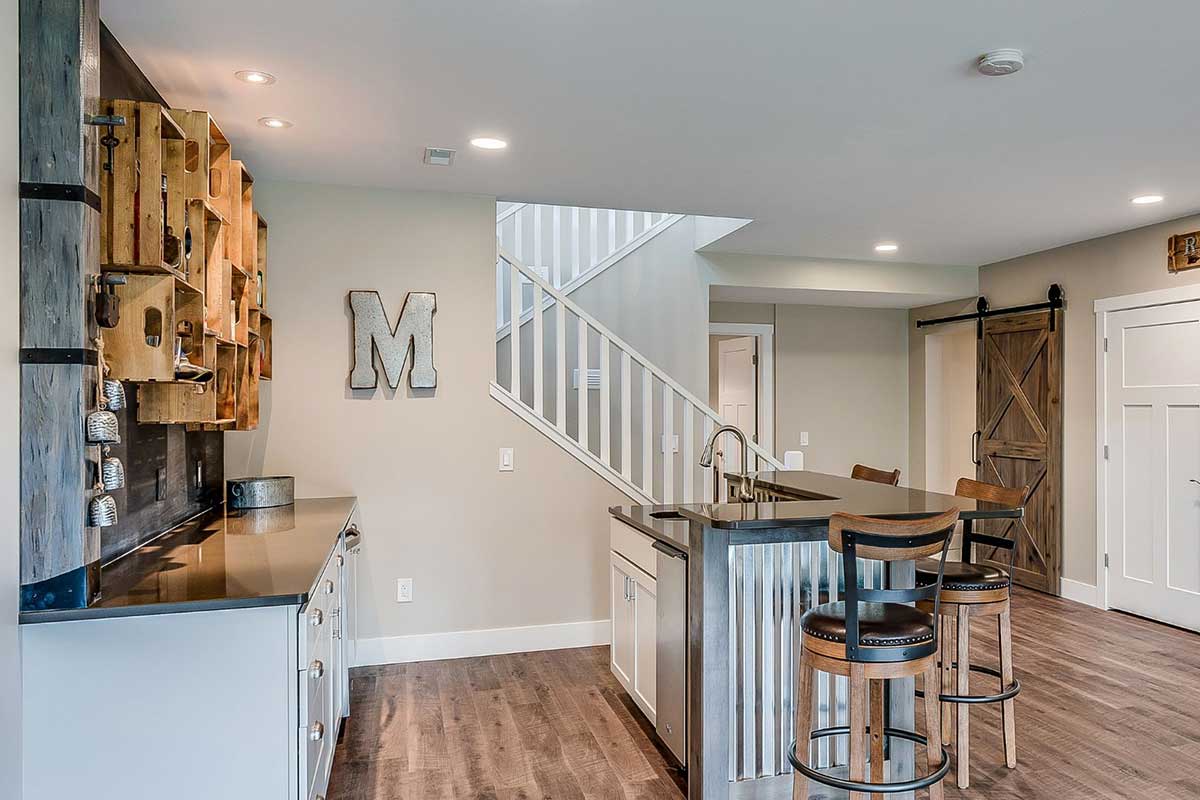
Thinking about transforming that empty basement into something spectacular? Hold your horses – and your sledgehammer. “Building becomes architecture only when the mind of man consciously takes it and tries with all his resources to make it beautiful” as Frank Lloyd Wright once noted, and nowhere is this truer than with basement development.
Let’s face facts: basement projects aren’t just about slapping some drywall up and calling it a day. They’re complex undertakings that can either add tremendous value to your home or become expensive headaches. The key lies in proper planning from the get-go.
The Foundation of Success: Planning and Purpose
Before you even think about swinging that first hammer, ask yourself the million-dollar question: what exactly do you want this space to become? Are you dreaming of a cozy family room where Netflix marathons happen? A killer home gym that would make your expensive gym membership obsolete? Maybe a rental suite to help with those mortgage payments?
Here’s where many homeowners stumble. They dive in without a clear vision, then wonder why the space feels awkward or doesn’t serve their needs. Take time to really think through how you’ll use the space. Consider your family’s lifestyle, your long-term plans, and yes, even your budget – we’ll get to that fun topic shortly.
The beauty of planning properly is that finished basements can typically add around 70% to 80% of their renovation cost to the overall value of a home. That’s some serious return on investment potential, but only if you do it right.
Money Talks: Understanding the True Costs
Speaking of budgets, let’s talk numbers. It costs about $38.62 to $73 a square foot to finish a basement, yielding a 50% to 75% ROI. For a 1,000-square-foot basement, you’re looking at anywhere from $38,620 to $73,000. Yikes, right?
But here’s the thing – those figures can vary wildly based on several factors:
- Quality of materials – Going with luxury vinyl plank versus ceramic tile makes a huge difference
- Complexity of the layout – Open concept versus multiple rooms with custom features
- Mechanical work required – New electrical, plumbing, or HVAC systems
- Waterproofing needs – Essential but often overlooked cost
- Local labor costs – Varies significantly by region
Smart homeowners always add a 15-20% contingency buffer. Trust me, you’ll thank yourself later when unexpected issues crop up.
The Legal Maze: Permits and Building Codes
Ah, permits. The paperwork that makes grown contractors weep. But here’s why they matter more than you think.
In Calgary, basement development projects must adhere to the Alberta Building Code, which sets out specific requirements for residential construction. Similar requirements exist across Canada, and ignoring them isn’t just risky – it’s potentially catastrophic for your wallet.
You’ll typically need permits for:
- Structural alterations or framing
- Electrical work
- Plumbing installations
- Creating secondary suites
- Adding or modifying windows and exits
The permit process might seem like bureaucratic nonsense, but it’s actually protecting you. Building permits ensure that your renovation adheres to strict safety standards, minimizing the risk of accidents or hazards. Plus, when it comes time to sell, buyers want to see those permits. No permits? Prepare for complications at closing.
The Water Factor: Moisture Management
Let’s talk about every basement developer’s nemesis: moisture. Basements and water have a complicated relationship – one that can ruin your beautiful new space faster than you can say “mold remediation.”
Basements are prone to moisture issues, so it’s crucial to address any potential water problems before beginning the renovation. This isn’t optional – it’s absolutely essential.
Consider these moisture-fighting strategies:
- Proper exterior grading and drainage
- Interior waterproofing systems
- Vapour barriers during construction
- Adequate ventilation systems
- Dehumidification solutions
The investment in moisture control might seem expensive upfront, but it’s nothing compared to the cost of fixing water damage after the fact.
Professional Help: When to Call in the Experts
Here’s where some homeowners get a bit too ambitious. YouTube University is great for learning how to change a tire, but basement development? That’s a different beast entirely.
For successful Okotoks basement development, you’ll likely need a team of professionals including contractors, electricians, plumbers, and possibly structural engineers. Each brings specialized knowledge that ensures your project meets codes and functions properly.
The DIY approach might save money initially, but mistakes can be costly. As Wright famously said, “A doctor can bury his mistakes, but an architect can only advise his clients to plant vines”. In basement development, mistakes are even harder to hide.
Timeline Reality Check
Patience, grasshopper. Typically for residential buildings, it may take up to 30 days for a development permit to be processed, and that’s before construction even begins.
Once work starts, expect:
- 2-4 weeks for planning and permits
- 1-2 weeks for waterproofing and prep work
- 3-6 weeks for framing, electrical, and plumbing
- 2-3 weeks for insulation, drywall, and finishing
- 1-2 weeks for flooring and final touches
Weather, material delays, and unexpected issues can extend these timelines. Plan accordingly, and don’t promise the kids their new playroom will be ready by next month.
Design Considerations That Actually Matter
Now for the fun part – designing your space! But before you get carried away browsing Pinterest, consider these practical elements:
Ceiling Height: Most codes require minimum 7-foot ceilings, but taller feels better. If your basement currently has low ceilings, investigate options for lowering the floor or raising the ceiling – though this requires professional structural evaluation.
Natural Light: Creative ways to add in windows and light will be very popular in 2024. Consider egress windows, light wells, or even strategically placed mirrors to maximize brightness.
Storage Solutions: Incorporating sensible storage options is an absolute necessity when undergoing a basement remodel. Built-in storage keeps the space organized and maximizes usable area.
Flexibility: Design spaces that can evolve with your needs. Today’s home office might become tomorrow’s nursery.
The Market Reality Check
Let’s be honest about market conditions. More than half of Canadians renovated their home last year for personal/non-ROI purposes, with three-in-ten (29 per cent) choosing to renovate for non-essential “lifestyle” reasons.
This shift suggests that while ROI matters, personal enjoyment and lifestyle improvement are equally important considerations. Don’t just think about resale value – think about how this space will improve your daily life.
Safety First: Non-Negotiable Elements
Some things simply cannot be compromised on:
- Fire safety: Proper egress windows and smoke detectors
- Structural integrity: Don’t remove load-bearing elements without engineering approval
- Electrical safety: GFCI outlets in areas prone to moisture
- Air quality: Proper ventilation prevents mold and ensures healthy indoor air
- Emergency access: Clear escape routes in case of emergency
These aren’t suggestions – they’re requirements that could save lives.
The Bottom Line
Basement development isn’t a weekend project – it’s a significant investment in both time and money that requires careful planning, professional guidance, and realistic expectations. But when done right, it can transform unused space into valuable, functional area that enhances both your lifestyle and your home’s value.
The key is approaching the project with eyes wide open, understanding the challenges ahead, and planning for success from day one. Don’t rush the planning phase – as they say, measure twice, cut once. Or in this case, plan thoroughly, build once.
Your future self – and your bank account – will thank you for taking the time to consider all these factors before breaking ground on your basement transformation.