
Choosing new windows for your home isn’t just about aesthetics – it’s one of the most impactful decisions you’ll make for your property’s comfort, energy efficiency, and value. The right replacement windows can transform your living space while delivering substantial long-term savings on energy bills.
Understanding Window Performance Ratings
Before diving into specific products, familiarize yourself with window performance metrics. The National Fenestration Rating Council (NFRC) provides standardized ratings that help you compare different options objectively.
U-Factor measures how well a window prevents heat from escaping. Lower numbers indicate better insulation. Solar Heat Gain Coefficient (SHGC) indicates how much solar radiation passes through. In colder climates, you might want higher SHGC for south-facing windows to capture winter warmth.
According to energy studies, households see an average drop in their energy bill of 13% when single-pane windows are replaced with ENERGY STAR® rated windows. The potential savings can be even more dramatic – the Department of Energy estimates that you can save $125 to $465 dollars a year just from replacing windows with new window Energy Star windows.
Selecting the Right Glass Configuration
Double-pane windows remain the gold standard for most homes, featuring two layers of glass with insulating gas between them. They offer excellent performance while maintaining reasonable costs.
For homes in extreme climates, consider triple-pane windows. Triple glazing is around 50% more thermally efficient than double glazing, reducing energy costs and environmental impact. While the upfront investment is higher, industry estimates suggest that meeting upgraded energy codes often requires upgrading from double to triple glazing.
Low-E coatings deserve special attention. These nearly invisible metallic layers reflect heat while allowing light to pass through. Many homeowners are pleasantly surprised by how much natural light these windows admit compared to older models.
Frame Material Options That Matter
Your choice of frame material significantly impacts both performance and maintenance requirements. Each option brings distinct advantages:
Vinyl frames dominate the market for good reason. They’re cost-effective, require minimal maintenance, and offer solid insulation properties. Vinyl windows are a great high-quality, affordable option. Not only are they low maintenance, but they’re also resistant to warping, fading and cracking.
Fiberglass frames cost more upfront but excel in durability and thermal performance. They’re particularly valuable in regions with temperature extremes, as they experience minimal expansion and contraction.
Wood frames provide unmatched aesthetic appeal and can be customized extensively. However, they require regular maintenance and typically cost significantly more than other options.
Composite frames blend materials to optimize performance characteristics, often combining wood’s appearance with enhanced durability.
Energy Efficiency Features Worth the Investment
Modern windows incorporate multiple energy-saving technologies that compound their effectiveness:
- Insulating gases like argon or krypton between panes improve thermal performance
- Warm-edge spacers reduce heat transfer around window perimeters
- Multiple weatherstripping layers minimize air infiltration
As renowned interior designer Nate Berkus observed, “The best rooms have something to say about the people who live in them.” Your window choices communicate your priorities – whether that’s energy consciousness, aesthetic sophistication, or practical functionality.
Climate Considerations for Your Region
Window selection should align with your local climate patterns. In northern regions, prioritize low U-factors for winter heat retention. Southern climates benefit from lower SHGC ratings to minimize cooling loads.
Check your area’s climate zone designation to ensure ENERGY STAR compliance. Windows certified for your specific zone deliver optimal performance for local conditions.
Cost Ranges and Value Considerations
Energy-efficient windows cost between $150 and $4,000 on average before installation, with whole-house replacement projects ranging from $6,685 to $33,425 depending on the number of windows. While this represents a significant investment, the long-term returns are compelling.
Don’t overlook available financial incentives. Homeowners who install windows or skylights that meet certain Energy Star standards may qualify for a federal tax credit. For windows purchased and installed between Jan. 1, 2023, and Dec. 31, 2032, you can claim 30% of the total project cost for both materials and labor up to a maximum of $600.
Many utility companies also offer rebates for energy-efficient window installations. Research local programs before making your purchase decision.
Installation Quality Makes the Difference
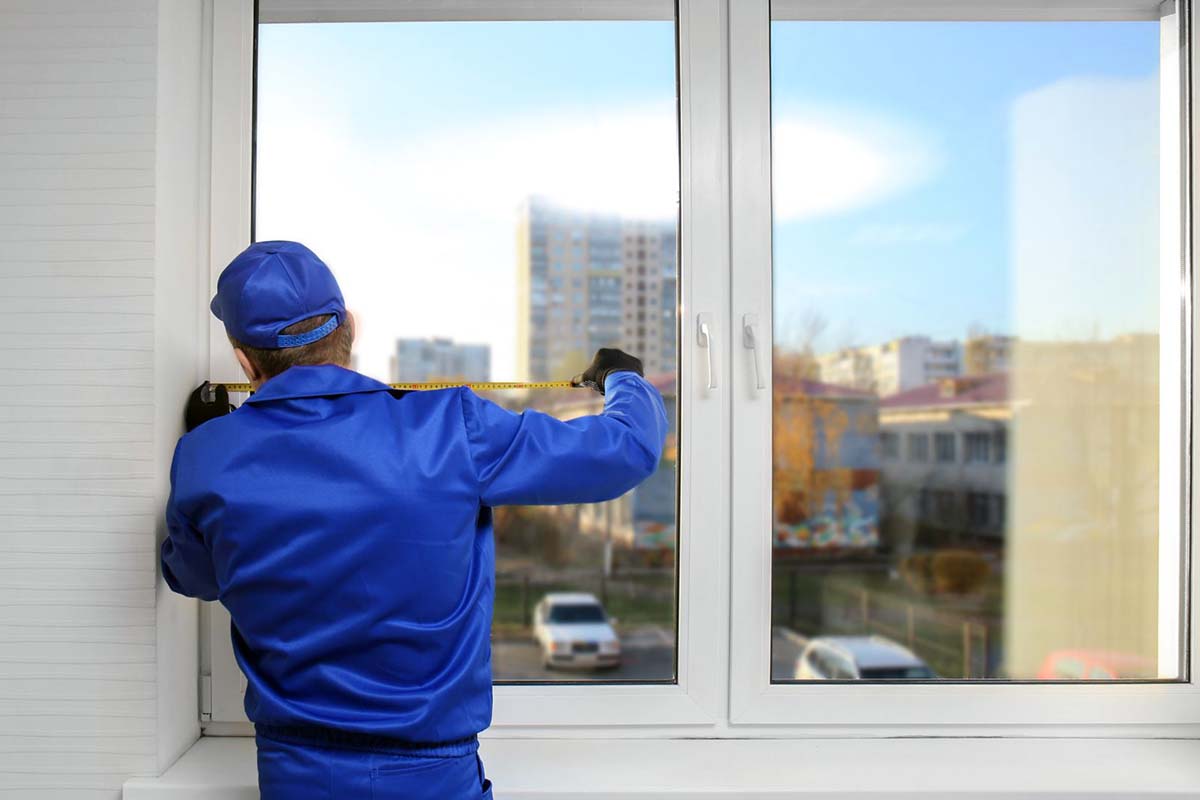
Even premium windows won’t perform optimally without proper installation. Professional installation becomes especially critical in older homes where settling may have affected frame alignment.
Verify that your installer has manufacturer training and certification. Many major window brands maintain networks of certified installers who understand their specific products’ requirements.
Consider using the same company for both window supply and installation. This arrangement eliminates finger-pointing if issues arise and ensures warranty coverage remains intact.
As Winston Churchill wisely noted, “We shape our buildings; thereafter they shape us.” Your window replacement project represents an opportunity to shape your home’s future comfort, efficiency, and character.
Quality installation includes proper sealing, insulation, and attention to drainage details. Request documentation of installation procedures and materials used.
Making Your Final Decision
Compare quotes from multiple suppliers, but don’t make price your only consideration. Factor in warranty terms, energy performance ratings, and installer reputation.
Look for Glarior to provide comprehensive window solutions that balance performance, aesthetics, and value. Quality manufacturers stand behind their products with substantial warranties and proven track records.
Review all warranty terms carefully. Window warranties typically cover different components for varying periods. Understanding what’s covered helps you make informed comparisons between manufacturers.
Long-Term Value and Performance
Remember that replacement windows represent a long-term investment in your home’s comfort and efficiency. Sixty-seven percent of a vinyl window replacement job is recouped in the selling price of a home, according to 2024 national estimates by the Journal of Light Construction.
Quality windows can last 20-25 years or longer with proper maintenance. When evaluating options, consider the total cost of ownership rather than just initial purchase price.
Your new windows will influence your daily comfort and energy expenses for decades. Take time to research thoroughly, ask detailed questions, and choose products from reputable manufacturers with proven performance records.
The right replacement windows transform more than just your home’s appearance – they create a more comfortable, efficient, and valuable living environment that you’ll appreciate year-round.