

Canada is famous for its long winters, snow-covered landscapes, and cold temperatures. However, many people are surprised to learn that several parts of the country enjoy milder climates, warmer temperatures, and even long sunny seasons. From the coastal cities of British Columbia to southern Ontario communities near the Great Lakes, there are many places in Canada where the weather is more comfortable throughout the year.
Whether you are planning to relocate, retire, or simply want to escape the harshest winter conditions, choosing a city with a warmer climate can significantly improve your quality of life. Some regions benefit from ocean influences, while others enjoy southern latitude or sunshine-rich climates that help moderate temperatures.In this guide, we explore the warmest places to live in Canada, including cities with mild winters, sunny climates, and comfortable year-round temperatures. You’ll also discover the best warm locations in each province, affordable warm cities, and small towns that offer pleasant weather for residents.
Why Some Places in Canada Are Warmer Than Others
Canada is the second-largest country in the world, and its climate varies significantly depending on geography, elevation, and proximity to water. Several factors influence why some cities experience milder temperatures than others.
One of the biggest influences is proximity to oceans. Coastal cities, especially those along the Pacific Ocean in British Columbia, experience milder winters because ocean water retains heat and helps moderate temperature swings. This is why cities such as Victoria and Vancouver rarely experience the extreme cold common in other parts of Canada.
Another important factor is southern latitude. Cities located farther south tend to receive more sunlight and slightly warmer temperatures. For example, Windsor, Ontario sits at the southernmost point of Canada and benefits from warmer weather compared to most other Ontario cities.
Large bodies of water, such as the Great Lakes, also help regulate temperatures. These lakes store heat during the summer and release it slowly in the winter, helping nearby cities maintain slightly warmer winter temperatures.Finally, mountain ranges and geographic features can block cold Arctic air. In British Columbia, the Rocky Mountains help shield parts of the province from extreme cold, allowing some regions to maintain milder climates than the rest of Canada.
What Is the Warmest Place in Canada?
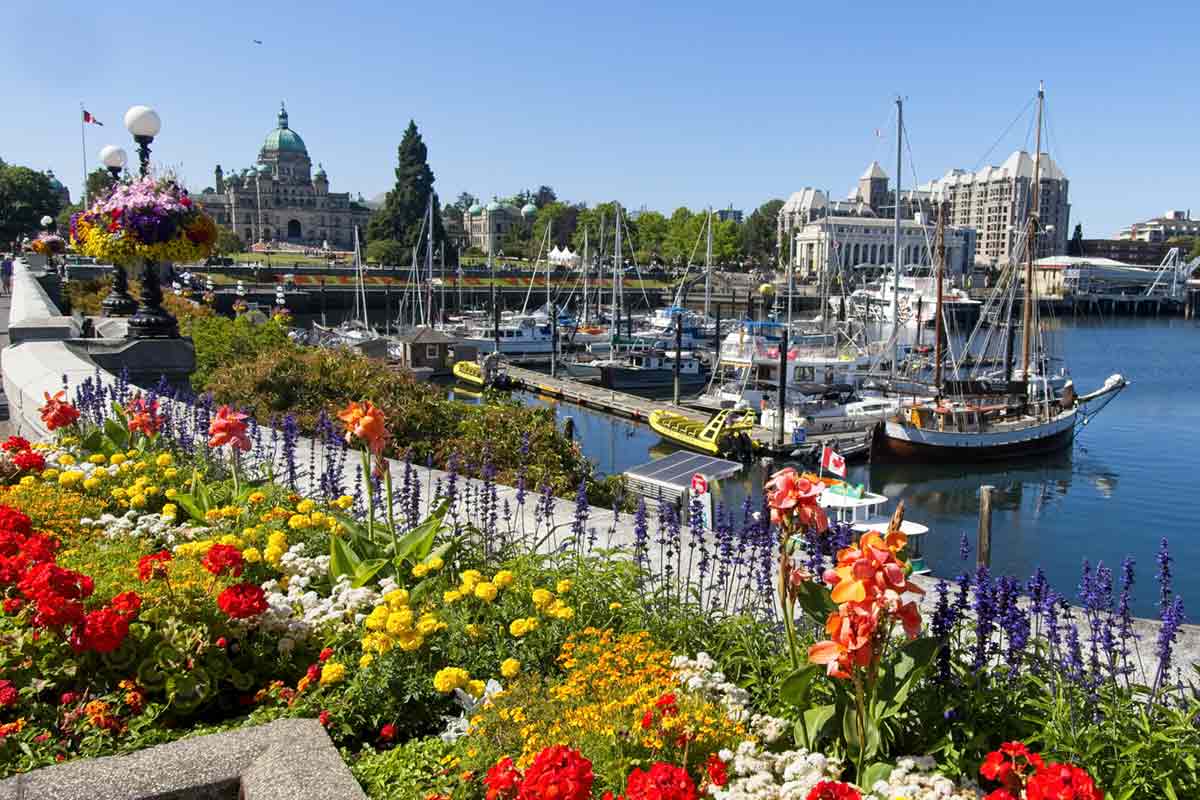
When discussing the warmest places in Canada, Victoria, British Columbia consistently ranks at the top of the list. Located on Vancouver Island, Victoria enjoys a mild coastal climate that keeps winter temperatures relatively comfortable compared to most Canadian cities.
Winter temperatures in Victoria often remain above freezing, and the city experiences significantly less snowfall than most of the country. In fact, snow is relatively rare, and many winter days remain mild enough for outdoor activities such as walking, cycling, or gardening.
Victoria also benefits from a long growing season, which allows residents to grow plants that would struggle in colder parts of Canada. Combined with its scenic coastal location and strong quality of life, the city is often considered one of the best places in the country for people seeking warmer weather.
Other Canadian cities known for relatively warm climates include Vancouver, Kelowna, and Windsor. While these cities still experience winter, their temperatures are generally milder compared to most of Canada.
Best Places for Warm Weather in Each Province
Although British Columbia is widely known for having the warmest climate in Canada, every province has at least a few cities where temperatures are slightly milder compared to surrounding areas. Below are some of the warmest places to live in each Canadian province.
British Columbia – Warmest Overall
British Columbia is widely recognized as the province with the most comfortable climate in Canada. Thanks to the Pacific Ocean, coastal cities benefit from moderate temperatures throughout the year and relatively mild winters.
British Columbia Key Information
| Province | Region | British Columbia | West Coast |
| Population | 5,000,879 (2021) |
| Land Area | 328.24 sq km |
| Minimum Rate | CAD17.85 per hour (as of ) |
| Average Cost of Living (Single Person / Month) | $3,500 – $4,200 |
| Average Temperature | ~10°C |
| Time Zone | GMT -8 |
| Website | gov.bc.ca |
Victoria
Victoria is often considered the warmest city in Canada due to its mild winter temperatures and low snowfall. The city’s climate allows residents to enjoy outdoor activities year-round, and its coastal scenery makes it a popular place for retirees and families alike.
Vancouver
Vancouver is another city known for its relatively warm climate. While the city receives significant rainfall during the winter months, temperatures usually remain above freezing, making it far milder than most Canadian cities.
Kelowna
Kelowna, located in the Okanagan Valley, experiences warmer summers and comfortable winters compared to many inland areas. The region is known for its vineyards, lakes, and sunny weather, which attract both tourists and residents looking for a pleasant climate.
Other warm communities in British Columbia include Penticton and Osoyoos, which enjoy some of the warmest summer temperatures in the country.

Alberta
Alberta is known for cold winters, but several cities in the province experience relatively warmer conditions due to sunshine and unique weather patterns.
Alberta Key Information
| Province | Region | Alberta | Prairie Provinces |
| Population | 4,262,635 (2021) |
| Land Area | 315.59 sq km |
| Minimum Rate | CAD15.00 per hour (as of ) |
| Average Cost of Living | $3,200 – $3,800 |
| Average Temperature | -11 °C to 22 °C and is rarely below -21 °C or above 26 °C |
| Time Zone | GMT -7 |
| Website | alberta.ca |
Lethbridge
Lethbridge is often considered one of Alberta’s warmest cities because of the frequent Chinook winds that bring sudden warm air from the mountains. These winds can quickly raise temperatures during winter, sometimes melting snow in just a few hours.
Medicine Hat
Medicine Hat is another city with a surprisingly comfortable climate. It is widely known as one of the sunniest cities in Canada, with more than 2,500 hours of sunshine annually. This abundance of sunshine can make winters feel less harsh than in many other parts of the country.
Calgary
Calgary also benefits from Chinook winds and a relatively sunny climate. Although the city still experiences cold winter days, warm Chinook events can bring noticeable temperature increases that provide temporary relief from the cold.
Saskatchewan
Saskatchewan experiences long winters, but several cities in the province enjoy warmer conditions compared to northern areas.
Saskatchewan Key Information
| Province | Region | Saskatchewan | Prairie Provinces |
| Population | 1,132,505 (2021) |
| Land Area | 104.34 sq km |
| Minimum Rate | CAD15.35 per hour (as of 2022) |
| Average Cost of Living | $2,800 – $3,300 |
| Average Temperature | -11 °C to 24 °C and is rarely below -25 °C or above 30 °C |
| Time Zone | GMT -6 |
| Website | saskatchewan.ca |
Swift Current
Swift Current is known for its relatively mild climate within the province and receives a significant amount of sunshine throughout the year. Its southern location contributes to slightly warmer temperatures compared to other parts of Saskatchewan.
Moose Jaw
Moose Jaw is another city with somewhat milder weather. While winters can still be cold, the city often benefits from sunny days and less extreme conditions than northern regions.
Regina
Regina, the provincial capital, experiences typical prairie winters but also enjoys many sunny days throughout the year. The sunshine helps offset cold temperatures and contributes to a pleasant summer climate.
Manitoba
Manitoba is known for dramatic seasonal changes, with cold winters and warm summers. However, some communities experience slightly milder conditions due to geography and local climate patterns.
Manitoba Key Information
| Province | Region | Manitoba | Prairie Provinces |
| Population | 1,342,153 (2021) |
| Land Area | 482 sq km |
| Minimum Rate | CAD 16.00 per hour (as of 2022) |
| Average Cost of Living | $2,800 – $3,300 |
| Average Temperature | -13 °C to 26 °C and is rarely below -23 °C or above 30 °C |
| Time Zone | GMT -6 |
| Website | gov.mb.ca |
Winnipeg
Winnipeg, the largest city in the province, has a continental climate with cold winters but warm summers. Although winter temperatures can drop significantly, the city also receives plenty of sunshine throughout the year.
Brandon
Brandon often experiences slightly milder weather compared to northern parts of the province. The city enjoys warm summers and sunny conditions that make it a comfortable place to live during much of the year.
Winkler
Winkler, located in southern Manitoba, benefits from its southern position and tends to experience slightly warmer temperatures than many other parts of the province.

Ontario
Ontario is home to several of Canada’s warmest cities, particularly in the southern region near the Great Lakes. These lakes help moderate winter temperatures and create a slightly warmer climate compared to other areas in the province.
Ontario Key Information
| Province | Region | Ontario | Central Canada |
| Population | 14,223,942 (2021) |
| Land Area | 765.61 sq km |
| Minimum Rate | CAD17.60 per hour (as of 2022) |
| Average Cost of Living | $3,800 – $4,300 |
| Average Temperature | -14 °C to 24 °C and is rarely below -27 °C or above 29 °C |
| Time Zone | GMT -5 |
| Website | ontario.ca |
Windsor
Windsor is widely recognized as the warmest city in Ontario. Located at the southernmost point of Canada, Windsor enjoys relatively mild winters and warm summers, making it one of the most comfortable climates in the province.
St. Catharines
St. Catharines, located in the Niagara Region, benefits from the moderating effects of Lake Ontario and Lake Erie. The region’s climate supports vineyards and fruit farming, which require warmer growing conditions.
Toronto
Toronto, Canada’s largest city, also enjoys a milder climate compared to many inland areas. While winter snowstorms still occur, temperatures are generally less extreme thanks to the influence of Lake Ontario.
If you’re exploring the best places to live in Canada, be sure to check out more helpful guides on AllReview.ca, where we cover Canadian cities, travel destinations, cost of living, and lifestyle resources to help you make informed decisions. You may also find these guides helpful:
Quebec
Quebec is known for cold winters, but several cities experience somewhat milder conditions compared to northern regions of the province.
Quebec Key Information
| Province | Region | Quebec | Central Canada |
| Population | 8,501,833 (2021) |
| Land Area | 178.81 sq km |
| Minimum Rate | CAD16.10 per hour (as of 2022) |
| Average Cost of Living | $2,700 – $3,200 |
| Average Temperature | -19 °C to 26 °C and is rarely below -33 °C or above 31 °C |
| Time Zone | GMT -5 |
| Website | quebec.ca |
Montreal
Montreal is one of the warmest major cities in Quebec, partly because of its urban heat effect and southern location. Summers in the city are warm and vibrant, attracting visitors and residents who enjoy outdoor festivals and events.
Gatineau
Gatineau, located across the river from Ottawa, experiences a climate similar to southern Ontario. Although winters can still be cold, the city enjoys warm summers and pleasant spring and fall seasons.
Sherbrooke
Sherbrooke, located in southern Quebec, also experiences relatively milder weather compared to northern areas of the province.
New Brunswick
New Brunswick’s coastal geography helps moderate temperatures in some parts of the province.
New Brunswick Key Information
| Province | Region | New Brunswick | Atlantic Region |
| Population | 775,610 (2021) |
| Land Area | 446.02 sq km |
| Minimum Rate | CAD 15.65 per hour (as of 2022) |
| Average Cost of Living | $2,600 – $3,000 |
| Average Temperature | -13 °C to 26 °C and is rarely below -23 °C or above 30 °C |
| Time Zone | GMT -4 |
| Website | gnb.ca |
Moncton
Moncton is often considered one of the warmer cities in New Brunswick due to its central location and relatively balanced climate.
Saint John
Saint John, located on the Bay of Fundy, benefits from the moderating influence of the Atlantic Ocean, which can keep temperatures slightly milder during winter.
Fredericton
Fredericton, the provincial capital, experiences warm summers and typical maritime winters, making it another comfortable place to live in the province.
Nova Scotia
Nova Scotia’s coastal location helps moderate its climate, especially compared to inland regions of Canada.
Nova Scotia Key Information
| Province | Region | Nova Scotia | Atlantic Region |
| Population | 969,383 (2021) |
| Land Area | 485.77 sq km |
| Minimum Rate | CAD 16.50 per hour (as of May 1, 2022) |
| Average Cost of Living | $2,800 – $3,200 |
| Average Temperature | -15 °C to 26 °C and is rarely below -24 °C or above 30 °C |
| Time Zone | GMT -4 |
| Website | novascotia.ca |
Halifax
Halifax, the provincial capital, enjoys relatively mild winters thanks to the Atlantic Ocean. While the city still experiences snowstorms, temperatures are generally warmer than many inland Canadian cities.
Yarmouth
Yarmouth, located in southwestern Nova Scotia, benefits from its coastal location and often experiences milder winter temperatures.
Sydney
Sydney, on Cape Breton Island, has a maritime climate that keeps temperatures more moderate than inland areas.
Prince Edward Island
Prince Edward Island experiences maritime weather patterns that help regulate temperature fluctuations.
Prince Edward Island Key Information
| Province | Region | Prince Edward Island | Atlantic Region |
| Population | 154,331 (2021) |
| Land Area | 367.10 sq km |
| Minimum Rate | CAD 16.50 per hour (as of May 1, 2022) |
| Average Cost of Living | $2,700 – $3,100 |
| Average Temperature | -13 °C to 26 °C and is rarely below -23 °C or above 30 °C |
| Time Zone | GMT -4 |
| Website | princeedwardisland.ca |
Charlottetown
Charlottetown, the provincial capital, enjoys moderate summers and winters compared to many mainland regions.
Summerside
Summerside, located on the island’s south shore, experiences a similar climate with relatively mild seasonal changes.
Stratford
Stratford, located just outside Charlottetown, also benefits from the island’s coastal climate and comfortable summer weather.
Newfoundland and Labrador
Although Newfoundland and Labrador are known for cooler climates, some communities still experience relatively milder conditions compared to northern parts of the province.
Newfoundland and Labrador Key Information
| Province | Region | Newfoundland and Labrador | Atlantic Region |
| Population | 510,550 (2021) |
| Land Area | 44.27 sq km |
| Minimum Rate | CAD16.00 per hour (in effect on October 1, 2023) |
| Average Cost of Living | $2,700 – $3,100 |
| Average Temperature | -11 °C to 24 °C and is rarely below -19 °C or above 28 °C |
| Time Zone | GMT -3.5 |
| Website | gov.nl.ca |
St. John
St. John’s, the provincial capital, has a maritime climate that keeps temperatures somewhat moderated by the Atlantic Ocean.
Corner Brook
Corner Brook, located on the west coast of Newfoundland, experiences milder winters compared to some other parts of the province.
Mount Pearl
Mount Pearl, located near St. John’s, shares a similar coastal climate that helps prevent extreme temperature swings.
Warmest Cities in Canada Year-Round
When considering overall climate comfort, some cities stand out for maintaining relatively mild temperatures throughout the year. Coastal communities in British Columbia dominate this list because ocean influence keeps temperatures stable.
Victoria, Vancouver, and Nanaimo are often considered the most comfortable climates in Canada because winters are mild and summers are pleasant rather than extremely hot. These cities rarely experience the extreme cold common in central and northern Canada.
In Ontario, Windsor and St. Catharines also rank among the warmest cities due to their southern location and the moderating effects of the Great Lakes.
Warmest Places in Canada During Winter
For many Canadians, the biggest factor when choosing a warmer city is winter temperature. Cities along the Pacific Coast consistently experience the mildest winters in the country.
Victoria and Vancouver typically see winter temperatures that remain close to or above freezing. Snowfall is relatively uncommon, and winter days are often mild enough for outdoor activities.
On the east coast, Halifax experiences milder winters than many inland cities due to the Atlantic Ocean’s influence. Meanwhile, Windsor remains one of the warmest locations in Ontario during winter thanks to its southern latitude.
Warmest and Sunniest Cities in Canada
Warm weather is often associated with sunshine, and several Canadian cities stand out for their high number of sunny days.
Medicine Hat, Alberta is widely considered the sunniest city in Canada, receiving more than 2,500 hours of sunshine each year. This makes the city appealing to residents who enjoy bright skies and outdoor activities.
Calgary and Lethbridge also receive a significant amount of sunshine. These cities benefit from Chinook winds that can quickly warm the air during winter.In British Columbia, cities such as Kamloops and Osoyoos enjoy hot summers and sunny conditions, making them some of the warmest inland locations in the country.
Cheapest Warm Places to Live in Canada
For people looking to relocate, cost of living is just as important as climate. Fortunately, several warm Canadian cities offer a more affordable lifestyle compared to major metropolitan areas.
Windsor, Ontario is one of the most affordable warm cities in Canada. Housing prices are typically lower than in larger Ontario cities, and the region enjoys a relatively mild climate.
Lethbridge, Alberta offers lower housing costs while still providing plenty of sunshine and Chinook-influenced winters.
Medicine Hat is another affordable city with abundant sunshine and a comfortable lifestyle for residents seeking warmer weather.Moncton, New Brunswick has also gained attention in recent years as an affordable city with a balanced climate and growing economy.
Small Warm Towns in Canada With Mild Climate
Many Canadians prefer smaller communities where the pace of life is slower and natural scenery is close by. Several small towns across Canada also enjoy relatively mild climates.
Osoyoos, British Columbia is one of the warmest small towns in Canada. Located in the Okanagan Valley, the town is known for its warm summers, vineyards, and scenic lake views.
Penticton, also in British Columbia, offers a comfortable climate and a lifestyle centered around outdoor recreation and lakefront living.
In Ontario, Niagara-on-the-Lake is known for its pleasant climate and vineyards, while Collingwood offers relatively mild weather compared to many inland communities.
These towns combine comfortable climates with beautiful surroundings and a relaxed lifestyle.

More FAQs
In addition to the information above, the most commonly asked questions on the topic of warmest places to live in Canada are found below.
Conclusion
While Canada is known for its cold winters, there are many regions where the climate is far more comfortable than most people expect. Coastal areas in British Columbia, southern Ontario communities near the Great Lakes, and several sunny prairie cities offer warmer temperatures, milder winters, and enjoyable outdoor living throughout much of the year.
Choosing the warmest place to live in Canada ultimately depends on your lifestyle, budget, and climate preferences. Some people prefer the mild coastal weather of Vancouver Island, while others enjoy the sunshine and affordability found in prairie cities like Medicine Hat or Lethbridge. By understanding the climate differences across the country, you can find a location that offers the right balance of comfort, lifestyle, and opportunity.