


New to Canada?
If you’re new to Canada, don’t miss our Newcomers to Canada: The Ultimate Guide. It covers everything you need to know about settling in Canada, including housing, employment, healthcare, banking, education, government benefits, and much more.
Starting a blog in Canada in 2026 is no longer just a creative hobby. For many Canadians, blogging has become a legitimate online business model, a professional branding tool, and a long-term income stream. Whether you are a student, a newcomer, a small business owner, or someone looking to build a side income, a blog can serve as a foundation for digital growth.
If you’re wondering exactly how to start a blog in Canada as a beginner, this step-by-step guide will walk you through every stage — from domain registration to earning your first dollar online.
This guide explains, in detail, how Canadians can start a blog properly — from choosing a niche and registering a domain to selecting hosting, understanding costs, and complying with Canadian tax rules.
The goal is not just to help you launch a website, but to help you build it correctly from the beginning.
Disclosure: This article contains affiliate links. AllReview.ca may earn a commission at no additional cost to you.
Why Start a Blog in Canada?
Blogging is more than just writing online. For Canadians, it’s an opportunity to:
- Share your expertise on local topics like CRA tips, travel destinations, or Canadian lifestyle.
- Build a side hustle that can generate passive income.
- Turn your blog into a full-fledged online business.
With the rise of remote work and online entrepreneurship in Canada, blogging can help you create a flexible income stream. Plus, if you treat it as a business, you can benefit from tax deductions on expenses like hosting, themes, and tools.
Tip: Canadians searching “how to make money online” are increasingly turning to blogs for information. By starting a blog in 2026, you’re tapping into a growing market.
How Much Does It Cost to Start a Blog in Canada?
One of the most common questions Canadians ask is how much it costs to launch a blog. Fortunately, the barrier to entry remains relatively low.
Below is a realistic breakdown in Canadian dollars.
| EXPENSE | ESTIMATED COST (CAD) |
| Domain name | $15–$20/year |
| Web Hosting | $60–$150 per year (introductory plans) |
| WordPress CMS | Free |
| Theme (optional) | $0 – $100 |
| Plugins (optional) | $0 – $150 annually |
| Total first-year estimate | Approximately $100–$300 |
For most beginners, hosting and domain registration represent the primary expenses.
It is important to understand that hosting providers often offer lower introductory pricing for the first 12–36 months. Renewal pricing may increase after that period, so budgeting for long-term costs is advisable.
Compared to opening a physical business, blogging is one of the lowest-cost business models available.
Pro Tip: Hosting is your biggest recurring expense, but it’s also the most important for speed and reliability.
Step 1: Choose Your Blog Niche
Selecting a niche is one of the most important decisions you will make. A niche defines your topic focus and determines how you attract readers and monetize content.
For Canadian bloggers, effective niches often include:
- Personal finance in Canada (saving tips, taxes, investing)
- Immigration and study guides (how to move, work, or study in Canada)
- Travel in Canada (road trips, hidden gems, seasonal guides)
- Canadian lifestyle & culture (food, fashion, local events)
- Online income & business (blogging, freelancing, side hustles)
Choosing a focused niche helps you attract a loyal Canadian audience and makes monetization easier.
Tip: Look for niches with search demand and affiliate opportunities. For example, “how to start a blog in Canada” or “best web hosting Canada” are high-converting topics.
Step 2: Register a Domain Name (.ca vs .com)
Your domain name is your blog’s address. For Canadian bloggers:
- .ca: Builds trust and shows your focus is Canadian. Required if you want strong local SEO.
- .com: More global reach, but may not resonate with Canadian readers.
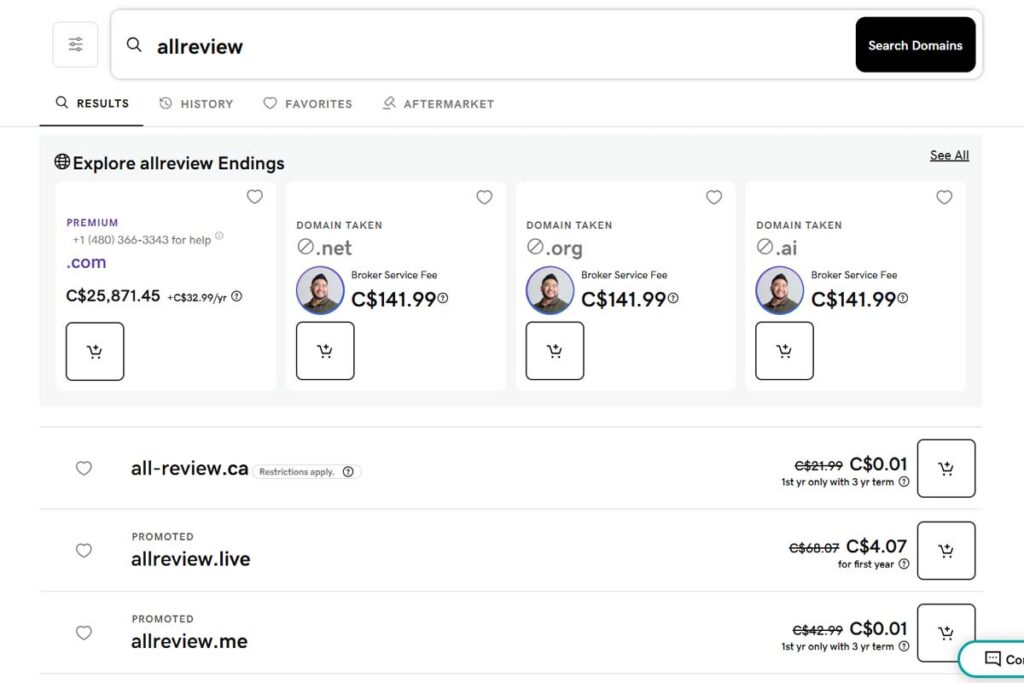
Top domain registrars for Canadians:
- Namecheap – Affordable and reliable
- GoDaddy – Trusted and beginner-friendly
Tip: Keep your domain short, memorable, and relevant to your niche.
Step 3: Choose the Best Web Hosting for Canadians
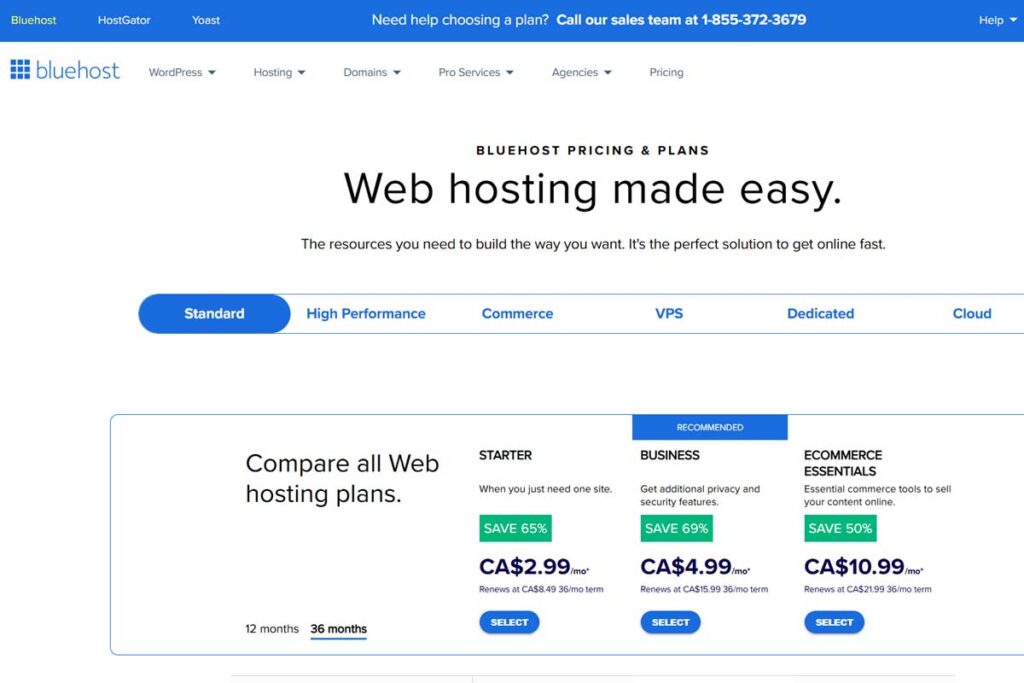
Hosting is where your website lives online. A fast, secure, and reliable host improves user experience, boosts SEO, and increases your revenue potential. If you’re a Canadian small business owner looking for dependable options, check out our guide to the best web hosting for small businesses in Canada.
| HOSTING PROVIDER | PRICE | FEATURES | BEST FOR |
| HostPapa | ~$3.95–$14/mo | Canadian-owned, Toronto servers, free domain, free SSL, bilingual support | Canadian small businesses |
| Hostinger | ~$1.79–$12/mo | Affordable, easy setup, beginner-friendly | Budget bloggers |
| Siteground | ~$2.99–$18/mo | Fast, premium support | Business bloggers |
| Bluehost | ~$1.99–$15/mo | Popular, reliable, good support | Beginners & WordPress users |
| DreamHost | ~$1.99–$16/mo | 100% uptime guarantee, unlimited traffic | Growing small businesses |
| Web Hosting Canada (WHC) | ~$3.89–$17/mo | Canadian data centres (MTL & VAN), free SSL, Cloudflare CDN | Data residency & privacy-focused businesses |
Tip: Choose a host with Canadian or North American servers for faster loading for your local audience.
Ready to Start Your Blog Today? Get your domain name, secure web hosting, and install WordPress in under 15 minutes. We recommend beginner-friendly hosting providers trusted by Canadian bloggers.
Launch Your Blog Now.

Step 4: Install WordPress (Beginner-Friendly)
The most widely used blogging platform is WordPress. WordPress powers a significant percentage of websites globally. It is flexible, scalable, and free to use.
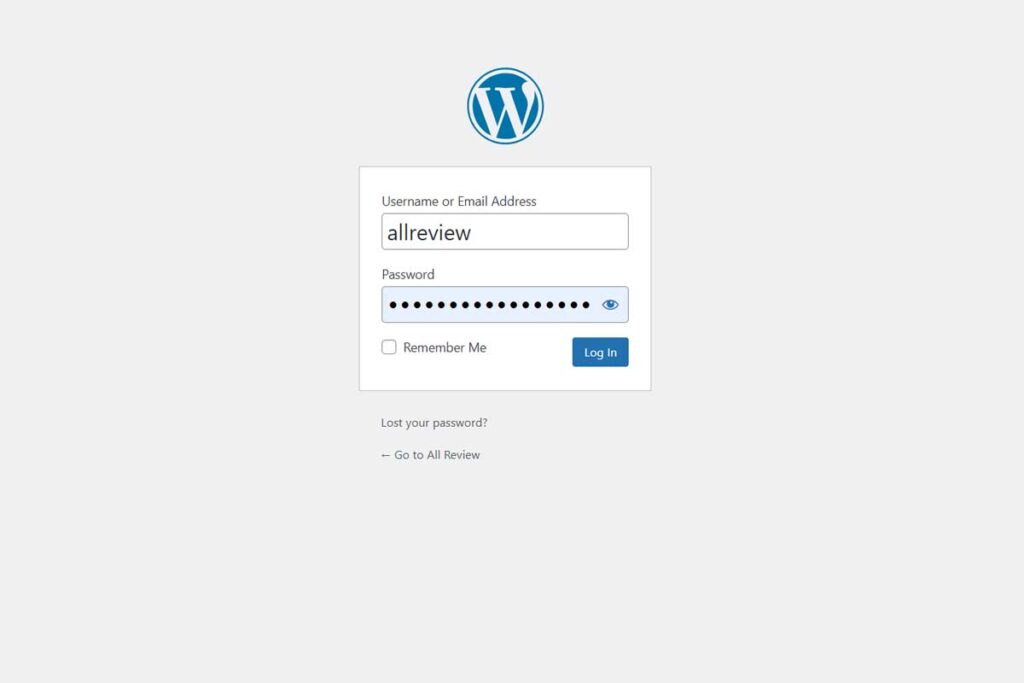
Most hosting providers offer one-click WordPress installation through their dashboard.
After installation:
- Log in to your WordPress admin panel
- Select a theme
- Configure site settings
- Set your permalink structure
WordPress allows you to:
- Publish blog posts
- Create static pages
- Install plugins
- Optimize for SEO
- Monetize through ads or affiliates
Its flexibility makes it suitable for both beginners and advanced users.
Tip: WordPress plugins like SEO tools, caching, and security can enhance performance.
Step 5: Design Your Blog Professionally

A clean and professional design improves trust and user experience.
- Choose a responsive WordPress theme.
- Free options: Astra, OceanWP.
- Paid: GeneratePress Premium.
- Create core pages: About, Contact, Privacy Policy, Terms of Service.
- Add your logo and brand colours for recognition.
Tip: Canadians value clean, trustworthy websites. Avoid cluttered designs.
Step 6: Publish Your First 5 Articles
Launching a blog with one article is not recommended. Instead, prepare at least 5–10 high-quality posts before actively promoting your website.
- Aim for 1,500–2,500 words per article.
- Use Canadian examples (tax references, cities, businesses).
- Add internal links to other posts and helpful resources.
Publishing consistently builds authority and increases indexing opportunities.
Step 7: Understand Basic SEO Principles
Search Engine Optimization (SEO) helps your blog rank on Google.
Key SEO elements include:
- Keyword research
- Optimized headings
- Internal linking
- Fast loading speed
- Mobile responsiveness
Target keywords such as:
- “How to start a blog in Canada”
- “Best web hosting Canada”
- “Is blogging profitable in Canada”
SEO takes time. Most blogs require several months before seeing consistent traffic. Patience and consistency are essential.
How to Make Money Blogging in Canada
Once your blog is live, you can start monetizing:
- Google AdSense – Display ads to Canadian visitors.
- Hosting Affiliates – Recommend web hosts like Hostinger, Bluehost, or SiteGround.
- Email Marketing – Collect emails for newsletters and promotions.
- Digital Products – Ebooks, courses, or guides for Canadians.
- Sponsored Posts – Collaborate with local Canadian brands.
Tip: Start with affiliate programs first. High-ticket items like hosting convert well and require fewer sales to generate income.
Blogging and Taxes in Canada
If you treat your blog as a business, you need to consider:
- Registering your business – Sole proprietorship is simplest.
- Reporting income – Blog revenue is taxable.
- GST/HST – Only required if annual revenue exceeds $30,000.
- Deductions – Hosting, domain, tools, and marketing costs can reduce taxable income.
Pro Tip: Keep receipts and records for all blogging expenses. This ensures you maximize tax deductions and stay CRA-compliant.
Need Help Building Your Blog? If you’d rather skip the technical setup, our team at All Review Digital Marketing Services can design and launch your professional blog for you.
Request a Free Consultation.

FAQs About Blogging in Canada
In addition to the information above, the most commonly asked questions on the topic of blogging in Canada are found below.
Final Thoughts
Starting a blog in Canada in 2026 remains one of the most accessible ways to build a digital asset. With relatively low startup costs and scalable growth potential, blogging allows Canadians to share knowledge, support businesses, and generate income online.
Success depends on:
- Careful niche selection
- Reliable hosting
- Consistent content creation
- Patience and long-term thinking
When treated as a structured business rather than a hobby, blogging can become a meaningful income source and professional platform.