
New to Canada?
If you’re new to Canada, don’t miss our Newcomers to Canada: The Ultimate Guide. It covers everything you need to know about settling in Canada, including housing, employment, healthcare, banking, education, government benefits, and much more.
Canada’s universal healthcare system is one of our country’s proudest achievements, and British Columbia’s Medical Services Plan (MSP) ensures that every resident has access to essential medical services. If you’re new to BC, planning to move, or adjusting to life in this beautiful province, one of the first steps you should take is registering for your BC health card.
This guide will walk you through the process step by step, providing detailed instructions, tips for unique situations, and everything else you need to know. Whether you’re a Canadian citizen, a newcomer, or here temporarily, this is your go-to resource for securing healthcare in BC.
What is Medical Services Plan (MSP)?
MSP stands for Medical Services Plan, which is the province’s public health insurance program. MSP ensures that eligible residents have access to essential healthcare services without the burden of high out-of-pocket costs. Enrollment is mandatory for all eligible residents, and it provides peace of mind knowing that you can receive necessary medical care when you need it.
Why You Need a BC Health Card
Living in British Columbia comes with many perks—mountain vistas, temperate weather, and dynamic cities like Vancouver and Victoria. But beyond the scenery and lifestyle, BC residents also benefit from the Medical Services Plan (MSP), a publicly funded healthcare program that covers basic medical services.
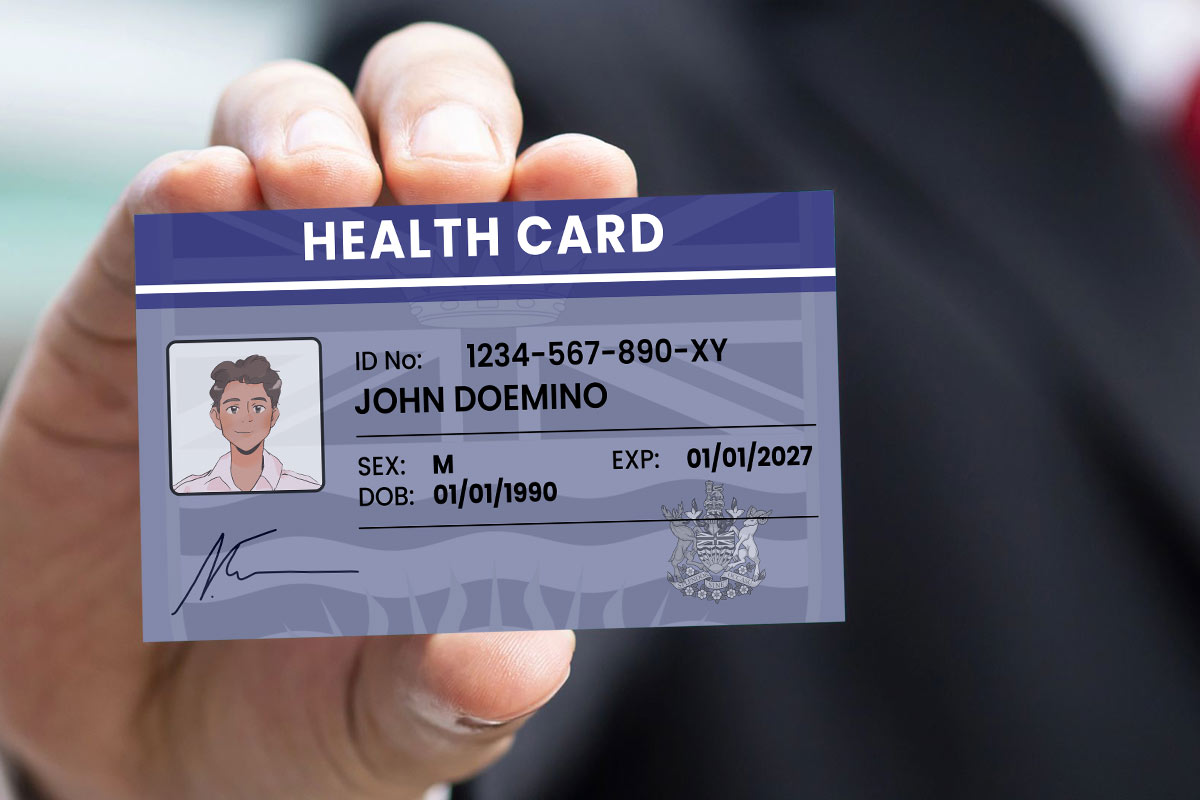
Your BC health card is the key to accessing this coverage. It’s proof that you’re enrolled in MSP, ensuring you can visit doctors, undergo diagnostic tests, and receive hospital care without the stress of upfront costs. Without this card, even routine medical care can become complicated and expensive. Simply put, it’s essential for life in the province.
What Does MSP Cover?
Before diving into the registration process, it’s important to understand what your BC health card offers—and what it doesn’t. MSP provides coverage for:
- Visits to family doctors and specialists,
- Diagnostic tests, such as X-rays and blood work,
- Hospital stays, surgeries, and emergency care.
However, there are services MSP doesn’t cover, including:
- Prescription medications,
- Dental care,
- Vision care (excluding medically necessary procedures, like cataract surgery).
Many residents opt for supplemental insurance through employers or private plans to cover these gaps. Knowing your coverage options will help you make informed decisions about your healthcare.
Eligibility for a BC Health Card
Let’s clarify who qualifies for MSP enrollment. You’re eligible if you meet the following criteria:
- Residency in British Columbia: This means you’ve made BC your home and plan to live here for at least six months of the year.
- Legal Status in Canada: Canadian citizens, permanent residents, refugees, and eligible work/study permit holders qualify.
- Three-Month Waiting Period: If you’ve recently moved to BC, you’ll need to wait three months before your MSP coverage begins.
Tourists, short-term visitors, and temporary residents staying less than six months are not eligible for MSP. Additionally, long-term residents must update their MSP status if they move within Canada or change their residency situation.
Documents Required for MSP Registration
The application process involves submitting specific documents. Here’s what you’ll need to prepare:
Proof of Identity
Examples include:
- Passport,
- Driver’s license,
- Canadian citizenship certificate,
- Permanent Resident card.
Proof of Residency
This confirms that you live in BC. Acceptable documents include:
- Lease agreements,
- Utility bills (e.g., electricity or internet),
- Mortgage documents,
- A letter from your employer stating your address.
Proof of Legal Status in Canada
If you’re a newcomer or temporary resident, you’ll need to submit work permits, study permits, or immigration documents proving your eligibility.
Important Tip
- Photocopy your documents clearly and ensure all information is accurate.
- If you’re submitting online, scan documents in PDF format for easy uploading.

BC Health Card: Step-by-Step Application Process
Ready to apply? The process is simple, but attention to detail will save you headaches. Let’s break it down:
Step 1: Gather Your Documents
Double-check your paperwork before proceeding. The documents mentioned earlier are mandatory, so ensure nothing is missing.
Step 2: Complete the Application Form
Visit the BC MSP website to access the application form. You can either fill it out online or download a printable version. The form will ask for:
- Full name and birthdate,
- Social Insurance Number (if applicable),
- Current BC address,
- Immigration status (for newcomers).
Accuracy is key—errors can lead to delays in processing your application.
Step 3: Submit the Form
Choose your preferred submission method:
- Online: Complete the form directly on the MSP website and upload your scanned documents.
- By Mail: Print the form, attach photocopies of your documents, and send everything to MSP’s mailing address.
- In Person: Visit a Service BC location if you need assistance or prefer to drop off your application physically.
Step 4: Wait for Processing
Processing typically takes 4–6 weeks. Keep an eye on your mailbox—your BC health card will be mailed to you once your application is approved.
Special Considerations for Unique Situations
Life isn’t always simple, and some circumstances may require extra steps. Here’s advice for common scenarios:
Newcomers to Canada
If you’re new to the country, welcome! You’ll need additional documents, such as your Confirmation of Permanent Residence (CoPR) or immigration landing paper. BC provides resources to help immigrants and refugees navigate MSP registration.
Temporary Residents
Work and study permit holders can apply for MSP if their permits are valid for 12 months or longer. Be prepared to submit copies of your permits to confirm your eligibility.
Moving From Another Province
If you’re relocating to BC, there’s a transition period to switch your healthcare registration. Your previous province’s health card remains valid during the three-month waiting period.
Families With Children
When applying for MSP, don’t forget to include dependents like your children. You’ll need their birth certificates or other identification. The MSP form has a dedicated section for adding family members.
What Happens During the Waiting Period?
BC imposes a mandatory three-month waiting period for new residents. While MSP coverage doesn’t start immediately, you can take steps to protect yourself during this time:
- Purchase Private Insurance: Many newcomers opt for temporary private insurance to cover potential medical costs during the waiting period.
- Use Previous Provincial Healthcare: If you’re moving from another province, your old health card will cover you until MSP kicks in.
Planning ahead is critical for avoiding unexpected medical expenses during this transition.
Using Your BC Health Card
Once you receive your BC health card, it’s time to put it to use. Carry your card with you whenever you visit:
- Family doctors and clinics,
- Hospitals for emergency care or surgeries,
- Diagnostic centers for tests like X-rays or MRIs.
Your health card is your proof of enrollment in MSP, making it essential for accessing insured services. Keep it in a safe place, but always have it on hand when seeking medical attention.
Renewals, Updates, and Lost Cards
Maintaining your MSP registration is just as important as applying for it. Here’s what you need to know about keeping your health card valid:
Renewals
MSP doesn’t require frequent renewals, but you must update your information if:
- You move to a new address,
- Your legal name changes,
- Your residency status changes (e.g., switching from temporary to permanent resident).
Lost or Stolen Cards
If your card is lost or stolen, report it immediately to MSP. You may be required to verify your identity and pay a replacement fee.
Troubleshooting Common Issues
Even the best-laid plans can hit a snag. Here’s how to handle potential problems with your application:
- Delays in Processing: If you haven’t received your card within six weeks, contact MSP for an update.
- Rejected Applications: Missing documents or form errors are common reasons for rejection. Double-check everything before resubmitting.
- Change of Residency: Moving within BC or leaving the province? Notify MSP to update or cancel your enrollment.
Did You Know
- that MSP coverage is funded through taxes in British Columbia? Residents do not pay monthly premiums anymore, as these were eliminated in 2020 to make healthcare more accessible.
- that MSP (Medical Services Plan) provides coverage for medically necessary services, but residents still need additional insurance for things like prescriptions, vision care, or dental work? MSP ensures essential healthcare access, but supplemental plans fill in those gaps.
- that MSP enrollment is mandatory for all eligible residents of British Columbia, including Canadian citizens, permanent residents, and even certain temporary workers or refugees? Ensuring everyone is covered reduces strain on the healthcare system.
You’ve Got Your BC Health Card—Now What? Congratulations—you’ve completed the first step! Now let’s make it count. Discover how to find and register with a family doctor in Canada, so you can access full healthcare coverage and peace of mind.
Find your family doctor today!
More FAQs About BC MSP
Here are answers to some of the most common queries about MSP:
Conclusion: Your Healthcare, Your Priority
Your BC health card is more than just a piece of plastic—it’s your gateway to comprehensive healthcare in British Columbia. Applying for MSP may feel like a small administrative task, but it’s one of the most important things you can do to protect your health and well-being.
If you’re ready to start the process, visit the BC MSP website or forms, instructions, and more information. From the mountains to the coastline, BC’s beauty and healthcare await you.
Read More Helpful Resources on All Review
Looking for more Canadian resources? Browse our collection of in-depth guides covering government benefits, housing, education, banking, and much more—all designed to help you navigate life in Canada with confidence.
Other Provinces Healthcare Plan
Government, Education & Living in Canada
- Are Banks Open Today (or Tomorrow)?
- Canada Benefits and Payment Dates
- CRA My Account Registration Guide
- Social Insurance Number (SIN) Application Guide
- My Service Canada Account (MSCA) Guide
- Food Banks in Canada Directory
- Best Universities in Canada
- Best Cities to Live in Canada
- Cheapest Places to Live in Canada
- Warmest Places to Live in Canada
- Buying a House in Canada Guide
Additional Resources and Support
- Visit MSP for BC residents for official details.
- Contact Health Insurance BC for personalized help.