
Quebec isn’t just Canada’s largest province by land area—it’s also one of its richest when it comes to culture, language, cuisine, and natural beauty. With a distinct identity rooted in French language and heritage, Quebec offers Canadians and visitors alike an experience unlike any other province.From cobblestone streets and gourmet cuisine to wild rivers and snow-covered peaks, Quebec is where Europe meets Canada. Whether you’re planning your first trip or just want to better understand what makes La Belle Province so special, here’s what Quebec is known for—and why it deserves a spot on your Canadian bucket list.
Find Flight Best and Lowest Deals
1. Old World Charm Meets Modern Life
Quebec City: A UNESCO World Heritage Treasure
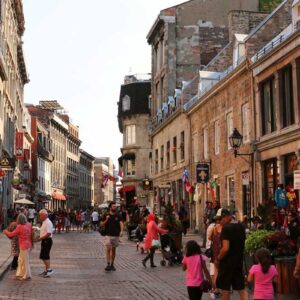
One of the crown jewels of Quebec—and indeed, all of Canada—is Old Quebec (Vieux-Québec), a UNESCO World Heritage Site that transports visitors to 17th-century Europe. With its stone walls, narrow lanes, and château-like buildings, Quebec City is often described as the most European city outside Europe.
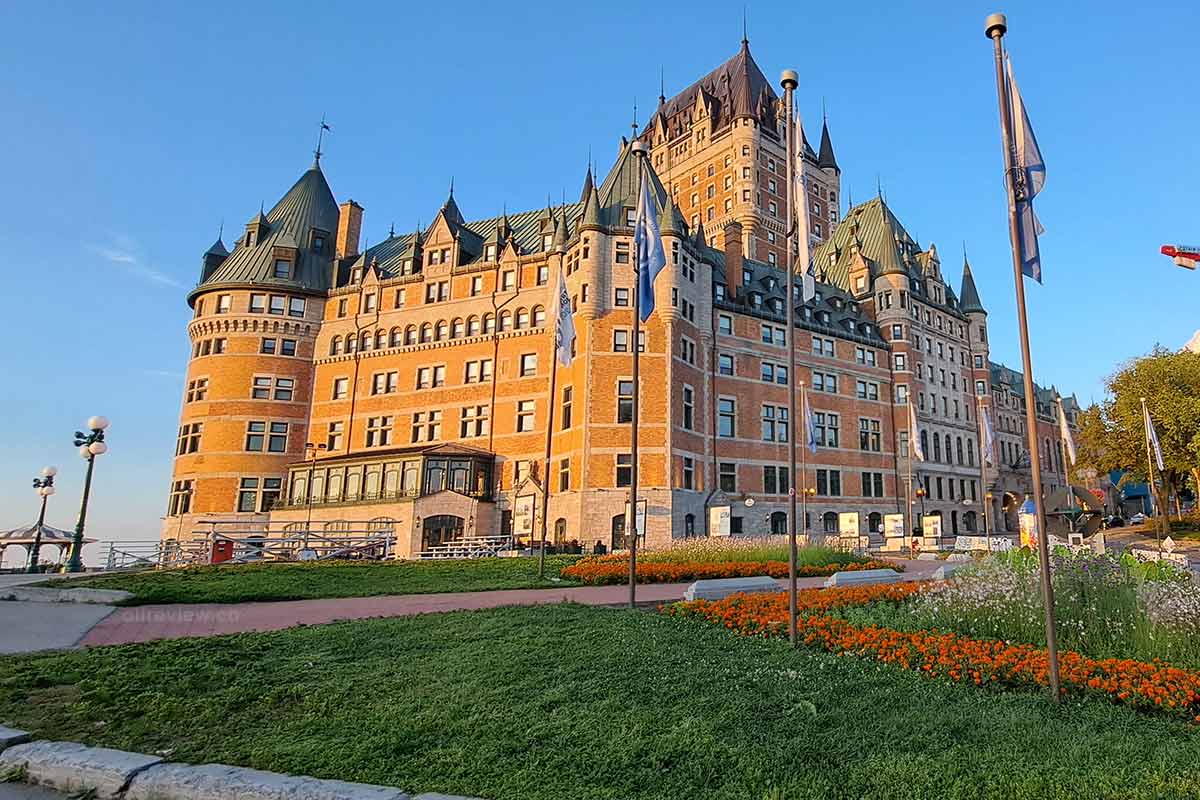
The iconic Château Frontenac towers over the St. Lawrence River, offering a postcard-perfect view from every angle. The nearby Plains of Abraham, Petit Champlain District, and Dufferin Terrace are just a few of the must-see historic gems in this area.
Montreal: Canada’s Cultural Powerhouse
Just a few hours southwest, Montreal brings a completely different vibe—lively, diverse, artistic, and unmistakably bilingual. As Canada’s second-largest city, Montreal is known for:
- Its world-class food scene
- A nonstop cultural calendar
- The blend of old and new architecture
- And an unmistakable joie de vivre
Neighborhoods like Plateau Mont-Royal, Old Montreal, Mile End, and Griffintown are cultural hotbeds where art, food, and language collide.
2. Language, Identity, and Culture
French Canada: A Distinct Society
Quebec is the only province in Canada where French is the official language, shaping everything from road signs and politics to music and education. Over 85% of Quebecers speak French, and the province is home to francophone traditions that go back centuries.The sense of cultural pride runs deep. Quebec’s society is often described as a “nation within a nation,” with its own media, laws (based on civil law), and institutions. This identity fuels everything from the province’s famous films and literature to its public debates and artistic expression.
3. Cuisine: Where Flavour and Tradition Meet
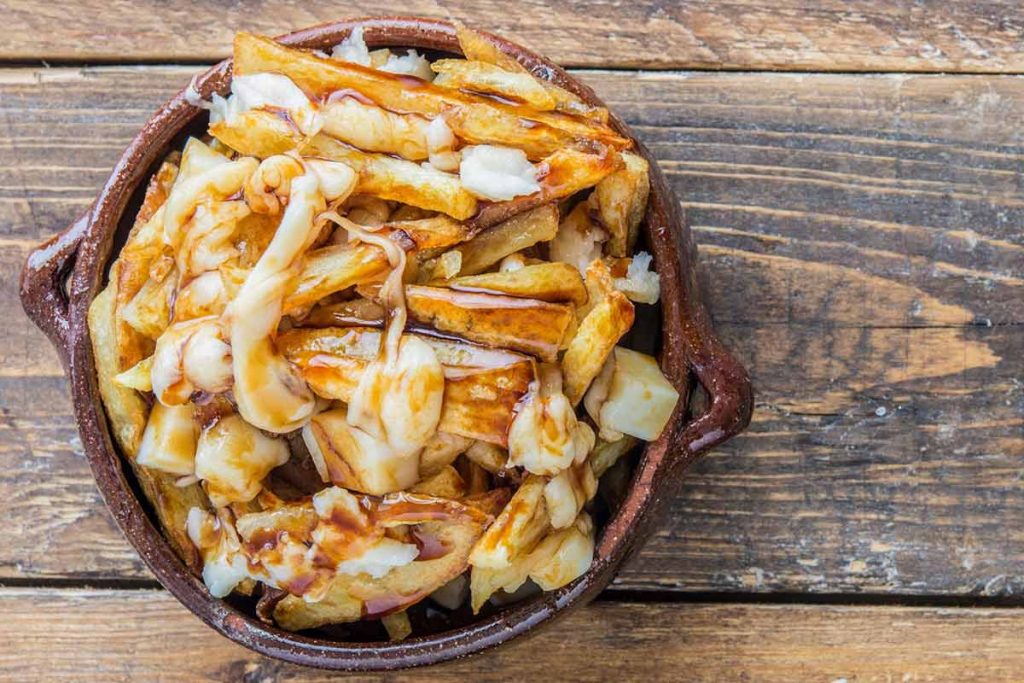
Québécois Classics
Quebec’s food scene is one of the best in Canada, offering a mix of French culinary traditions, local ingredients, and contemporary flair. Some iconic Québécois dishes and delicacies include:
- Poutine – Fries, cheese curds, and gravy. Simple, messy, and uniquely Canadian.
- Tourtière – Spiced meat pie, often served at holidays and gatherings.
- Sugar pie (tarte au sucre) – A staple of Quebec’s traditional dessert lineup.
- Cretons – A pork spread for breakfast toast, rich in spices and history.
- Pea soup, meatball stew, and maple-glazed ham – All with deep roots in rural Quebec.
Maple Syrup Country
Quebec produces more than 70% of the world’s maple syrup, and sugaring-off season in early spring is a cultural event in itself. Visiting a cabane à sucre (sugar shack) for an all-you-can-eat feast of maple-laden food, live music, and sleigh rides is a must-do Canadian experience.
Montreal’s Multicultural Food Scene
Montreal has also earned global recognition for its international flavours:
- Montreal-style bagels – Smaller, sweeter, and wood-fired, best from St-Viateur or Fairmount.
- Smoked meat sandwiches – A staple at legendary delis like Schwartz’s.
- Haitian griot, Syrian falafel, Vietnamese pho, and Jewish knishes all thrive in a city that celebrates immigration.
4. Nature and Outdoor Adventure
Laurentians and Eastern Townships
Just north of Montreal, the Laurentian Mountains offer a four-season escape: skiing in the winter, biking and hiking in summer, and fall colours that rival any in the country. Towns like Mont-Tremblant, Saint-Sauveur, and Sainte-Adèle are known for cozy lodges, lakeside retreats, and village charm.
To the southeast, the Eastern Townships provide a gentler version of the outdoors—rolling hills, vineyards, and charming towns like Magog, Dunham, and Knowlton.
Saguenay, Gaspé, and Côte-Nord
Head northeast, and Quebec turns wilder. The Saguenay Fjord offers kayaking, whale watching, and epic hiking along cliffs and rivers.
The Gaspé Peninsula is a road-tripper’s dream, home to:
- The iconic Percé Rock
- Forillon National Park
- Sea kayaking, lighthouse visits, and Indigenous tourism
Farther along, Côte-Nord and Anticosti Island offer vast boreal forests, moose-filled rivers, and remote adventure for the truly intrepid.
National and Provincial Parks
Quebec is home to over 30 provincial parks (Parcs Québec) and several national parks, including:
- Parc National de la Jacques-Cartier
- Parc National de la Mauricie
- Parc National du Bic
- La Vérendrye Wildlife Reserve
These protected areas offer endless opportunities for hiking, paddling, backcountry camping, and wildlife spotting.
5. Indigenous Cultures and History
Quebec is home to 11 distinct Indigenous Nations, including the Innu, Cree, Mohawk (Kanien’kehá:ka), Atikamekw, Naskapi, Mi’kmaq, Algonquin, and Inuit.
Many Indigenous communities now offer cultural tourism, where visitors can learn about traditional ways of life, food, storytelling, and land stewardship. Notable experiences include:
- The Huron-Wendat Village near Quebec City
- Innu communities in Côte-Nord and Lac-Saint-Jean
- First Nations powwows and craft markets
Supporting Indigenous businesses and learning about their history is a powerful way to understand Quebec’s true identity—past and present.
6. Festivals, Music, and the Arts
Quebec knows how to throw a festival—rain, snow, or sunshine.
Winter Carnival (Carnaval de Québec)
Held in Quebec City, Carnaval de Québec is the largest winter carnival in the world. With ice sculptures, parades, outdoor dance parties, and Bonhomme Carnaval, it’s a uniquely Québécois way to celebrate winter.
Summer Highlights
- Montreal International Jazz Festival – The largest of its kind globally.
- Just for Laughs (Juste pour rire) – Comedy giants descend on Montreal each July.
- Osheaga Festival – One of Canada’s biggest music festivals.
- Festival d’été de Québec (FEQ) – 10 days of concerts in Quebec City.
Cultural Experiences Year-Round
From contemporary art galleries to traditional crafts, theatre to Cirque du Soleil (which originated in Quebec), you’ll find the arts alive in every corner of the province.
Step into the charm of Quebec City! Explore our guide to the Top Things to Do in Quebec City and make your road trip adventure truly unforgettable.

Top Sights and Experiences – Your Quebec Bucket List
- Old Quebec City (Vieux-Québec)
Cobblestone streets, 400-year-old buildings, Château Frontenac, and the Citadel. - Montreal’s Neighbourhoods
Explore Mile End’s bagels, Plateau’s murals, and Old Montreal’s European charm. - Saguenay Fjord
Kayak with belugas, hike dramatic cliffs, or drive the Route du Fjord. - Gaspé Peninsula & Percé Rock
One of the most stunning drives in Canada, filled with cliffs, culture, and sea. - Cabane à Sucre (Sugar Shack)
Indulge in maple syrup feasts, sleigh rides, and traditional Québécois music. - Mont-Tremblant
Four seasons of mountain fun: skiing, hiking, spas, and après-ski charm. - First Nations Experiences
Visit Wendake or Innu communities for Indigenous-led cultural learning. - Quebec Winter Carnival
Celebrate the snow with Bonhomme, music, snow baths, and maple taffy. - Wine and Cider Routes
Explore vineyards and orchards in Dunham, Hemmingford, and the Eastern Townships. - La Route Verte
One of North America’s longest bike trail networks—stretching over 5,000 km.
Travel Tips and Seasonal Advice
- Language: Most people in Quebec speak French first. In Montreal and tourist areas, English is common too, but learning a few French phrases will go a long way.
- Best time to visit:
- Summer (June to August): Ideal for festivals, road trips, and patios.
- Fall (September to October): Stunning foliage in Laurentians and Townships.
- Winter (December to March): Snow sports, Carnaval, sugar shack season begins.
- Spring (April to May): Quieter tourism, maple syrup, and nature waking up.
- Getting around: Cities have excellent transit. For nature and smaller towns, a car is best.
- Currency and tipping: Standard across Canada. Tip 15–20% at restaurants.
‘Wanna Try Road Trip? This is just the start of your journey—explore our full collection of Canadian road trip guides and uncover unforgettable routes coast to coast. Plan your next adventure today!

FAQs About Quebec
Here are some commonly asked questions about Quebec:
Conclusion
From the cobblestone lanes of Old Quebec City to the bustling multicultural boroughs of Montreal, the maple forests of the Laurentians, and the wind-whipped cliffs of Gaspésie, Quebec is a province like no other in Canada.
Here’s what it’s most known for:
- French language and rich cultural identity
- World-class cuisine and culinary traditions
- Dramatic landscapes and wilderness adventure
- Historical significance as Canada’s oldest cities
- Thriving Indigenous cultures
- Year-round festivals and vibrant arts scenes
- Authentic winter experiences and maple syrup feasts
If you haven’t experienced Quebec beyond Montreal or Quebec City—there’s a whole other world waiting in its mountains, rivers, coastlines, and communities. Whether you’re drawn by the food, the language, or the landscapes, Quebec delivers a journey that’s unforgettable and unmistakably Canadian.