


When you think of Nova Scotia, what comes to mind? For many Canadians, this eastern province evokes images of lighthouses standing tall on rugged coastlines, fishing boats bobbing in the Atlantic, and seafood so fresh you can taste the salt air. Nova Scotia isn’t just a destination—it’s a feeling. It’s the warmth of a small-town kitchen, the rhythm of a fiddle echoing across green hills, and the majesty of tides rising higher than a house.
From historic towns to breathtaking natural beauty, Nova Scotia is known for a rich mix of culture, history, and landscape that captivates both locals and visitors. Whether you’re a Maritimer through and through or a prairie-born Canadian dreaming of the sea, here’s a deep dive into what truly makes Nova Scotia special.
Find Flight Best and Lowest Deals
1. The Coastline: Endless Beauty and Iconic Drives
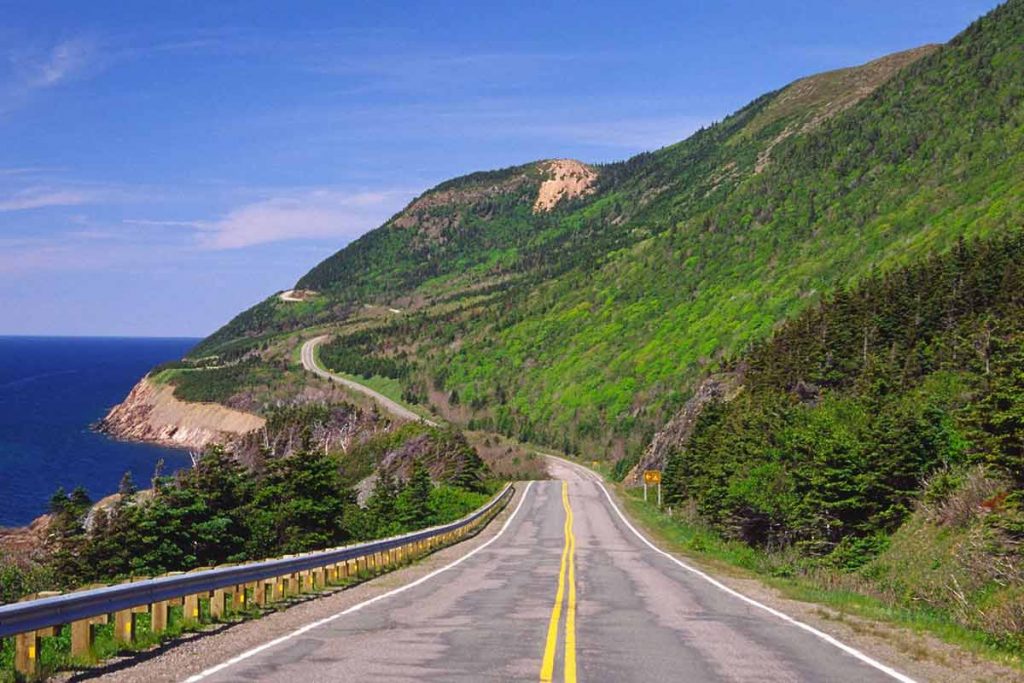
Nova Scotia boasts more than 13,000 kilometres of stunning coastline—more per capita than almost anywhere else in the world. The province is practically a living postcard. Iconic routes like the Cabot Trail on Cape Breton Island offer jaw-dropping views of cliffs, ocean, and forest all in one winding road trip. Meanwhile, the Lighthouse Route takes you past over 20 historic lighthouses, charming fishing villages, and some of the best beaches in the country.
If you’re looking to take a break from the big-city buzz, there’s nothing like standing on a rocky bluff watching the waves crash in.
2. Peggy’s Cove and the Lighthouse Legacy
No article about Nova Scotia would be complete without a nod to Peggy’s Cove. This tiny fishing village is home to one of the most photographed lighthouses in the world. The Peggy’s Cove Lighthouse, perched atop granite rocks, is not only beautiful but symbolic—it represents the province’s enduring relationship with the sea.
But it doesn’t end there. Nova Scotia has more than 160 lighthouses scattered across its shores. Some are still active, while others have been lovingly preserved as heritage sites. Each one tells a story of navigation, resilience, and community.
3. Seafood: Lobster, Scallops, and More
If you’re Canadian, you’ve likely heard that Nova Scotia is the place to get lobster. And it’s not hype. The province’s cold Atlantic waters are ideal for some of the world’s best lobster, especially during the winter lobster season.
In addition to lobster, Digby scallops are a delicacy, and the local seafood chowder is a must-try. Many Nova Scotians take pride in their home recipes, and restaurants across the province compete for the title of “best chowder.”
Nova Scotia is also developing a reputation for its wine and craft beer scenes. The province’s signature white wine, Tidal Bay, pairs perfectly with seafood and has quickly become a local favourite.
4. Maritime History and UNESCO Heritage
Nova Scotia’s maritime heritage is legendary. Lunenburg, a colourful port town and a UNESCO World Heritage Site, is a shining example of the province’s shipbuilding legacy. Home to the famous Bluenose schooner—yes, the one on our dime—Lunenburg brings history to life with its well-preserved architecture and engaging museums.
The Maritime Museum of the Atlantic in Halifax is another must-see, especially for history buffs. It houses relics from the Titanic (many victims were buried in Halifax) and stories from shipwrecks and seafaring adventures that shaped the province.
5. Halifax: Culture, Community, and Coastal Vibes
As the capital of Nova Scotia, Halifax blends history and modernity in a distinctly East Coast way. Whether you’re walking along the Halifax Waterfront, grabbing a donair (yes, it’s the official food of Halifax), or enjoying live music in a cozy pub, the city offers a perfect intro to the province’s lifestyle.

Historic landmarks like the Halifax Citadel and Pier 21 (Canada’s Immigration Museum) provide a glimpse into the past, while local markets, restaurants, and galleries showcase the present-day creative pulse of the region.
Discover the Best of Halifax: Dive into the charm and history of this coastal gem. Explore top attractions and unforgettable experiences today!

6. Celtic, Gaelic, and Acadian Roots
Nova Scotia literally means “New Scotland,” and its cultural ties to Scottish, Irish, and Acadian traditions run deep. Gaelic signage, fiddling festivals, ceilidhs (traditional social gatherings), and tartan patterns are part of daily life in many communities.
Cape Breton Island, in particular, is a hotbed of Celtic culture. The annual Celtic Colours International Festival brings together musicians and storytellers from around the world. Meanwhile, Acadian villages celebrate their French-speaking heritage with festivals, music, and Acadian cuisine.
7. The Bay of Fundy: Tides That Defy Belief
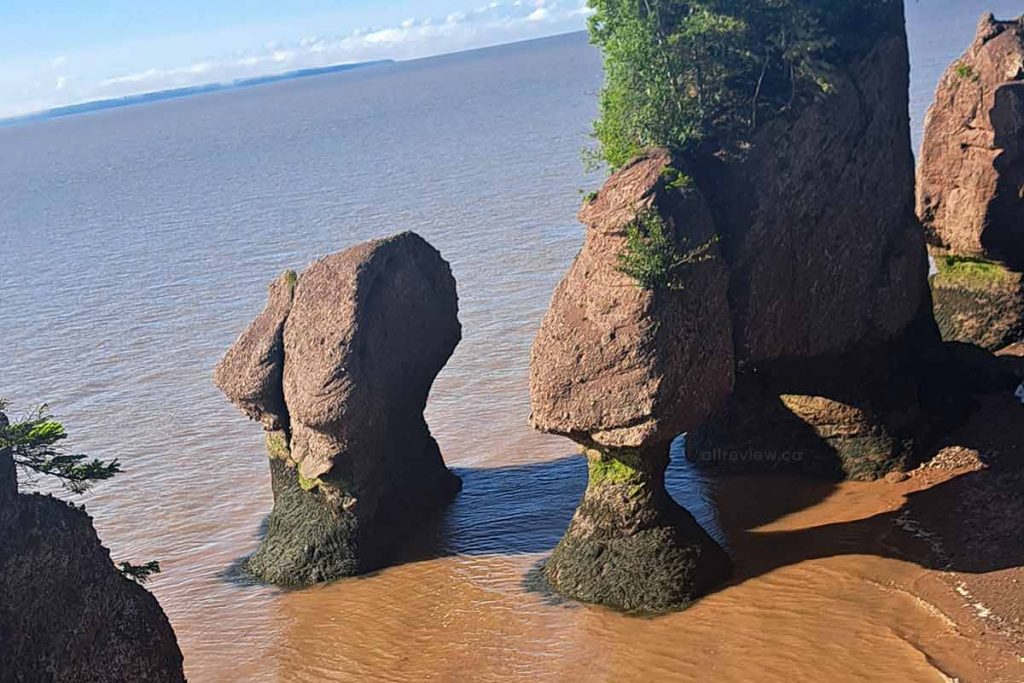
Shared with New Brunswick, the Bay of Fundy is home to the highest tides on Earth—reaching over 15 metres (50 feet). Watching the tide rush in or out is an experience that feels like nature is showing off.
Popular viewing spots like Burntcoat Head and Cape Split offer more than just science—they’re visually stunning and spiritually uplifting. Plus, the Bay is a fossil hunter’s dream, with discoveries dating back millions of years.
8. Whale Watching and Marine Life
Nova Scotia is one of the best places in Canada for whale watching. From June to October, you can spot humpbacks, finbacks, minkes, and even the elusive North Atlantic right whale.
Boat tours leave from places like Digby, Brier Island, and the Cape Breton coast, offering unforgettable marine encounters. Beyond whales, the waters are teeming with seals, dolphins, and seabirds, making it a paradise for nature lovers.
9. National and Provincial Parks: A Playground for Outdoor Lovers
If you’re into hiking, camping, kayaking, or just breathing in fresh air, Nova Scotia delivers. Kejimkujik National Park offers backcountry adventures and insights into Mi’kmaq culture, while Cape Breton Highlands National Park is world-famous for its hiking trails and scenic lookouts.
Smaller parks like Blomidon and Five Islands offer dramatic cliffs, red sandstone formations, and peaceful wooded trails.
10. Indigenous Culture and Mi’kmaq Heritage
Nova Scotia is part of Mi’kma’ki, the ancestral and unceded territory of the Mi’kmaq people. Their presence and influence remain strong, with communities across the province sharing their traditions, languages, and teachings.
From guided cultural tours to artisan crafts and powwows, Indigenous culture is an essential part of Nova Scotia’s identity. The Mi’kmawey Debert Cultural Centre and Membertou Heritage Park are excellent places to start learning and connecting.
11. Tight-Knit Communities and East Coast Hospitality
There’s something about Nova Scotia’s small towns that just feels… right. Whether it’s Mahone Bay’s postcard-perfect waterfront, Wolfville’s university-town charm, or Baddeck’s lakeside calm, these places have a way of making visitors feel at home.
Nova Scotians are famously friendly, and it’s not uncommon for strangers to strike up a chat or offer directions without being asked. It’s a province where people look out for each other.
12. Festivals and Local Traditions
From the Halifax Jazz Festival to lobster suppers in church basements, Nova Scotia knows how to celebrate. Music, food, and storytelling are central to the culture, and local events often blend all three.
Harvest festivals, Acadian Days, multicultural events, and arts fairs ensure that there’s always something happening, no matter the season.
13. Winter Charm and Cozy Culture
While many think of Nova Scotia as a summer province, its winters are magical too. Snow-covered landscapes, skating ponds, and charming small towns decorated for the holidays offer a quieter, cozier kind of magic.
Local traditions like winter markets, kitchen parties, and tobogganing with neighbours make the colder months feel special.
14. Symbols of Nova Scotia: Identity in Nature and Design
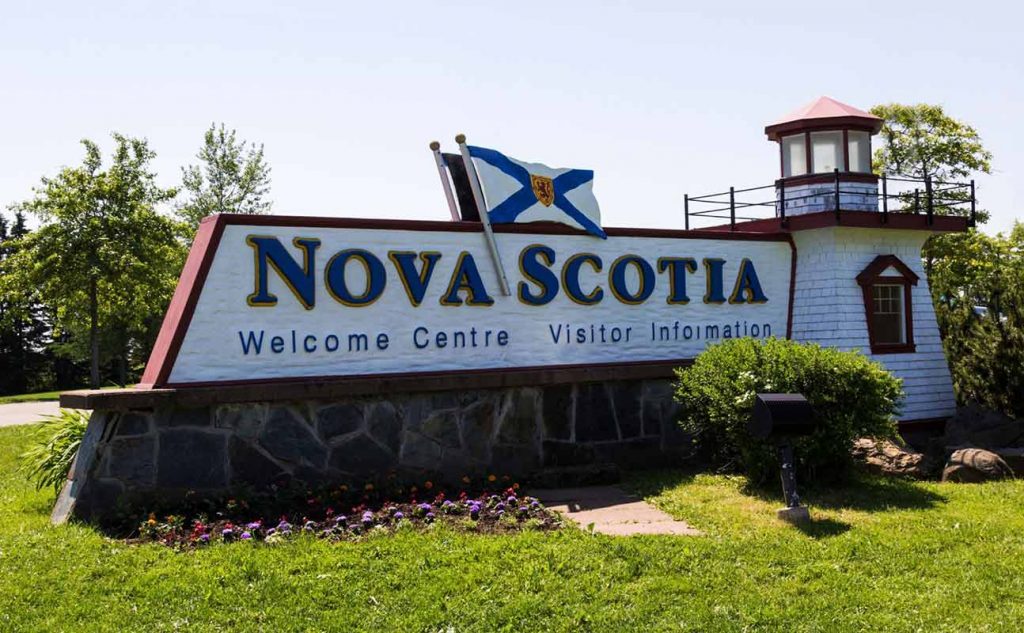
Nova Scotia has its own tartan, flower (mayflower), tree (red spruce), and bird (Osprey). These aren’t just tokens—they reflect the deep connection locals have to their land, heritage, and environment.
Even the provincial flag, with its blue cross and golden lion, tells a story of Nova Scotia’s Scottish roots and enduring pride.
‘Wanna Try Road Trip? This is just the start of your journey—explore our full collection of Canadian road trip guides and uncover unforgettable routes coast to coast. Plan your next adventure today!

FAQs About Nova Scotia
Here are some commonly asked questions about Nova Scotia:
Conclusion: Why Canadians Love Nova Scotia
Nova Scotia isn’t just a place you visit—it’s a place that stays with you. Whether it’s the salty breeze, the sound of waves lapping against a boat, or the warm smile of a stranger, there’s something deeply Canadian about this coastal province. It’s where our maritime roots run deep, where history lives in the present, and where every turn in the road offers a new view worth remembering.
So, the next time you find yourself craving fresh air, good food, and a dose of East Coast magic, you know where to go. Nova Scotia is calling.
And trust us, it’s worth answering.