
Newfoundland & Labrador, Canada’s easternmost province, is a land of stunning landscapes, rich history, and vibrant culture. Comprised of the island of Newfoundland and the mainland region of Labrador, this province spans from rugged coastlines and fjords to boreal forests and tundra, offering some of the most dramatic scenery in the country.
Visitors to Newfoundland & Labrador are drawn to its friendly locals, maritime heritage, traditional music, unique cuisine, and outdoor adventures. From the historic streets of St. John’s to remote Labrador wilderness, there is something for every traveler — whether you’re a history buff, foodie, nature lover, or adventure seeker.
Find Flight Best and Lowest Deals
1. Historic Sites and Heritage
Newfoundland & Labrador is steeped in history that spans thousands of years, from Indigenous peoples to Viking explorers and European colonists.
- Indigenous History: The Beothuk people were the original inhabitants of Newfoundland, while the Innu, Inuit, and Métis have long histories in Labrador. Museums and heritage centers, like the Beothuk Interpretation Centre, help preserve and share Indigenous culture and stories.
- Viking Settlements: The UNESCO World Heritage Site L’Anse aux Meadows on the northern tip of Newfoundland preserves evidence of the first known European settlement in North America, dating back to around 1000 CE. Visitors can explore reconstructed sod houses, historical exhibits, and walking trails.
- Colonial History: In the 16th century, European explorers and fishermen from England, France, and Portugal arrived, establishing coastal settlements. St. John’s, Canada’s oldest city, reflects centuries of British influence in its architecture, streets, and landmarks like Signal Hill, where Marconi sent the first transatlantic wireless signal in 1901.
- Maritime Heritage: Fishing, whaling, and shipping shaped the province’s communities. Historic towns such as Bonavista, Twillingate, and Ferryland preserve traditional fishing stages, lighthouses, and museums highlighting seafaring life.
The history of Newfoundland & Labrador is not just in buildings and artifacts but woven into the daily life of its residents, with traditions passed down through generations.
2. Neighbourhoods and Local Life
The province’s towns and cities are a blend of colourful streets, scenic views, and tight-knit communities:
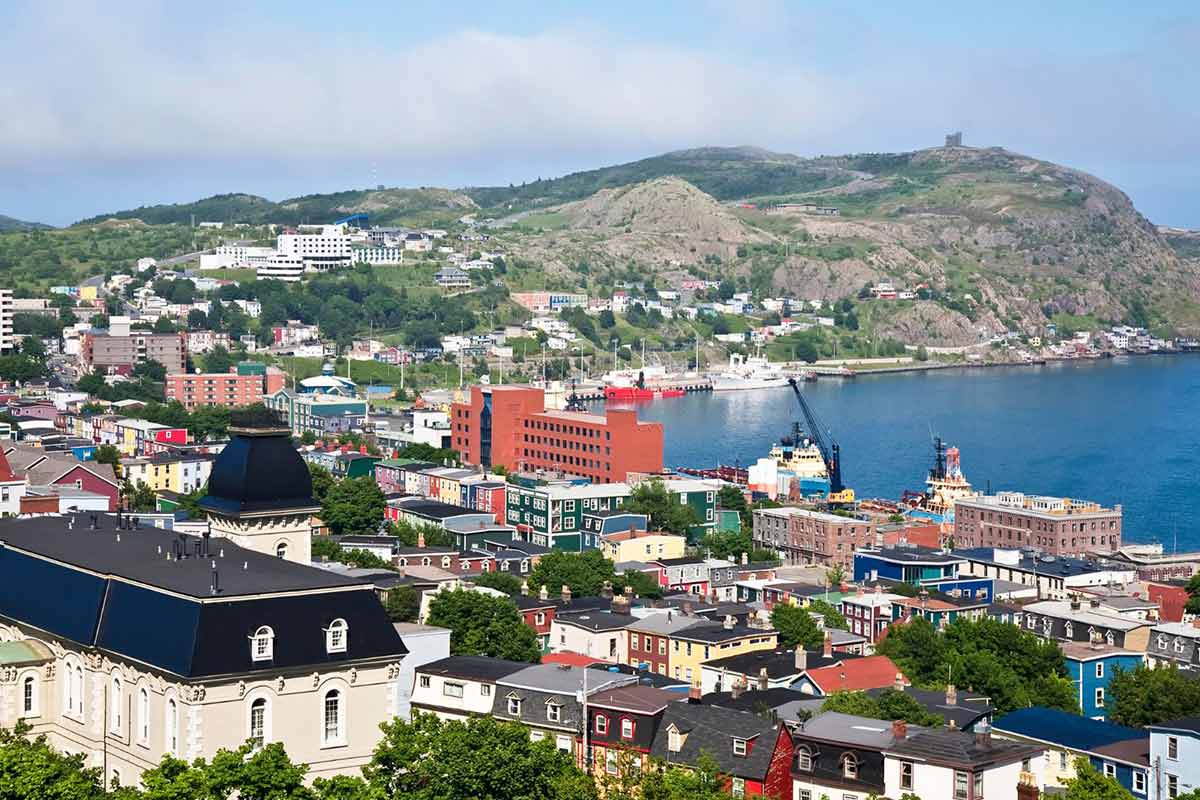
- St. John’s: The capital city is known for its brightly painted row houses on Jellybean Row, vibrant arts scene, and cultural institutions like the Rooms museum. George Street is famous for live music and nightlife.
- Bonavista Peninsula: Offers picturesque fishing villages, walking trails, lighthouses, and access to iceberg viewing during spring.
- Twillingate: Known as the “Iceberg Capital,” this coastal town also hosts traditional fishing stages, cultural centers, and whale-watching tours.
- Fogo Island: A remote island with art installations, luxury lodges, and dramatic coastline, Fogo Island combines culture, art, and nature in a unique experience.
- Labrador: Labrador’s communities, like Happy Valley-Goose Bay and Hopedale, offer Indigenous culture, remote wilderness adventures, and Northern lights viewing.
Residents of Newfoundland & Labrador are known for their friendliness, humor, and storytelling, which makes visiting the province feel welcoming and personal.
3. Culture, Music, and Festivals
Newfoundland & Labrador’s culture is vibrant, rooted in English, Irish, French, and Indigenous influences:
- Folk Music: Traditional fiddle, accordion, and bodhran music are played at pubs, festivals, and community gatherings. Artists often perform local ballads and sea shanties that tell stories of maritime life.
- Festivals:
- George Street Festival: One of Canada’s largest music festivals, attracting musicians and visitors from across the country.
- Mummers Festival: Celebrates Christmas with masked performers, music, and storytelling traditions.
- Regatta Days: Seasonal celebrations featuring boat races, parades, and community events.
- George Street Festival: One of Canada’s largest music festivals, attracting musicians and visitors from across the country.
- Arts and Storytelling: Residents maintain a strong oral storytelling tradition, which is showcased in local theaters, festivals, and cultural centers. This heritage is also expressed in local crafts, paintings, and performances.
- Local Traditions: Newfoundland & Labrador maintains unique customs such as screech-in ceremonies, seasonal community feasts, and traditional kitchen parties, where neighbors gather for music, dancing, and food.
Culture in Newfoundland & Labrador is not just preserved, it’s lived, providing visitors with a rich, immersive experience.
4. Outdoor Adventures and National Parks
Nature is arguably the province’s main attraction. Visitors can explore a variety of outdoor activities:
- Gros Morne National Park: A UNESCO World Heritage Site with fjords, mountains, and coastal cliffs. Popular activities include hiking the Gros Morne Tablelands, kayaking, and scenic drives.
- Torngat Mountains National Park (Labrador): Remote wilderness offering hiking, polar bear spotting, and Northern Lights viewing. Ideal for adventurers seeking untouched landscapes.
- Iceberg Alley: Coastal areas like Twillingate, Bonavista, and Fogo Island offer iceberg and whale watching tours in spring and early summer.
- Whale Watching: Coastal waters are home to humpback whales, minke whales, and orcas. Tours depart from St. John’s, Bonavista, and Twillingate.
- Hiking & Trails: The province offers trails ranging from easy coastal walks to challenging mountain treks, including the East Coast Trail in St. John’s and hiking loops in Gros Morne.
- Winter Sports: Labrador and parts of Newfoundland offer cross-country skiing, snowmobiling, dog sledding, and snowshoeing, making it an all-season destination.
Outdoor adventures in Newfoundland & Labrador are ideal for nature lovers, photographers, and thrill-seekers.
5. Food and Culinary Scene
Seafood dominates the culinary landscape, but the province also offers traditional and modern dishes:
- Seafood: Cod, haddock, lobster, mussels, and snow crab are staples. Popular dishes include fish & brewis and seafood chowder.
- Traditional Meals: Jigg’s Dinner (salt beef, root vegetables, pease pudding) is a Sunday classic. Toutons (fried dough) are often served with molasses.
- Local Desserts: Partridgeberry jam, blueberry grunt, and baked goods highlight local berries.
- Modern Dining: Restaurants in St. John’s, Corner Brook, and Fogo Island offer creative menus combining local ingredients with international flavors.
- Beverages: Craft breweries, local wines, and berry wines are popular, reflecting the province’s artisan food scene.
Cuisine in Newfoundland & Labrador offers both hearty traditional fare and modern culinary experiences, often paired with breathtaking views of the coast or mountains.
Loved learning about Newfoundland and Labrador? Take it one step further and discover what makes all of Canada unique—from coast to coast. Explore What Canada Is Known For

Top Places to Visit
From vibrant city life to rugged coastal beauty, Newfoundland and Labrador is packed with unique destinations that showcase the province’s culture, history, and wild landscapes.
St. John’s – Explore the colourful row houses downtown, enjoy live music and nightlife on George Street, and take in panoramic views from Signal Hill overlooking the harbour.
Gros Morne National Park – A UNESCO World Heritage Site known for its dramatic fjords, the Tablelands’ otherworldly rock formations, and endless hiking and scenic drives.
L’Anse aux Meadows – Step back in time at this Viking archaeological site, where Norse explorers first landed in North America over 1,000 years ago.
Twillingate – A charming fishing village famous for iceberg sightings, whale watching, and a relaxed small-town coastal vibe.
Fogo Island – Known for its striking modern art installations, remote natural beauty, and luxurious Fogo Island Inn perched on the edge of the Atlantic.
Bonavista Peninsula – Discover puffin colonies, historic lighthouses, and vibrant local culture along one of Newfoundland’s most picturesque coastal routes.
Terra Nova National Park – A peaceful mix of lakes, forests, and hiking trails, perfect for canoeing, camping, and spotting local wildlife.
Labrador – A vast northern region offering the magic of the aurora borealis, rich Indigenous heritage, rugged hiking trails, and untamed wilderness.
Travel Tips and Best Time to Visit
Newfoundland and Labrador’s beauty shines in every season, whether you’re chasing icebergs, hiking coastal trails, or exploring colourful seaside towns.
Summer (June–August): The most popular time to visit, with warm weather, lively festivals, and the best opportunities for whale watching and iceberg viewing.
Fall (September–October): Enjoy vibrant autumn colours, fewer tourists, and a peaceful atmosphere — perfect for scenic drives and local food trails.
Winter (November–March): A quiet and magical season for snowshoeing, snowmobiling, and spotting the Northern Lights in Labrador’s clear night skies.
Spring (April–May): See the first icebergs drift by, migratory birds return, and seasonal attractions reopen as the province awakens from winter.
Transportation: Renting a car is the best way to explore Newfoundland’s small towns and national parks at your own pace. Ferries conveniently connect many coastal areas and outlying islands.
Accommodation: Choose from cozy bed-and-breakfasts, rustic lodges, boutique hotels, or the world-famous luxury stay at Fogo Island Inn.
Local Advice: Always respect Indigenous lands, wildlife, and local traditions. The weather can change quickly, so dress in layers, pack waterproof gear, and check road or ferry conditions before traveling.
‘Wanna Try Road Trip? This is just the start of your journey—explore our full collection of Canadian road trip guides and uncover unforgettable routes coast to coast. Plan your next adventure today!

FAQs About Newfoundland & Labrador
Here are some commonly asked questions about Newfoundland & Labrador:
Conclusion
Newfoundland and Labrador stand apart as one of Canada’s most captivating and character-rich provinces — a place where time seems to move a little slower, the landscapes feel larger than life, and the people welcome you like family.
What makes Newfoundland and Labrador truly special isn’t just its scenery, but its spirit — a rare blend of rugged independence, deep-rooted culture, and warmth that makes you feel instantly at home.
So, if you’re looking for a Canadian experience that’s equal parts wild and welcoming, historic and heartfelt — Newfoundland and Labrador is the province that captures it all.