
Montreal, Quebec’s largest city and Canada’s cultural hub in the east, is known for its European charm, vibrant arts scene, and rich history. With a unique blend of French and English cultures, Montreal offers an experience that feels both international and distinctly Canadian.
From cobblestone streets in Old Montreal to the bustling Plateau neighbourhoods, the city combines architecture, festivals, culinary innovation, and multicultural life. Montreal is also recognized for its music, sports, universities, and sporting events — making it a city where creativity and energy thrive year-round.
Find Flight Best and Lowest Deals
1. Montreal’s Historic Landmarks and Architecture
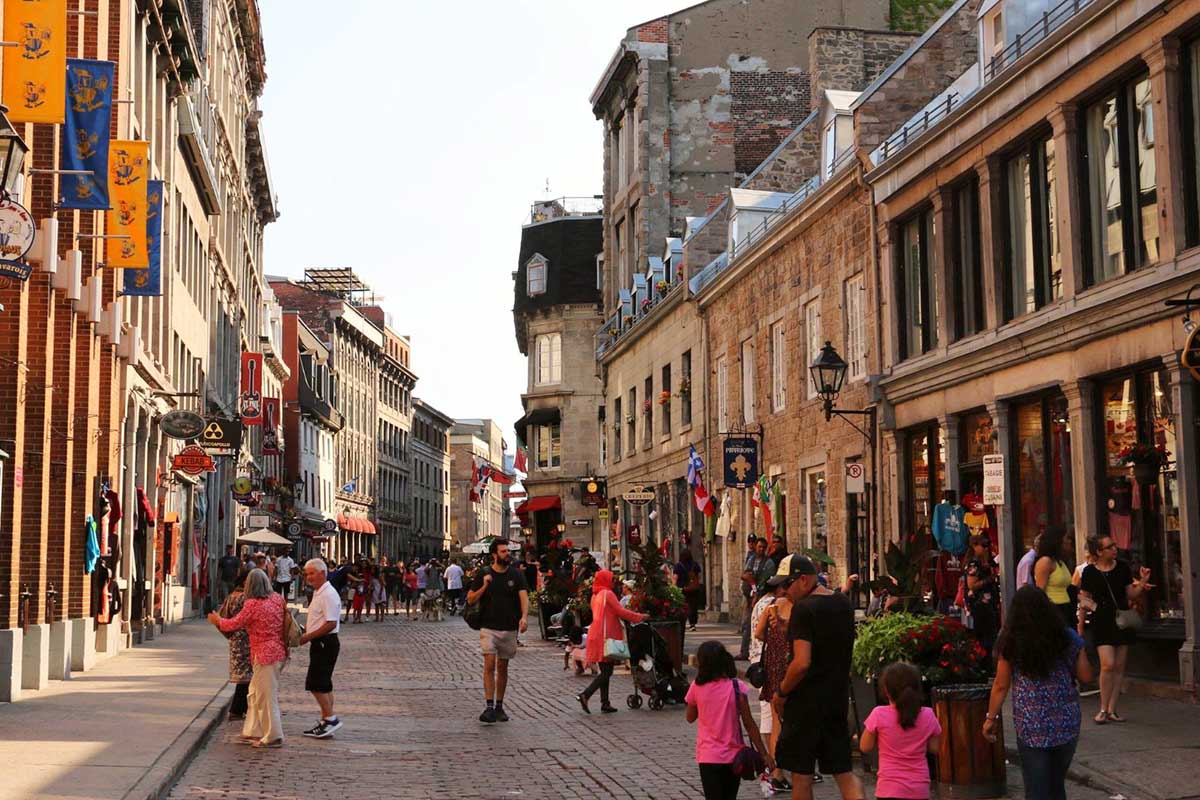
Montreal is steeped in history, with architecture reflecting French colonial roots, Gothic revival, and modern design. The city’s Old Montreal (Vieux-Montréal) is a must-visit, featuring cobblestone streets, historic buildings, and landmarks such as Notre-Dame Basilica, famous for its ornate interior and stunning stained glass.
Place Jacques-Cartier is a bustling square filled with street performers, cafés, and shops. Old Port of Montreal provides scenic waterfront views and recreational activities, including bike paths, paddleboarding, and boat tours.Montreal’s architecture mixes the old with the new. The Montreal Biosphere, Habitat 67, and modern skyscrapers showcase innovation, while historic mansions and churches preserve the city’s European heritage.
2. Neighbourhoods and Local Life
Montreal is a city built on character, creativity, and community — and you feel it most when you explore its neighbourhoods. Each one has its own charm and personality, making the city feel like a collection of small, vibrant villages rather than one large metropolis.
Plateau Mont-Royal – Famous for its colourful murals, leafy streets, and cozy cafés, the Plateau is where you’ll find artists, students, and longtime locals all sharing the same relaxed, creative vibe. It’s one of those places where you can wander for hours and always discover something new.
Mile End – Trendy, multicultural, and packed with independent shops, bakeries, bagel institutions, and live music venues. Mile End has become a hub for young creators and food lovers, giving the area a lively but down-to-earth feel.
Downtown Montreal – The city’s energetic core, filled with theatres, museums, shopping, universities, and buzzing nightlife. Whether you’re catching a show, grabbing dinner, or just people-watching, there’s always something happening.
Old Montreal – Cobblestone streets, centuries-old buildings, and beautiful riverside views make this neighbourhood feel like a step back in time. It’s perfect for slow strolls, patio dining, and soaking in Montreal’s rich history.
Little Italy & Chinatown – Two of the city’s most flavourful cultural pockets. Little Italy brings authentic cafés, markets, and family-run restaurants, while Chinatown offers vibrant storefronts, bubble tea spots, and classic Asian comfort dishes.
Exploring Montreal’s neighbourhoods is truly one of the best ways to get to know the city. Every corner reveals a different story — from vibrant street art to incredible food to the cultural traditions that make Montreal such a beautifully diverse place to live and visit.
3. Culture, Arts, and Museums
Montreal is often called Canada’s arts capital, and it’s easy to see why. The city is packed with museums, galleries, and cultural spaces that appeal to every kind of visitor.
Montreal Museum of Fine Arts (Musée des beaux-arts de Montréal) – One of the country’s top museums, known for its impressive Canadian and international collections.
Pointe-à-Callière Museum – A fascinating look into the archaeology and early history of Montreal, located right in Old Montreal.
Phi Centre – A modern space showcasing contemporary art, digital installations, and creative performances.
Montreal also thrives in the performing arts. Place des Arts hosts ballets, concerts, and theatre shows, while the Montreal Symphony Orchestra and Les Grands Ballets Canadiens continue to attract audiences from around the world. Even just walking around the city, you’ll come across vibrant murals, public art, and creative street performances — making Montreal feel like a cultural experience in itself.
4. Sports and Entertainment
Montreal is a sports-loving city, home to the Montreal Canadiens (NHL), one of the oldest and most successful hockey franchises in the world. Other teams include CF Montréal (MLS) and minor league baseball and basketball teams.
Entertainment spans from theatres and concert halls to live comedy, music venues, and film festivals. Montreal is home to the Montreal International Jazz Festival, one of the largest jazz festivals in the world, attracting international artists and thousands of visitors each year.
The city also offers vibrant nightlife with clubs, bars, and rooftop lounges, particularly in Downtown, Plateau, and Old Montreal, making it lively well into the night.
5. Culinary Scene: Food and Beverages
Montreal’s food scene is one of the city’s biggest draws, mixing classic French flavours with influences from cultures around the world. It’s a place where you can enjoy comfort food one minute and gourmet dining the next.
Montreal-style bagels – Smaller, sweeter, and denser than New York bagels, baked in wood-fired ovens and loved by locals.
Poutine – Quebec’s iconic trio of crispy fries, squeaky cheese curds, and hot gravy. You’ll find everything from classic versions to creative takes across the city.

Smoked meat sandwiches – Especially at the legendary Schwartz’s Deli, known worldwide for its perfectly seasoned smoked meat piled high on rye.
French pastries, cheeses, and cafés – A nod to Montreal’s European roots, with buttery croissants, artisanal cheeses, and charming cafés on nearly every corner.
Beyond the classics, Montreal shines with its global cuisine, farm-to-table restaurants, craft breweries, and independent coffee shops — all of which make the city a truly unforgettable foodie destination.
Supporting Indigenous businesses and learning about their history is a powerful way to understand Quebec’s true identity—past and present.
6. Festivals and Cultural Events
Montreal is famous for its year-round festivals, bringing energy and creativity to the city no matter the season.
Montreal International Jazz Festival – The world’s largest jazz festival, filling downtown with live music and international performers.
Just for Laughs (Juste pour rire) – A globally recognized comedy festival that brings top comedians and huge crowds to the city every summer.
Montreal Pride – One of Canada’s biggest celebrations of LGBTQ+ culture, featuring parades, concerts, and community events.
Montreal World Film Festival – Showcasing films and filmmakers from around the world, highlighting Montreal’s appreciation for global cinema.
Piknic Électronik – Popular summer outdoor electronic music gatherings that bring DJs, dancing, and good vibes to Parc Jean-Drapeau.
Together, these events highlight Montreal’s creative spirit, cultural diversity, and welcoming community — and they attract millions of visitors year after year.
Make the most of your time in Montreal! Discover the Top Things to Do in Montreal and add unforgettable experiences to your road trip adventure.

7. Parks, Waterfront, and Outdoor Spaces
Even though Montreal is a busy urban centre, it’s full of beautiful green spaces and outdoor areas where locals and visitors can unwind.
Mount Royal Park (Parc du Mont-Royal) – Designed by Frederick Law Olmsted, the same visionary behind Central Park, this iconic hill offers scenic hiking trails, peaceful forest paths, and one of the best lookout points in the city.
Botanical Garden – One of the largest gardens in the world, known for its themed gardens, impressive greenhouses, and seasonal exhibits that attract nature lovers year-round.
La Ronde Amusement Park – A fun waterfront attraction perfect for families, packed with rides, games, and summer entertainment.
Lachine Canal – A popular spot for walking, cycling, and kayaking along historic industrial pathways and calm waterways.
Montreal’s blend of urban energy and natural beauty makes outdoor activities easy to enjoy — whether you’re exploring a park, biking along the water, or simply relaxing in a green space any time of the year.
8. Shopping and Local Markets
Montreal is a great city for shopping, offering everything from big-name brands to unique local finds and historic public markets.
Saint Catherine Street – The city’s main shopping strip, filled with large retailers, fashion chains, and busy storefronts.
Mile End boutiques – A hotspot for indie designers, handmade goods, and small shops that showcase Montreal’s creative side.
Jean-Talon Market – One of the city’s most beloved public markets, known for fresh produce, cheeses, meats, and international specialties.
Atwater Market – A charming riverside market offering seasonal fruits, local goods, pastries, and gourmet treats.
Shopping in Montreal blends luxury, creativity, and local flavour — a perfect reflection of the city’s diverse and dynamic culture.
Top Places to Visit in Montreal
Montreal has no shortage of must-see attractions, offering a mix of history, culture, and outdoor experiences.
Old Montreal (Vieux-Montréal) – Wander through historic cobblestone streets filled with shops, cafés, and centuries-old landmarks.
Mount Royal Park (Parc du Mont-Royal) – A favourite spot for hiking, picnics, and panoramic views of the city.
Notre-Dame Basilica – A breathtaking example of Gothic Revival architecture, famous for its stunning interior design.
Montreal Museum of Fine Arts (Musée des beaux-arts) – One of the country’s premier art museums with impressive Canadian and international collections.
Jean-Talon Market – A lively market perfect for tasting fresh produce, cheeses, pastries, and other local favourites.
Plateau Mont-Royal – A colourful neighbourhood known for street art, cozy cafés, and creative local culture.
Old Port of Montreal – A scenic waterfront area with bike paths, outdoor activities, boat tours, and seasonal events.
Biodome & Botanical Garden – Explore interactive ecosystems at the Biodome and themed gardens at the Botanical Garden, great for families and nature lovers.
Montreal brings together history, food, culture, and beautiful outdoor spaces — making it an incredibly well-rounded destination for any visitor.
Travel Tips and Best Time to Visit
Montreal is a great year-round destination, with each season offering something different.
Summer (June–August) – The city comes alive with festivals, patios, and outdoor activities. Warm weather makes it perfect for exploring neighbourhoods and waterfront areas.
Fall (September–October) – Expect colourful foliage, comfortable temperatures, and fewer crowds. It’s a lovely time for parks, markets, and scenic walks.
Winter (November–March) – A true Quebec winter experience with ice skating, nearby skiing, holiday events, and plenty of cozy indoor attractions.
Spring (April–May) – Gardens begin to bloom, temperatures warm up, and tourist numbers are still low, making it a peaceful time to visit.
Montreal is easy to get around by foot, metro, or bicycle. And while you can absolutely navigate the city in English, learning a few basic French phrases can make your trip even more enjoyable.
‘Wanna Try Road Trip? This is just the start of your journey—explore our full collection of Canadian road trip guides and uncover unforgettable routes coast to coast. Plan your next adventure today!

FAQs About Montreal
Here are some commonly asked questions about Montreal:
Conclusion: Why Montreal Is Canada’s Cultural Capital of the East
Montreal is known for its European charm, cultural diversity, and vibrant lifestyle. From historic landmarks and cobblestone streets to world-class festivals, sports, and culinary delights, the city blends the old and new seamlessly.
Montreal represents the heart of French Canadian culture while embracing global influences, making it a city full of life, creativity, and warmth. Whether you’re a foodie, an art lover, or an adventure seeker, Montreal offers an unforgettable Canadian experience.