
Alberta is one of Canada’s most dynamic and diverse provinces — a place where rugged Rocky Mountains meet sweeping prairies, cowboy spirit blends with cosmopolitan energy, and nature thrives alongside innovation. Known for its world-class national parks, thriving cities like Calgary and Edmonton, and its strong western identity, Alberta captures the heart of Canada’s adventure and independence.
Whether you’re drawn to the awe-inspiring peaks of Banff and Jasper, the legendary Calgary Stampede, or the rich Indigenous and settler heritage that shaped the West, Alberta offers a powerful blend of natural beauty and cultural pride that’s unmistakably Canadian.
Find Flight Best and Lowest Deals
1. Alberta’s Natural Beauty and Landscapes
Alberta is perhaps best known for its breathtaking natural landscapes. From the jagged peaks of the Canadian Rockies to the vast golden prairies and mysterious badlands, it’s a province that showcases the full range of Canada’s geography.
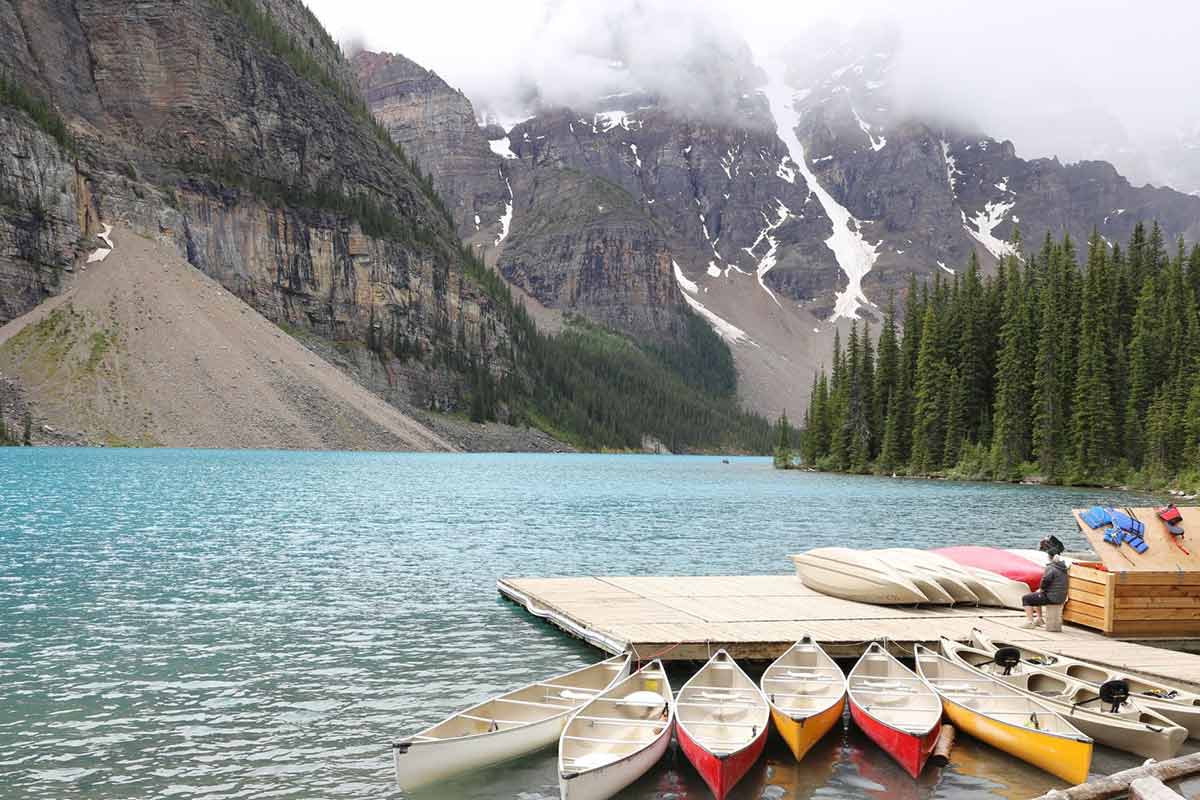
To the west, Banff National Park and Jasper National Park attract millions of visitors every year. These UNESCO World Heritage Sites are home to turquoise glacial lakes like Lake Louise and Moraine Lake, dramatic waterfalls, alpine meadows, and abundant wildlife. The scenic Icefields Parkway — a highway connecting Banff and Jasper — is often called one of the most beautiful drives in the world.
In central and southern Alberta, the landscape shifts to rolling plains and fertile farmland. Head east and you’ll reach the Badlands near Drumheller, where dinosaur fossils, hoodoos, and the Royal Tyrrell Museum reveal Alberta’s prehistoric past.
Northern Alberta offers a different kind of beauty — vast boreal forests, shimmering lakes, and the occasional chance to witness the Northern Lights dancing across the sky.
Simply put, Alberta’s nature tells a story of contrasts: wild yet welcoming, grand yet accessible — a reflection of Canada’s incredible diversity.
2. Cities of Alberta: Calgary and Edmonton
While Alberta’s natural beauty draws many visitors, its cities are just as defining. Calgary and Edmonton, the province’s two largest urban centres, each bring their own character and rhythm to Alberta life.
Calgary
Calgary, often nicknamed “Cowtown,” combines a strong western identity with modern energy and innovation. It’s home to the world-famous Calgary Stampede, skyscrapers that rise beside the Bow River, and a culinary and tech scene that continues to grow rapidly. Despite its size, Calgary maintains a friendly, community-focused vibe and serves as a gateway to the Rocky Mountains.
Edmonton
Edmonton, Alberta’s capital city, is known as “Canada’s Festival City.” It hosts year-round celebrations like the Edmonton International Fringe Theatre Festival, Heritage Festival, and K-Days. Edmonton also boasts one of the largest urban park systems in North America — the North Saskatchewan River Valley — offering endless space for biking, walking, and relaxation.
Both cities reflect Alberta’s balance between progress and pride in its roots. They’re hubs for art, education, sports, and technology — but never far from nature.
3. Culture, Heritage, and the Spirit of the West
What sets Alberta apart culturally is its strong sense of western heritage and independence. It’s a province that embraces the cowboy ethos — not just as a symbol, but as a living part of its identity.
The Calgary Stampede, held every July, is the ultimate expression of that spirit. Billed as “The Greatest Outdoor Show on Earth,” it celebrates Alberta’s ranching and agricultural traditions through rodeos, parades, music, and community events.
Beyond the cowboy culture, Alberta is also deeply shaped by Indigenous traditions and histories. The province is home to diverse First Nations, Métis, and Inuit communities whose cultures continue to enrich Alberta’s identity today. Sites like Head-Smashed-In Buffalo Jump (a UNESCO World Heritage Site) stand as powerful reminders of the deep connection between people and the land long before colonization.
Modern Alberta culture is a blend — western, Indigenous, immigrant, and urban influences all coming together to create something uniquely Albertan. Whether it’s art galleries in Edmonton, cultural festivals in Calgary, or community rodeos in small prairie towns, Alberta’s culture is alive, proud, and welcoming.
4. Food, Drink, and Local Flavours
When Canadians think of Alberta food, one word usually comes to mind: beef. Alberta’s ranching history has made it famous for producing some of the best beef in the world — and you’ll find it showcased in everything from high-end steak houses to backyard barbecues.
But Alberta’s food scene doesn’t stop there. In recent years, local chefs and restaurateurs have embraced farm-to-table dining, highlighting local produce, grains, honey, and craft ingredients. Calgary and Edmonton have both earned reputations as culinary destinations, offering international cuisine alongside proudly Albertan dishes.Alberta’s growing craft beer and distillery scene has also taken off. Breweries in Red Deer, Canmore, and Edmonton are making their mark with innovative beers and spirits, often using local ingredients. Pair that with a glass of Alberta-made whisky or gin, and you’ve got a taste of the province’s evolving palate.
5. Outdoor Adventures and National Parks
If you love the outdoors, Alberta is your dream playground.
In the Rocky Mountains, adventure awaits in every season. Summer brings hiking, camping, kayaking, and cycling, while winter transforms Banff, Lake Louise, and Jasper into world-class skiing and snowboarding destinations.
Don’t miss:
- Banff National Park – Canada’s first national park and one of its most famous.
- Jasper National Park – the largest park in the Rockies, home to glaciers and wildlife.
- Waterton Lakes National Park – a UNESCO site that meets Montana’s Glacier National Park.
- Kananaskis Country – a local favourite for hiking and backcountry adventures.
- Dinosaur Provincial Park – where you can literally walk among fossil beds millions of years old.
Even if you’re based in the city, nature is never far away. Locals in Calgary and Edmonton often spend weekends hiking in Kananaskis or skiing in the Rockies. It’s a lifestyle that perfectly blends work, family, and wilderness.
6. Festivals, Arts, and Alberta’s Lifestyle
Alberta knows how to celebrate — and it does so all year long.
The Calgary Stampede – the province’s biggest annual event. For ten days each July, Calgary bursts into life with rodeos, concerts, parades, and pancake breakfasts, drawing crowds from across the globe to revel in Western heritage and hospitality.
Edmonton Fringe Theatre Festival – North America’s largest and oldest fringe festival. It transforms the city into a vibrant stage for bold performances, street acts, and immersive experiences that celebrate artistic freedom and innovation.
Jasper Dark Sky Festival – celebrating stargazing under pristine mountain skies. Set in one of the world’s largest accessible dark sky preserves, this festival blends science, storytelling, and awe-inspiring views of the cosmos.
Canmore Folk Music Festival, Banff Mountain Film Festival, and countless local rodeos, fairs, and winter markets keep Alberta’s communities vibrant. Whether it’s toe-tapping tunes in the Rockies or heart-pounding bull rides in small towns, there’s always something to experience.
Art also thrives here. From the Art Gallery of Alberta in Edmonton to Calgary’s Studio Bell, home of the National Music Centre, creativity is part of the provincial DNA. Alberta artists draw inspiration from their environment — the prairies, the Rockies, and the human stories in between.
The result? A province that celebrates both its roots and its future with unmistakable Canadian flair.
Embrace the magic of Banff this weekend! Dive into our guide to the Top 15 Things to Do in Banff and turn your mountain escape into an unforgettable adventure.

Alberta’s Economy and What Drives It
Alberta has long been known as Canada’s energy powerhouse. The province’s oil and natural gas industry, centred around Fort McMurray and the Athabasca oil sands, plays a vital role in the national economy.
But Alberta is far more than oil. Agriculture, technology, renewable energy, film production, and tourism are growing rapidly. Ranching and farming remain strong pillars — Alberta’s beef, wheat, and canola are known around the world.
Another key factor that sets Alberta apart is its high standard of living. With no provincial sales tax and a strong job market, Albertans enjoy some of the highest median incomes in Canada. Cities are clean, infrastructure is well-developed, and the entrepreneurial spirit runs deep.
While the province’s economy continues to evolve, its reputation as a place of opportunity and innovation remains unchanged.
Travel Tips and Seasonal Highlights
Alberta offers something special every season:
Summer (June–August): Warm and sunny — perfect for hiking, festivals, and exploring the Rockies. Book early for Banff and Jasper.
Fall (September–October): Crisp air, golden larches, and fewer crowds. Great for scenic drives and photography.
Winter (November–March): World-class skiing, snowboarding, ice walks, and cozy mountain towns. Try Banff’s hot springs or Lake Louise’s frozen beauty.
Spring (April–May): Wildflowers, wildlife watching, and the return of festival season.
Getting around is easy by car, and many Canadians include Alberta in cross-country or road trip itineraries — connecting Calgary or Edmonton to British Columbia, Saskatchewan, or even the U.S. border.
‘Wanna Try Road Trip? This is just the start of your journey—explore our full collection of Canadian road trip guides and uncover unforgettable routes coast to coast. Plan your next adventure today!

FAQs About Alberta
Here are some commonly asked questions about Alberta:
Conclusion
Alberta is known for its grandeur, grit, and generosity — a province that reflects the essence of Canada’s adventurous spirit. From the world-famous Rockies to the prairies, from bustling cities to peaceful mountain lakes, Alberta’s beauty and character leave a lasting impression.
It’s a land of contrasts — wild yet welcoming, proud yet humble, rich in history yet always looking forward. Whether you’re visiting for the first time or calling it home, Alberta reminds you what makes Canada truly special.